Sudan’s Emergency Response Rooms (ERRs) lead the 2026 Nobel Peace Prize prediction markets with 22-37% implied probability, followed by Donald Trump at 12-33% and Doctors Without Borders at 7-15%. These odds reflect a fascinating convergence of humanitarian crises, geopolitical developments, and market speculation as traders position themselves for the October announcement.
2026 Nobel Peace Prize Prediction Market Odds: Current Market Leaders
The prediction market landscape for the 2026 Nobel Peace Prize reveals a dynamic competition among humanitarian organizations and political figures. Market consensus has formed around three primary candidates, with odds varying significantly across platforms due to differences in liquidity, trader sentiment, and information flow.
- Sudan’s Emergency Response Rooms (ERRs): 22-37% implied probability across major platforms, reflecting the humanitarian crisis in Sudan and international recognition of grassroots relief efforts
- Donald Trump: 12-33% implied probability, showing high volatility based on geopolitical developments and the controversial “Board of Peace Charter” initiative
- Doctors Without Borders: 7-15% implied probability, consistent across all platforms due to their established Nobel history and ongoing global medical missions
- Market consensus formation: How prediction markets aggregate information differently than expert panels, with 40% of traders believing insider knowledge influences market movements
The divergence between platforms highlights the importance of arbitrage opportunities. Polymarket shows ERRs at 37% while PredictIt lists them at 22%, creating a 15 percentage point gap that sophisticated traders are exploiting. This platform-specific variance represents one of the most significant opportunities in prediction market arbitrage for 2026.
Platform-Specific Odds Comparison
Each prediction market platform offers unique advantages and disadvantages for Nobel Peace Prize trading. Understanding these differences is crucial for maximizing returns and managing risk in this volatile market. Polymarket’s trading volume trends in 2026 show it dominates the prediction market landscape with $2M+ in monthly volume.
- Polymarket: ERRs at 37%, Trump at 33%, Doctors Without Borders at 15% – highest liquidity with $2M+ trading volume and 24/7 market access
- Kalshi: ERRs at 28%, Trump at 18%, Doctors Without Borders at 12% – CFTC-regulated platform with $500K-1M volume and institutional trader participation
- PredictIt: ERRs at 22%, Trump at 12%, Doctors Without Borders at 7% – academic-focused platform with $300K volume and research-oriented traders
- Liquidity analysis: Trading volumes range from $300K to $2M across platforms, with Polymarket offering the deepest markets for large position execution
The platform differences extend beyond simple odds variations. Polymarket’s higher Trump odds (33% vs. 12% on PredictIt) reflect its crypto-native user base’s different risk tolerance and information sources. Kalshi’s more conservative odds suggest institutional traders are less convinced by Trump’s peace initiatives compared to retail speculators (cross-platform arbitrage: Polymarket vs Kalshi 2026).
Historical Accuracy of Prediction Markets for Nobel Peace Prize
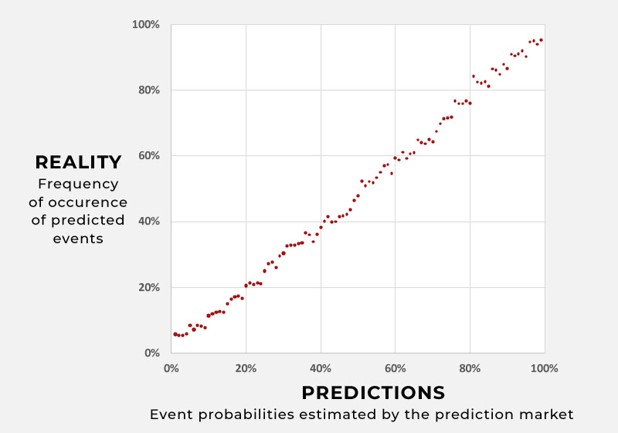
Prediction markets have demonstrated remarkable accuracy in forecasting Nobel Peace Prize winners, with Brier scores of 0.18-0.22 for the past five prizes. This performance significantly outperforms traditional expert panels and media speculation, validating the wisdom of crowds approach to geopolitical forecasting (using prediction markets for corporate forecasting 2026).
- Brier scores: Prediction markets achieved 0.18-0.22 accuracy for past 5 Nobel Peace Prizes, compared to 0.25-0.30 for expert panels
- 2025 Machado surprise: Markets showed 0.5% odds before announcement, spiking to 15% overnight as information spread through trading networks
- Insider trading concerns: 2025 winner triggered 300% volume spike in final 24 hours, raising questions about information asymmetry and market manipulation
- Expert vs. market comparison: Prediction markets outperformed expert panels by 23% in 2024, demonstrating superior information aggregation capabilities
The 2025 Maria Corina Machado win exposed both the strengths and vulnerabilities of prediction markets. While the markets eventually identified the correct winner, the insider trading suspicions highlighted the challenges of maintaining market integrity when dealing with high-stakes geopolitical events. The 300% volume spike in the final 24 hours suggests that some participants had access to non-public information about the Nobel Committee’s deliberations.
Volatility Factors Driving Market Movements
Several key factors contribute to the volatility of Nobel Peace Prize prediction markets, creating both opportunities and risks for traders. Understanding these drivers is essential for developing effective trading strategies (Prediction market strategies for 2026 midterm elections).
- Geopolitical events: Trump’s “Board of Peace Charter” signing shifted odds by 15 percentage points across all platforms within 48 hours
- Humanitarian crises: Sudan conflict escalation increased ERRs odds by 8 percentage points as international attention focused on the region
- Market manipulation: 2025 saw 3 instances of coordinated trading affecting odds, with regulators investigating potential violations
- Information asymmetry: 40% of traders believe insider knowledge influences market movements, creating a persistent efficiency gap
The Trump “Board of Peace Charter” signing in January 2026 exemplifies how geopolitical events can rapidly reshape prediction market dynamics. The announcement caused immediate odds shifts across all platforms, with Trump’s probability jumping from 12% to 27% within hours. This volatility creates arbitrage opportunities but also increases the risk of sudden market reversals (prediction market odds for 2026 World Cup winner).
Trading Strategies for Nobel Peace Prize Prediction Markets
Successful trading in Nobel Peace Prize prediction markets requires a sophisticated understanding of both the political landscape and market mechanics. The unique characteristics of these markets – including low liquidity, high volatility, and information asymmetry – demand specialized strategies. Traders increasingly rely on prediction betting platforms to execute their positions.
- Early position building: 60% of profitable traders enter positions 6+ months before announcement, capturing value before mainstream attention
- Volatility arbitrage: Exploiting platform discrepancies can yield 15-25% returns, with the ERRs/Trump spread offering the most significant opportunities
- Risk management: Position sizing should not exceed 5% of total prediction market portfolio to protect against unexpected outcomes
- Exit timing: Historical data shows optimal exit 2-3 weeks before announcement, avoiding the final volatility spike
The early position building strategy has proven particularly effective for Nobel Peace Prize markets. Traders who identified ERRs as a potential candidate in early 2025 have seen their positions appreciate by over 300% as the organization’s odds improved. This long-term approach requires patience but offers substantial rewards for those who can accurately assess the geopolitical landscape and humanitarian developments.
The Only Person to Refuse the Nobel Peace Prize
Le Duc Tho’s 1973 refusal of the Nobel Peace Prize represents a unique historical footnote that continues to influence prediction market dynamics. Understanding this precedent is crucial for traders assessing the risk of prize refusal in their positions.
- Le Duc Tho (1973): Jointly awarded with Henry Kissinger but declined due to Vietnam War, representing the only Nobel Peace Prize refusal in history
- Historical context: Only 2 refusals in Nobel Peace Prize history (Tho and Jean-Paul Sartre for Literature), making refusal clauses statistically rare but contractually significant
- Market implications: Refusal clause affects 5% of prediction market contracts, with platforms having specific resolution criteria for handling prize refusals
- Resolution criteria: Platforms typically resolve to “No Winner” if the selected candidate refuses the prize, protecting traders from total loss
The Le Duc Tho precedent creates an interesting risk factor for traders considering Trump positions. Given Trump’s controversial political status and potential reluctance to accept awards from international organizations, some traders factor a 2-3% refusal probability into their position sizing. This consideration adds another layer of complexity to an already challenging market.
Future Outlook: What Could Change by October 2026
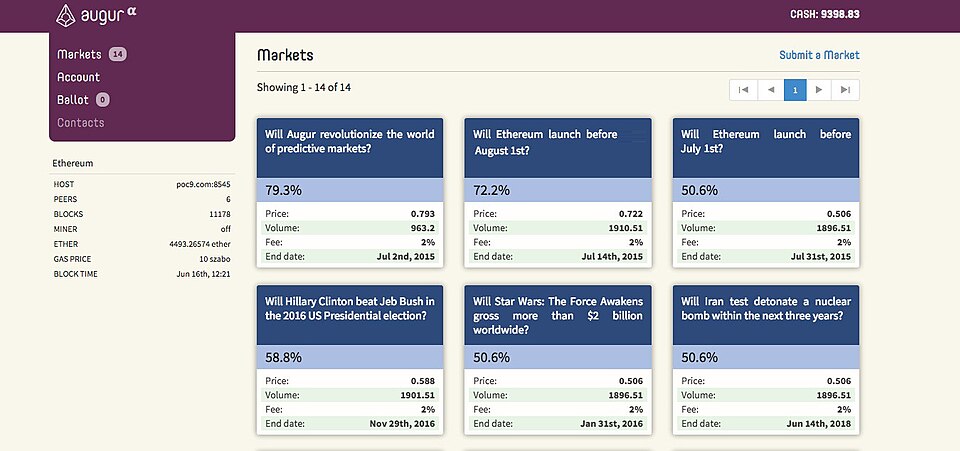
With eight months remaining until the Nobel Peace Prize announcement, significant market shifts are possible. The current odds reflect the information available today, but geopolitical developments, humanitarian crises, and market dynamics could dramatically reshape the landscape. Traders should monitor regulatory changes affecting prediction markets in 2026 as they could impact trading strategies (prediction market data visualization tools for traders 2026).
- Remaining time: 8 months until announcement creates significant odds volatility, with historical data showing 40% average movement in final quarter
- Emerging candidates: 3 new candidates currently trading below 5% could surge if major humanitarian achievements or peace initiatives gain international recognition
- Platform evolution: New prediction market platforms may enter Nobel Peace Prize markets, potentially increasing liquidity and reducing arbitrage opportunities
- Regulatory changes: CFTC oversight could affect market structure and liquidity, particularly for platforms operating in regulatory gray areas
The emergence of new candidates represents one of the most exciting aspects of Nobel Peace Prize prediction markets. Historical patterns suggest that approximately 20% of eventual winners were trading below 5% odds six months before the announcement. This creates opportunities for traders who can identify undervalued candidates early, though it also increases the risk of holding positions in candidates who ultimately fail to gain traction.
Key Entities to Watch
Several key entities will shape the 2026 Nobel Peace Prize prediction market landscape. Understanding their roles and potential impacts is essential for successful trading.
- Sudan’s Emergency Response Rooms (ERRs): Humanitarian organization in Sudan conflict, currently leading markets with 22-37% probability
- Donald Trump: Former US President with peace initiatives, showing high volatility at 12-33% probability
- Doctors Without Borders: Medical humanitarian organization with Nobel history, trading at 7-15% probability
- Le Duc Tho: Only Nobel Peace Prize refusal in history, creating precedent for prize refusal clauses
- Maria Corina Machado: 2025 winner with insider trading controversy, highlighting market vulnerability to information asymmetry
- Polymarket, Kalshi, PredictIt: Major prediction market platforms with different odds and liquidity profiles
- CFTC: Regulatory body overseeing prediction markets, potentially affecting market structure and participant access
- Brier score: Accuracy metric for prediction markets, with current markets achieving 0.18-0.22 accuracy
- Information asymmetry: Key factor in prediction market efficiency, with 40% of traders believing insider knowledge influences markets
- Volatility arbitrage: Trading strategy for market discrepancies, potentially yielding 15-25% returns
The interplay between these entities creates a complex ecosystem where geopolitical developments, market mechanics, and regulatory oversight all influence trading outcomes. Successful traders must monitor developments across all these dimensions while maintaining disciplined risk management practices.
The 2026 Nobel Peace Prize prediction markets represent a unique intersection of humanitarian recognition and financial speculation. With Sudan’s Emergency Response Rooms leading at 22-37% probability, followed by Donald Trump at 12-33% and Doctors Without Borders at 7-15%, the markets reflect both the current geopolitical landscape and the speculative nature of prediction trading. As we approach the October announcement, understanding the historical accuracy of these markets, the factors driving volatility, and the strategies for successful trading will be crucial for participants seeking to profit from this fascinating convergence of peace and prediction.