
Climate change temperature markets have surged to $25 billion+ as trading volumes skyrocketed 260% in 2023-2024, with outstanding contracts up 48% year-over-year as of May 2024. This explosive growth reflects how corporations and speculators alike are betting on warming trends, with Heating Degree Days (HDD) and Cooling Degree Days (CDD) contracts dominating the landscape. The market now serves as both a risk management tool and a speculative playground, where $7.5 million in payouts from warm winter conditions in 2024 demonstrate the real financial stakes at play.
The 1.5°C Question: How Climate Targets Reshape Temperature Markets
The 1.5°C warming target is becoming increasingly unlikely, fundamentally altering probability curves for temperature contracts and reshaping how traders value climate derivatives. As climate thresholds shift, pricing implications ripple through the market, connecting climate science directly to derivative valuations. This scientific uncertainty creates both risk and opportunity, as traders must now price in scenarios where the 1.5°C target becomes a historical footnote rather than a policy benchmark.
How Temperature Futures Work: The Mechanics Behind Climate Trading
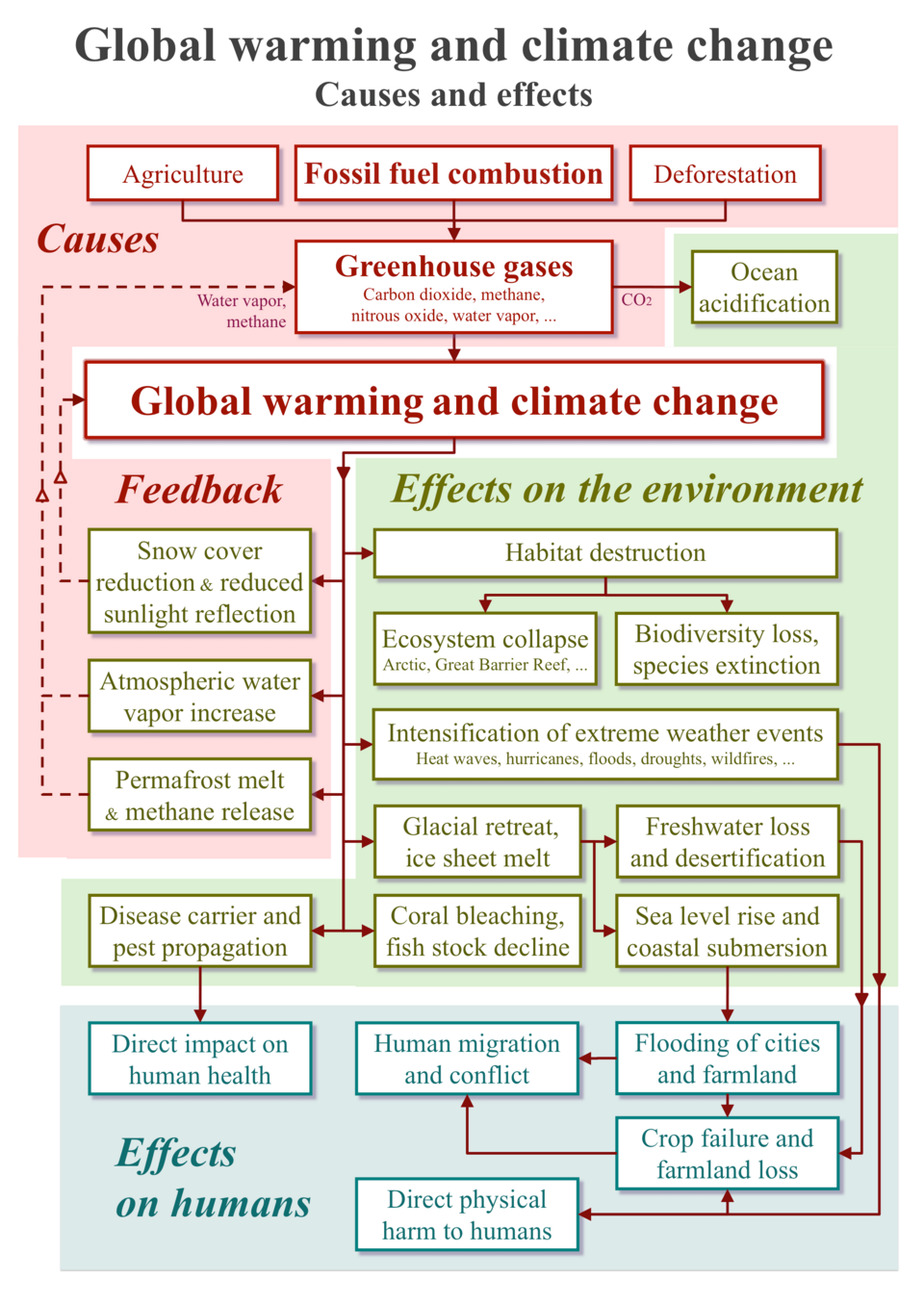
Temperature futures operate through Heating Degree Days (HDD) and Cooling Degree Days (CDD) indexes that track deviations from 65°F/18°C, creating standardized contracts that settle based on actual temperature measurements versus strike levels. A Chicago O’Hare June-August 2024 contract with a 550 CDD strike level exemplifies the mechanics, where $20 per CDD tick size determines settlement payouts. These contracts transform abstract climate data into tradable assets, allowing both hedgers and speculators to profit from temperature volatility.
Settlement Mechanics and Contract Specifications
Settlement occurs when actual HDD/CDD measurements are compared against strike levels, with payouts calculated at $20 per CDD tick or equivalent HDD values. The Chicago O’Hare example shows how a 550 CDD strike level translates to specific financial outcomes based on seasonal temperature deviations. This standardized approach allows for transparent pricing and efficient risk transfer between counterparties seeking either protection or profit from climate variability.
Corporate Hedging: Why Energy Giants Bet $15M on Winter Temperatures

Energy utilities and corporations are using temperature futures to manage “volumetric risk” from extreme temperatures, with Star Group LP’s $15 million maximum payout for 2025 contracts demonstrating the scale of corporate hedging activity. The $7.5 million paid out for warm winter conditions in 2024 shows how these contracts provide real financial protection when climate deviates from expectations. Agriculture, tourism, and home services sectors increasingly rely on temperature derivatives to hedge against unseasonal weather that could devastate their bottom lines (interest rate hike odds kalshi).
Energy Sector Risk Management Strategies
Energy utilities face unique challenges when extreme temperatures disrupt electricity demand and supply patterns, making temperature futures essential tools for managing volumetric risk. Companies like Star Group LP hedge against warm winters that reduce heating demand, protecting revenue streams when climate conditions don’t align with business models. This risk transfer mechanism allows energy companies to stabilize earnings despite increasing climate volatility, with contracts structured to provide payouts when temperatures move against their operational interests (python library for polymarket).
Will 2025 Be Hotter or Colder Than 2024? The Critical Trading Signal
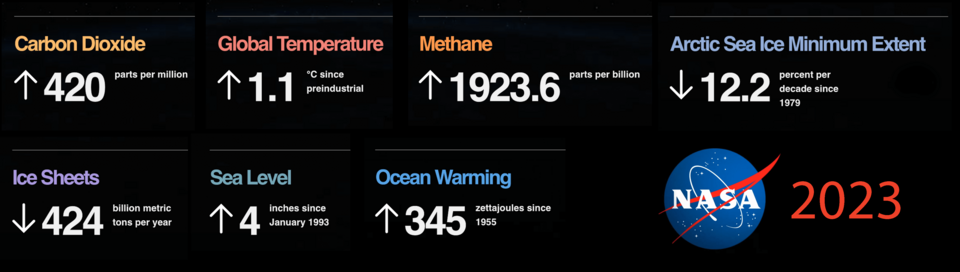
2025 has only a 3.4% chance of surpassing 2024’s record warmth per NOAA data, creating a critical trading signal for temperature derivative markets as traders position for year-over-year comparisons. Despite lower probability of extreme warmth, volatility remains high, maintaining demand for hedging and speculative opportunities. This probability assessment directly impacts pricing strategies, as traders must balance the likelihood of record warmth against the continued premium for climate uncertainty (polymarket clob api documentation).
Trading Strategies for 2025 Climate Markets
Traders are positioning for 2025 by focusing on volatility premiums rather than directional bets, given the 3.4% probability of surpassing 2024’s warmth according to NOAA. The near-record temperatures maintain high hedging demand, creating opportunities for those who understand the relationship between probability assessments and derivative pricing. This strategic approach recognizes that while extreme warmth may be unlikely, the market still prices in significant uncertainty about temperature trajectories (kalshi exchange api keys).
Market Structure: CME Group’s Global Expansion of Climate Contracts

CME Group dominates the climate derivatives market with expanded global coverage, adding new territories including Paris, Essen, Burbank, Houston, Philadelphia, and Boston to meet growing demand. Hedge funds, insurance companies, and specialized climate risk firms serve as counterparties, creating a diverse ecosystem of traders with different motivations. India market examples like Himachal Pradesh (INR 684,693) for cold and Gujarat (INR 262,986) for heat demonstrate how temperature derivatives adapt to regional climate patterns and economic needs.
Global Market Participants and Counterparties
The climate derivatives market attracts a diverse range of participants, from hedge funds seeking speculative opportunities to insurance companies managing portfolio risks and specialized climate risk firms providing expertise. CME Group’s expansion into new territories reflects growing global demand for temperature risk transfer mechanisms, with contracts tailored to local climate patterns and economic activities. This institutional participation provides liquidity and price discovery, essential components for any functioning derivatives market.
The Future of Climate Markets: Prediction Markets Meet Temperature Derivatives

Prediction markets are emerging as powerful tools for organizing climate science, with the Colorado Law Review proposing their use for generating widely credible evaluations of climate outcomes. Government agencies at federal and state levels are exploring prediction markets to resolve high-profile climate controversies and inform policy decisions. Temperature futures can forecast electricity consumption patterns, creating opportunities for traders who understand the intersection of climate data and energy markets — prediction market.
Government and Policy Applications
Federal and state governments are increasingly using prediction markets to address climate controversies, from allocating resources to evaluating policy effectiveness. The Colorado Law Review’s proposal suggests prediction markets could provide more accurate climate forecasts than traditional models by aggregating diverse expert opinions. This government adoption creates new demand for temperature derivatives while potentially improving the quality of climate data that underpins these markets (ethereum etf approval odds).
Electricity Consumption Forecasting
Temperature futures offer unique insights into electricity consumption patterns, as Duke University research demonstrates how weather futures can forecast energy demand more accurately than traditional meteorological models. This forecasting capability creates arbitrage opportunities for traders who can identify discrepancies between weather predictions and actual temperature outcomes. The connection between temperature derivatives and energy markets represents a growing frontier for climate trading strategies (polymarket subgraph data).
Emerging Opportunities in Climate Volatility
Climate volatility creates new trading strategies as renewable energy expansion drives demand for volume risk management. The $510GW renewable capacity expansion creates opportunities for traders who understand how weather patterns affect energy production and consumption. As climate uncertainty increases, temperature derivatives become more valuable, creating a virtuous cycle where market growth attracts more sophisticated participants and improves price discovery.
Regulatory Evolution and Market Growth
SEC climate disclosure rules, effective March 6, 2024, require companies to quantify weather and climate risks in financial statements, accelerating adoption of climate derivatives for compliance purposes. This regulatory push creates new demand from corporations seeking to hedge climate risks while meeting disclosure requirements. The “3.0” climate risk management approach goes beyond traditional insurance, complementing it for frequent, non-catastrophic events that temperature derivatives handle more efficiently (tradingview charts for polymarket).
Market Innovation and Product Development
The climate derivatives market continues to innovate with new products tailored to specific industries and geographic regions. CME Group’s expansion into new territories reflects growing demand for localized climate risk transfer solutions. As the market matures, we can expect more sophisticated products that combine temperature derivatives with other climate-related risks, creating comprehensive risk management solutions for corporations and investment opportunities for traders.
Risk Management Beyond Traditional Insurance
Temperature derivatives represent the “3.0” evolution in climate risk management, moving beyond traditional insurance to address frequent, non-catastrophic events that traditional policies exclude. This approach complements existing insurance coverage while providing more flexible and cost-effective solutions for managing climate variability. The market’s growth reflects increasing recognition that climate risk requires specialized financial instruments rather than relying solely on traditional insurance products.
The Path Forward for Climate Traders
As climate markets continue to evolve, successful traders will need to combine meteorological expertise with financial acumen, understanding both the science of climate change and the mechanics of derivative pricing. The intersection of prediction markets and temperature derivatives creates unique opportunities for those who can navigate both domains effectively. With $25 billion in market size and 260% growth rates, climate trading represents a frontier where data-driven analysis and market intuition can generate significant returns.