The S&P 500 year-end 2026 prediction market presents a fascinating divergence: while technical analysts flag 7,000 as a critical “death zone” for rallies, prediction markets on Polymarket and Kalshi are pricing in a 22% probability for the 7,000-7,500 range. This disconnect between futures market resistance and crowd sentiment creates unique opportunities for traders who understand both perspectives.
Prediction Markets vs Technical Analysis: The 7,000 Divergence
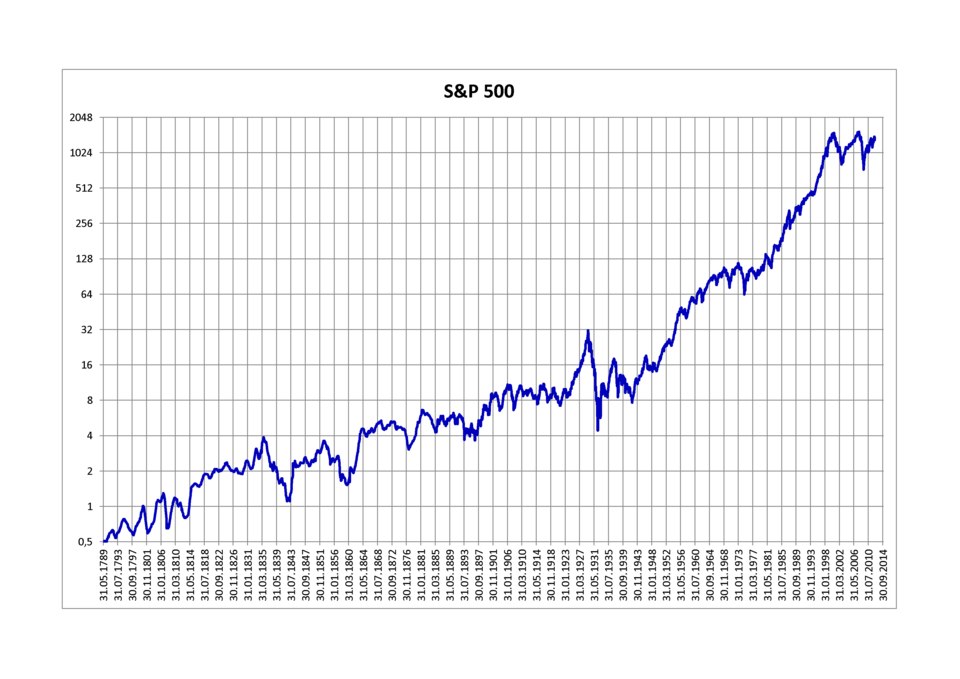
Prediction markets on Polymarket show a 22% probability for the S&P 500 ending 2026 between 7,000-7,500, while technical analysts flag 7,000 as a critical “death zone” for rallies.
This fundamental tension between crowd wisdom and technical resistance defines the 2026 market landscape. The divergence suggests traders must prepare for dramatically different outcomes, with prediction markets potentially underpricing near-term volatility concerns that technical indicators highlight.
Real-Time Odds from Polymarket and Kalshi
Kalshi’s S&P 500 year-end market shows the 7,400-7,599.99 range as most probable, while Polymarket’s multiple price bands indicate 7,000-7,500 at 22% probability.
Prediction market data reveals a clear consensus around the 7,000-7,600 range, with slight variations between platforms. Kalshi’s real-time odds show 7,400-7,599.99 as the most likely outcome, while Polymarket’s broader probability distribution places 7,000-7,500 at 22% probability. This crowd-sourced wisdom captures collective expectations that differ from traditional technical analysis.
Technical Indicators Flagging Resistance
Equal-weighted S&P 500 (RSP) is outperforming cap-weighted by the widest margin since the 1990s, with 7,000 acting as a critical resistance level where rallies historically fail.
Technical analysis presents a more cautious view, with the equal-weighted S&P 500 (RSP) outperforming cap-weighted indices by the widest margin since the 1990s. This broadening market participation suggests a rotation away from mega-cap dominance, but the 7,000 level remains a critical resistance point where historical rallies have consistently failed. The Hindenburg Omen triggered six times in February 2026, adding to technical concerns about market stability (prediction market odds for US recession 2026).
Wall Street Forecasts vs Crowd Wisdom: The 7,968 Target
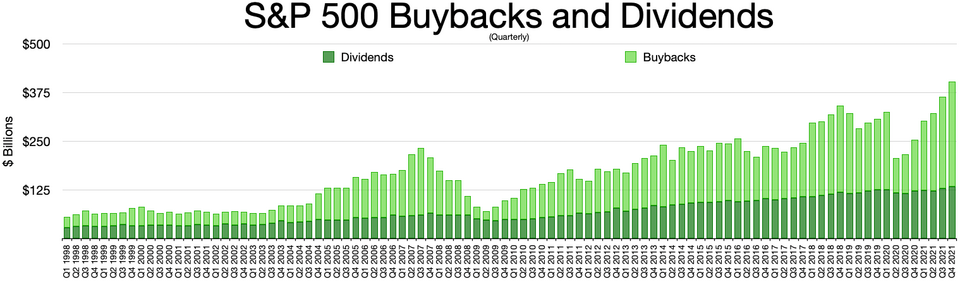
FactSet’s analysis combining analyst price targets implies the S&P 500 could reach 7,968 by year-end 2026, significantly above prediction market consensus.
Traditional Wall Street analysts project significantly higher targets than prediction markets, with FactSet’s methodology combining individual analyst price targets to arrive at 7,968 by year-end 2026. This 12% average return forecast relies on continued earnings growth and resilient consumer demand, assumptions that may not fully account for near-term volatility concerns captured by prediction markets (prediction market tennessine price contracts).
Analyst Methodology and Assumptions
Wall Street analysts base their 7,968 target on projected 12% average returns, continued earnings growth, and resilient consumer demand through 2026.
Analyst forecasts typically rely on fundamental analysis, projecting earnings growth based on historical trends and economic indicators. The 7,968 target assumes continued corporate profitability, moderate inflation, and stable interest rates. This methodology tends to smooth out short-term volatility, potentially missing the market’s immediate risk concerns that prediction markets capture more effectively (Bitcoin halving impact prediction markets).
Prediction Market Crowd Psychology
Prediction market participants may be pricing in more near-term uncertainty, reflected in their lower consensus target around 7,200-7,500.
Prediction markets excel at capturing collective sentiment about immediate risks and opportunities. The lower consensus target of 7,200-7,500 suggests participants are factoring in potential headwinds like tariff-related inflation, labor market softening, and geopolitical tensions. This crowd psychology may provide a more realistic short-term outlook than traditional analyst models that extend over longer timeframes (how to bet on 2028 US election odds in prediction markets).
Scenario Analysis: Bullish vs Bearish 2026 Outcomes
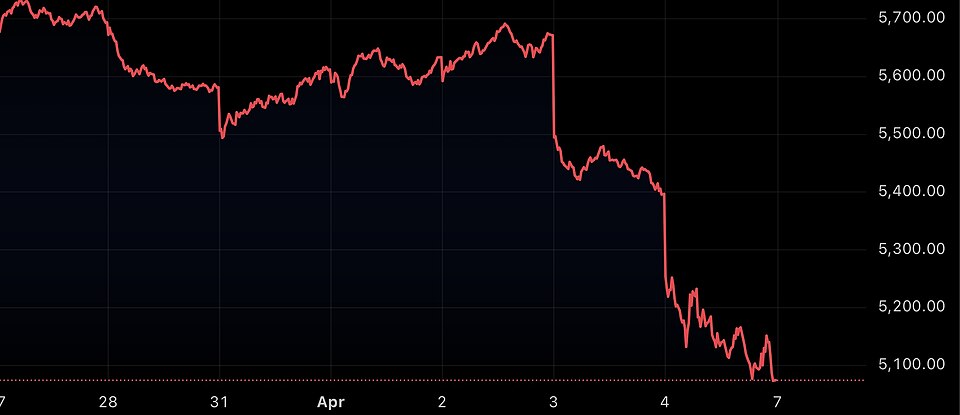
The divergence between prediction markets and technical analysis creates distinct scenarios: bullish AI-led capex driving 7,500-8,000, or bearish stagflation pushing under 5,000.
Traders must prepare for dramatically different market environments based on this divergence. The wide range of possible outcomes—from AI-driven growth to stagflationary collapse—demands flexible strategies that can adapt to either scenario materializing.
Bullish Scenario: AI Monetization and Rate Cuts
AI-led capital expenditure and projected 14-16% EPS growth could drive the S&P 500 to 7,500-8,000, especially if the Federal Reserve implements two more rate cuts in H2 2026.
The bullish case centers on AI monetization shifting from infrastructure investment to tangible earnings. With projected 14-16% EPS growth and potential Federal Reserve rate cuts in the second half of 2026, the market could break through technical resistance at 7,000. This scenario would validate higher prediction market targets and challenge traditional technical analysis assumptions (Ethereum ETF approval odds prediction market).
Bearish Scenario: Stagflation and Multiple Contraction
Persistent inflation from tariffs, weakening labor markets, and stagflation could push the S&P 500 under 5,000, with prediction markets potentially underpricing this tail risk.
The bearish scenario involves stagflationary pressures overwhelming market fundamentals. Tariff-related inflation, combined with weakening labor markets and multiple contraction, could drive the S&P 500 below 5,000. This outcome would validate technical resistance at 7,000 while exposing prediction markets’ potential blind spots regarding tail risks and systemic economic deterioration.
Strategic Implications for Traders
Understanding the divergence between prediction markets and technical analysis allows traders to position for both scenarios, potentially using arbitrage between futures and event contracts.
The key insight for traders is that prediction markets and technical analysis aren’t mutually exclusive—they capture different aspects of market psychology and risk assessment. This divergence creates opportunities for sophisticated positioning strategies (prediction market oganesson price futures markets).
Arbitrage Opportunities Between Markets
Traders can exploit pricing differences between futures markets (pricing 7,000 resistance) and prediction markets (pricing 7,200-7,500 consensus) through relative value strategies.
Price discrepancies between futures markets and prediction markets create arbitrage opportunities for traders with access to both venues. While futures markets price in technical resistance at 7,000, prediction markets suggest a higher consensus around 7,200-7,500. This divergence allows for relative value strategies that profit from convergence or divergence between these pricing mechanisms (prediction market livermorium price prediction markets).
Hedging Strategies for Uncertainty
Given the wide range of possible outcomes, traders should consider options strategies or diversified positions that benefit from both breakout and breakdown scenarios.
The uncertainty inherent in the 7,000 divergence demands flexible hedging strategies. Options strategies like straddles or iron condors can profit from volatility regardless of direction, while diversified positions across multiple scenarios provide protection against unexpected market movements. This approach acknowledges that both technical resistance and prediction market consensus may have merit depending on which scenario materializes.
The S&P 500 year-end 2026 prediction market reveals a critical divergence between technical analysis and crowd sentiment that creates both risks and opportunities for traders. While technical indicators flag 7,000 as a critical resistance level where historical rallies have failed, prediction markets on Polymarket and Kalshi suggest a higher probability for the 7,000-7,500 range. This disconnect—between futures market resistance and prediction market optimism—demands that traders prepare for dramatically different outcomes. Whether AI-led growth drives the index to 7,500-8,000 or stagflation pushes it under 5,000, understanding this divergence provides a strategic edge in positioning for 2026’s uncertain market environment.