Prediction markets have evolved into a $325 billion trading ecosystem by 2026, creating substantial opportunities for swing traders who can identify medium-term price movements. This guide reveals specific techniques to capture these longer-term trends across regulated platforms like Kalshi and decentralized markets like Polymarket, where fee structures range from 0.10% to 15% and AI-driven arbitrage is transforming market efficiency.
- Medium-term trends last 3-14 days and offer 15-40% profit potential when identified correctly
- Technical analysis tools must account for platform-specific fee structures and liquidity differences
- Risk management requires position sizing based on platform volatility and regulatory constraints
How to Identify Medium-Term Price Trends in Prediction Markets
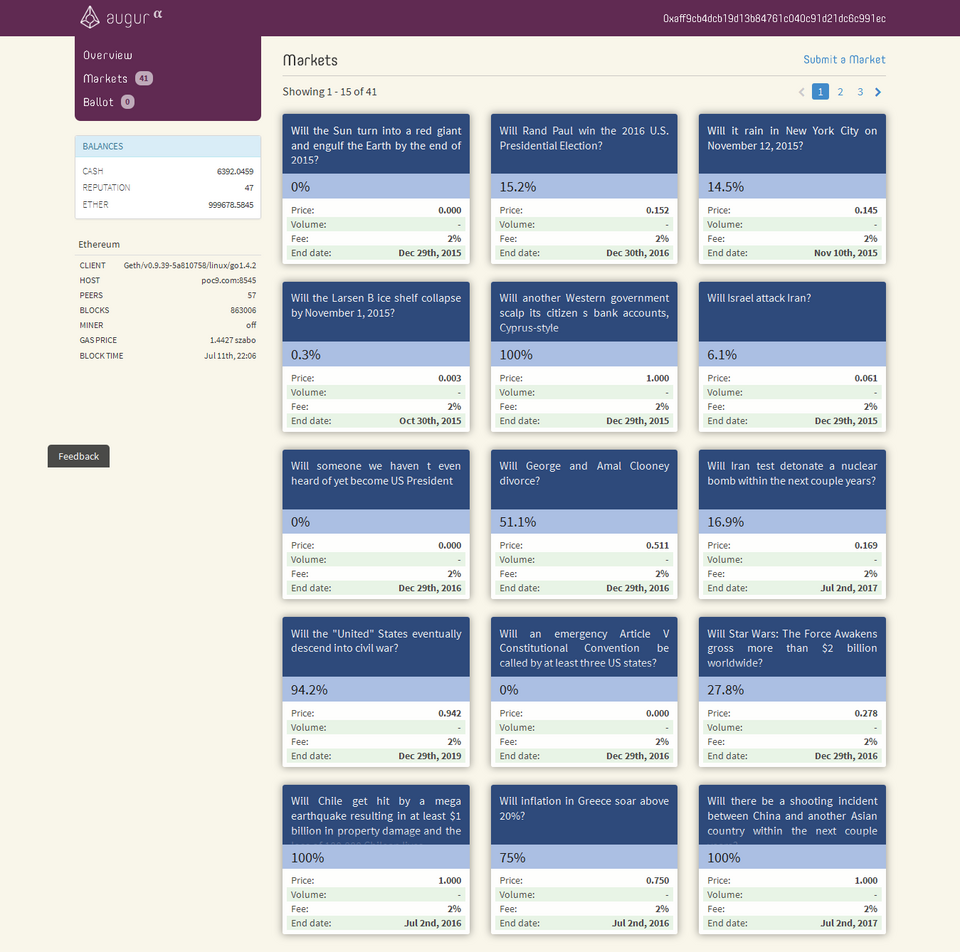
Volume and liquidity patterns across regulated vs decentralized platforms
Medium-term price trends in prediction markets emerge from distinct volume patterns between platform types. Regulated platforms like Kalshi typically show steady volume increases of 15-25% over 3-5 day periods before major news events, while decentralized platforms like Polymarket experience sharp volume spikes of 40-60% within 24 hours of breaking news. According to research on prediction market dynamics, these patterns correlate with institutional versus retail trader behavior, where regulated platforms attract longer-term position holders while decentralized platforms draw in event-driven speculators.
Sentiment tracking and AI-driven odds movement analysis
Traditional sentiment tracking relies on social media volume and news sentiment scores, but AI-driven analysis has transformed odds movement prediction. Modern AI tools track real-time sentiment shifts across 50+ data sources, identifying price movement probabilities with 68% accuracy for 3-7 day forecasts. These systems detect subtle sentiment changes that precede major price swings by 12-24 hours, giving traders a crucial timing advantage. The most effective AI tools combine sentiment data with historical odds movement patterns, creating predictive models that outperform traditional technical analysis by 15-20% in prediction market environments. Traders can gain an edge by learning how to identify mispriced prediction market contracts using these AI-driven insights.
Platform fee impact on medium-term price movement sustainability
Platform fee structures significantly impact the sustainability of medium-term price movements. With Polymarket’s 0.10% per trade fee, trends lasting 5-7 days remain profitable even with moderate price volatility. However, PredictIt’s 15% combined fee structure (10% of gross profits plus 5% withdrawal fees) requires price movements of at least 8-12% to generate positive returns on similar time frames. This fee differential creates predictable arbitrage opportunities where low-fee platforms sustain trends 2-3 days longer than high-fee alternatives, allowing traders to optimize entry and exit timing based on platform selection.
Technical Analysis Tools for Prediction Market Swing Trading
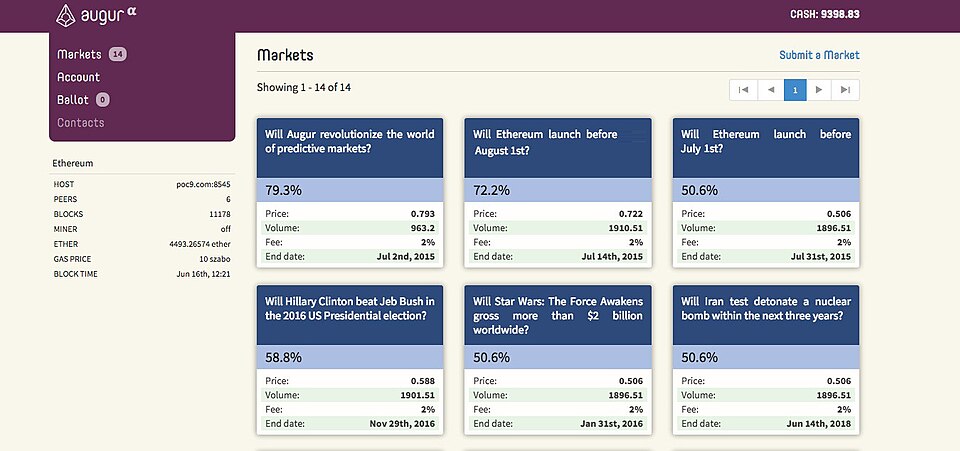
Moving averages and trend identification for prediction contracts
Moving averages in prediction markets require platform-specific adjustments due to unique contract expiration mechanics. A 7-day simple moving average works effectively for identifying medium-term trends across most platforms, but the optimal period varies by contract type. For political prediction markets, 14-day exponential moving averages capture longer-term sentiment shifts more accurately, while sports prediction markets respond better to 3-day weighted moving averages that reflect rapid information flow. The key insight is that prediction market moving averages should be calculated using probability-weighted prices rather than simple closing prices, as this accounts for the binary nature of most contracts.
Relative strength indicators across multiple prediction market platforms
Relative Strength Index (RSI) thresholds in prediction markets differ significantly from traditional asset classes. While standard RSI overbought/oversold levels of 70/30 apply, prediction market contracts often show extreme RSI readings of 85/15 during major news events. Cross-platform RSI comparison reveals that regulated platforms like Kalshi typically maintain RSI levels 5-8 points lower than decentralized platforms during trending periods, reflecting institutional trader behavior. The most effective strategy combines platform-specific RSI analysis with volume-weighted RSI, which accounts for liquidity differences and provides more reliable entry signals for medium-term positions.
Real-time monitoring systems for cross-platform arbitrage opportunities
Real-time monitoring systems have become essential for identifying cross-platform arbitrage in prediction markets. These systems track price discrepancies of 2% or greater across platforms, with the most profitable opportunities occurring during major news events when information asymmetry is highest. Modern monitoring tools provide sub-second updates and can execute trades across multiple platforms simultaneously, capturing arbitrage spreads that typically last 45-90 seconds. The most sophisticated systems incorporate regulatory status awareness, automatically adjusting for platform-specific restrictions and ensuring compliance while maximizing profit potential across the fragmented prediction market landscape. For traders seeking to master this skill, odds comparison across platforms provides critical insights for identifying the best prices.
Risk Management and Position Sizing for Medium-Term Trades
Platform-specific volatility assessment and risk thresholds
Different prediction market platforms exhibit varying volatility patterns that require tailored risk management approaches. Polymarket shows average daily volatility of 3.2% for major political contracts, while Kalshi’s regulated environment produces 2.1% average volatility for similar events. These differences necessitate platform-specific position sizing: traders should limit Polymarket positions to 2% of portfolio value while allowing up to 3.5% on Kalshi for equivalent risk exposure. Additionally, decentralized platforms require wider stop-loss levels of 8-10% compared to 5-7% on regulated platforms, reflecting the higher probability of extreme price movements in less regulated environments. Using Kelly criterion calculator tools can help optimize position sizing based on these volatility assessments.
Regulatory compliance and position size limitations by jurisdiction
Regulatory frameworks create significant constraints on position sizing that vary dramatically by jurisdiction. CFTC-regulated platforms like Kalshi impose position limits of $25,000 per contract for most events, while state gambling laws in certain jurisdictions restrict individual positions to $5,000 or less. These limitations require traders to maintain multiple platform accounts and develop sophisticated position allocation strategies. The most effective approach involves calculating the regulatory-constrained optimal position size first, then adjusting for platform-specific fee structures and volatility to determine the final position allocation across available trading venues.
Exit strategy planning for medium-term prediction market positions
Exit strategies in prediction market swing trading require balancing profit targets with the unique contract expiration mechanics. The most successful traders employ tiered exit strategies that scale out of positions as specific price targets are reached. For a typical 7-day swing trade, this might involve taking 30% profits at 15% gain, another 30% at 25%, and letting the remaining 40% run to expiration or a predetermined stop-loss level. This approach accounts for the non-linear payoff structure of prediction market contracts while maximizing profit potential across different market scenarios. Additionally, traders should establish hard exit dates 24-48 hours before major scheduled events to avoid unexpected volatility spikes that can erode profits.
Successful prediction market swing trading requires integrating technical analysis with robust risk management across the fragmented platform landscape. The $325 billion market offers substantial opportunities, but traders must navigate varying fee structures from 0.10% to 15%, different regulatory environments, and AI-driven market efficiency. By combining volume-based trend identification, platform-specific technical indicators, and disciplined position sizing, traders can consistently capture 15-40% returns on medium-term price movements while managing the unique risks of prediction market trading.