
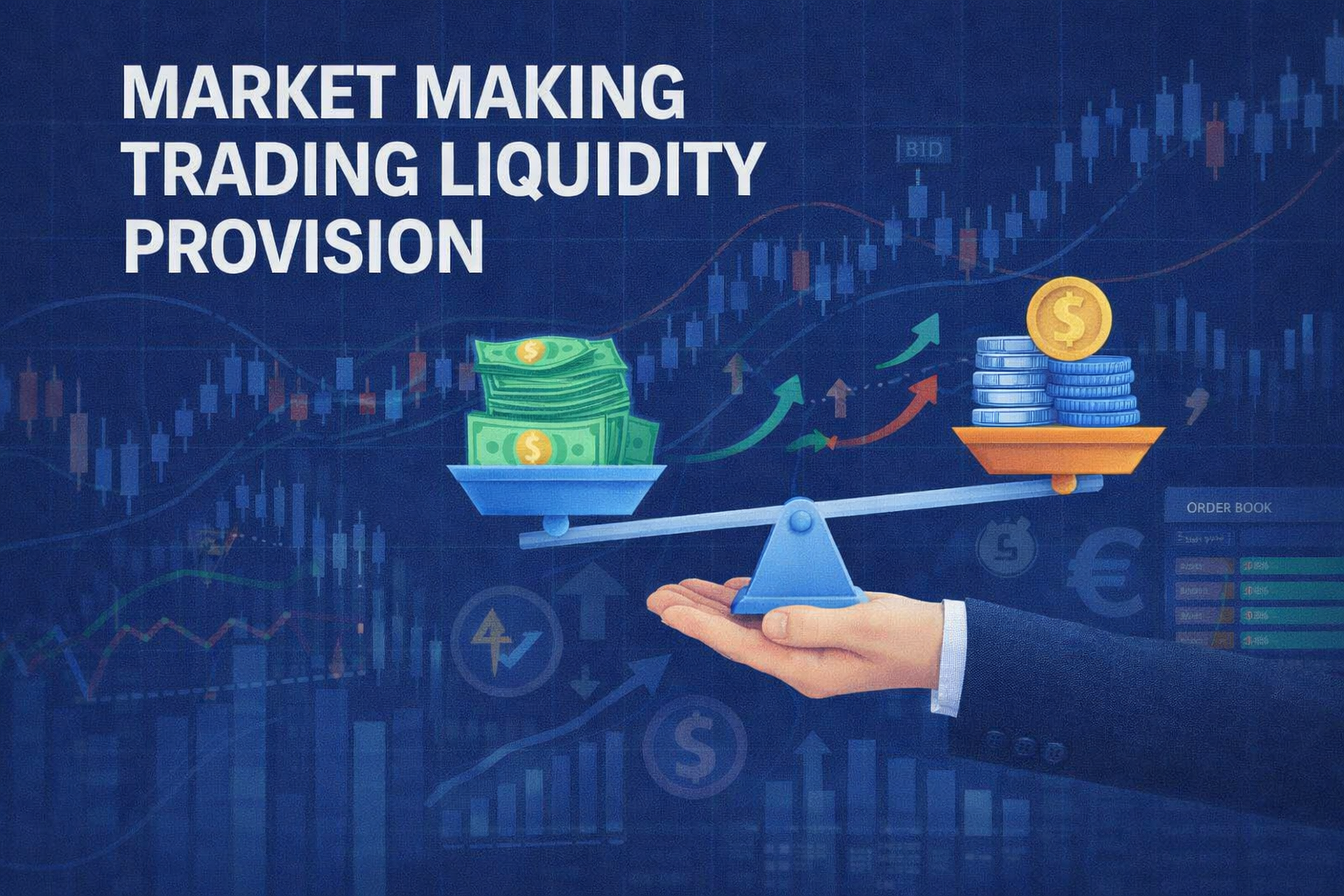
Prediction markets are increasingly utilized as sophisticated risk management tools, allowing traders to hedge against uncertain, real-world outcomes rather than just market volatility. According to a Wharton University study (2013), these markets efficiently handle the dynamic aggregation of dispersed information, making them valuable for hedging decisions. But how can you use them effectively, especially given today’s financial climate?
Facing Volatility? Prediction Market Hedging Strategies Offer a Solution
Prediction markets are increasingly used as risk management tools to hedge against real-world uncertainties. With the increasing volatility in financial markets due to events like Fed decisions and crypto pumps, hedging is becoming essential for traders looking to protect their investments. So, how can prediction markets help you navigate these turbulent times?
| Strategy | Benefit |
|---|---|
| Hedging as Insurance | Offsets financial losses if a negative outcome occurs. |
| Binary Contract Hedging | Precise, capped-risk hedging on specific events. |
Prediction markets, such as Polymarket and Kalshi, act as specialized derivatives exchanges where contracts pay out based on event outcomes. They allow traders to take positions on future events, effectively hedging against potential losses in other investments. This is particularly useful in today’s volatile market, where unexpected events can significantly impact portfolios. By using prediction markets, traders can offset potential financial losses, similar to how insurance works.
How Delta-Neutral Hedging Mitigates Drawdowns in Prediction Markets
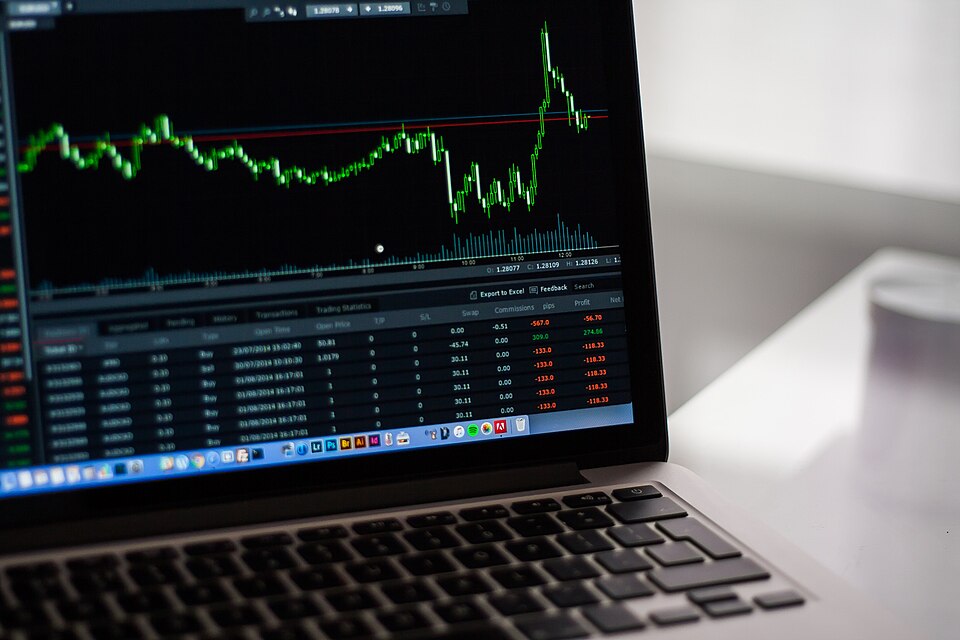
Delta-neutral hedging involves opening a short position on a prediction contract to offset potential losses in another asset. This strategy is particularly useful for mitigating temporary price drawdowns without closing long-term positions, allowing traders to maintain their positions while reducing risk. But how does this work in practice?
| Technique | How it Works |
|---|---|
| Delta-Neutral Hedging | Open an equal-sized short position on a prediction contract. |
| Example | Hedge crypto portfolio by shorting “No” contracts on rate cut. |
Delta-neutral hedging involves opening an equal-sized short position on a prediction contract to mitigate temporary price drawdowns. For example, a trader with a crypto portfolio anticipating a potential Fed rate hike could short “No” contracts on a rate cut market on Polymarket. If the Fed does hike rates, the crypto portfolio may decline, but the “No” contracts will likely increase in value, offsetting some of the losses. This strategy effectively locks in a USD value, reducing exposure to market volatility. It’s like having a safety net for your investments, protecting you from sudden drops. As FinOpsInfo.com reported on February 9, 2026, prediction contracts are one of the fastest-growing trading sectors, demonstrating the increasing interest in these hedging strategies.
Proxy Hedging: Using Correlated Assets When Prediction Markets Lack Liquidity
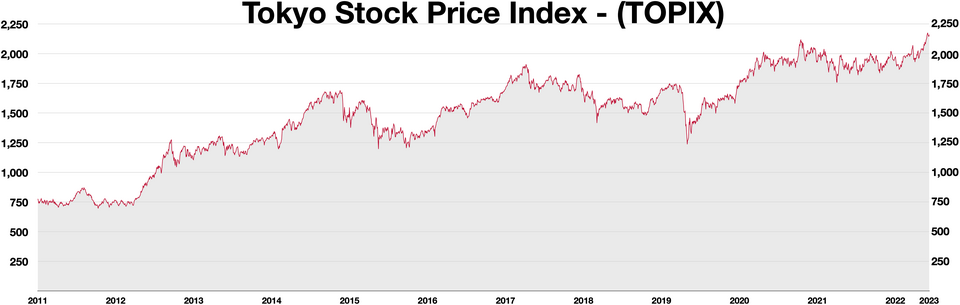
Proxy hedging involves using correlated assets to hedge when a specific prediction market lacks liquidity. This is particularly useful when direct hedging isn’t feasible due to low trading volumes or limited contract availability. But how do you identify and utilize correlated assets effectively?
| Strategy | Benefit |
|---|---|
| Proxy Hedging | Hedge when specific prediction market is illiquid. |
| Example | Use Solana/SOL as a proxy for ecosystem volatility. |
Proxy hedging involves using correlated assets to hedge when a specific prediction market is illiquid. For instance, if you’re looking to hedge against volatility in a new Solana-based prediction market but find the liquidity lacking, you could use Solana/SOL itself as a proxy. If the ecosystem faces a downturn, SOL’s price will likely reflect that, providing a hedge. Identifying correlated assets requires understanding the underlying dynamics of the market and the factors that influence asset prices. This approach allows traders to manage risk even when direct hedging options are limited. Always remember to monitor the correlation to ensure the proxy remains effective. According to CMC Markets, understanding these correlations is key to effective hedging strategies.
Stop-Loss Limits: Preventing Catastrophic Losses on Prediction Platforms
Setting stop-loss orders on prediction platforms is crucial for preventing significant financial losses. These automated orders automatically close your position if the price reaches a certain level, limiting your potential downside. But where do you start?
| Tool | Purpose |
|---|---|
| Stop-Loss Orders | Prevent catastrophic losses on prediction platforms. |
| Platform | Polymarket, Kalshi |
Implementing automated stop-loss orders on prediction platforms prevents catastrophic losses during sudden, unforeseen events. Platforms like Polymarket and Kalshi allow you to set stop-loss orders, ensuring that your positions are automatically closed if the market moves against you beyond a certain threshold. For example, if you have a long position on a contract and the price starts to fall rapidly, a stop-loss order will trigger a sale, limiting your losses. Setting appropriate stop-loss levels requires careful consideration of market volatility and your risk tolerance. It’s a critical tool for managing risk and protecting your capital. Remember, as Medium.com noted, effective risk management is vital to avoid pitfalls in prediction markets.
Portfolio-Neutral Setups: Hedging Fed Decisions with Crypto Pump Proxies in 2026
Portfolio-neutral setups involve using correlated events to hedge against potential losses, such as shorting “No” contracts on rate-cut markets during a Fed rate hike. This strategy aims to create a portfolio that is insensitive to specific market movements, providing a more stable return profile. But how can you set up these hedges effectively in today’s market?
| Event | Hedge |
|---|---|
| Fed Rate Hike | Short “No” contracts on rate-cut markets. |
| Solana Pump | Bet against correlated ecosystem volatility contracts. |
Portfolio-neutral setups involve using correlated events to hedge against potential losses. For example, a trader might layer Yes/No contracts on Fed pivot probabilities against crypto surge proxies, like hedging a Solana pump with ecosystem volatility bets. If the Fed announces a rate hike, a trader can short “No” contracts on rate-cut markets. Alternatively, if Solana experiences a pump, they can bet against correlated ecosystem volatility contracts. Setting up these hedges requires a deep understanding of market correlations and the ability to react quickly to changing conditions. This strategy offers superior risk-adjusted returns by balancing potential gains and losses across different assets. While many traders focus on direct event bets, correlated hedges can offer a more balanced approach. Consider that diversification across events reduces volatility, protecting against the “all-or-nothing” nature of single-event forecasting, per the University of Pennsylvania’s Wharton School (2013).
Practical Takeaways for Prediction Market Hedging

So, what are the key takeaways for implementing these hedging strategies in your own trading? Here’s a checklist to keep in mind:
- Understand the Basics: Ensure you have a solid understanding of how prediction markets work, including contract types, order book mechanics, and trading fees.
- Identify Correlated Assets: Look for assets that are correlated with the events you’re trading. This is crucial for proxy hedging.
- Set Stop-Loss Orders: Always set stop-loss orders to limit potential losses. This is a non-negotiable aspect of risk management.
- Monitor Liquidity: Before implementing any hedging strategy, assess the liquidity of the market. Thin markets can prevent you from exiting positions at a fair price.
- Diversify Your Bets: Spread your capital across multiple, uncorrelated events to reduce volatility.
- Stay Informed: Keep up-to-date with the latest news and developments that could impact your positions.
By following these practical takeaways, you can effectively use prediction market hedging strategies to manage risk and protect your investments. Remember, hedging is not about eliminating risk entirely, but about mitigating potential losses and creating a more stable portfolio. To dig deeper, consider reading about prediction market order book analysis to refine your trading strategies. You can also learn more about decentralized prediction markets 2026 to find the best platforms for your hedging needs. Interested in building your own prediction market? Check out our guide on prediction market smart contracts. Be aware of prediction market manipulation detection as you refine your trading strategies. Finally, stay informed about the risks and regulations surrounding insider trading in prediction markets. What are your thoughts on prediction market accuracy analysis and wisdom of crowds forecasting?