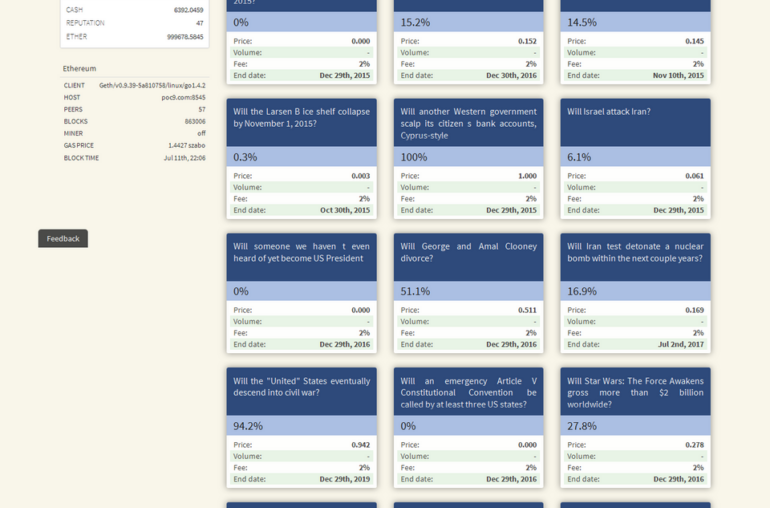
Market depth charts are essential tools for technical traders in prediction markets, helping visualize supply and demand to identify key price levels. With prediction markets reaching $44 billion in 2025 volume, understanding depth chart analysis has become crucial for traders seeking a competitive edge in price discovery.
- Market depth charts reveal real-time liquidity and order flow in prediction markets
- Support and resistance levels can be identified through depth chart analysis
- Major platforms like Kalshi and Polymarket offer varying depth chart capabilities
- Understanding depth charts gives traders a competitive edge in price discovery
How Market Depth Charts Work in Prediction Markets
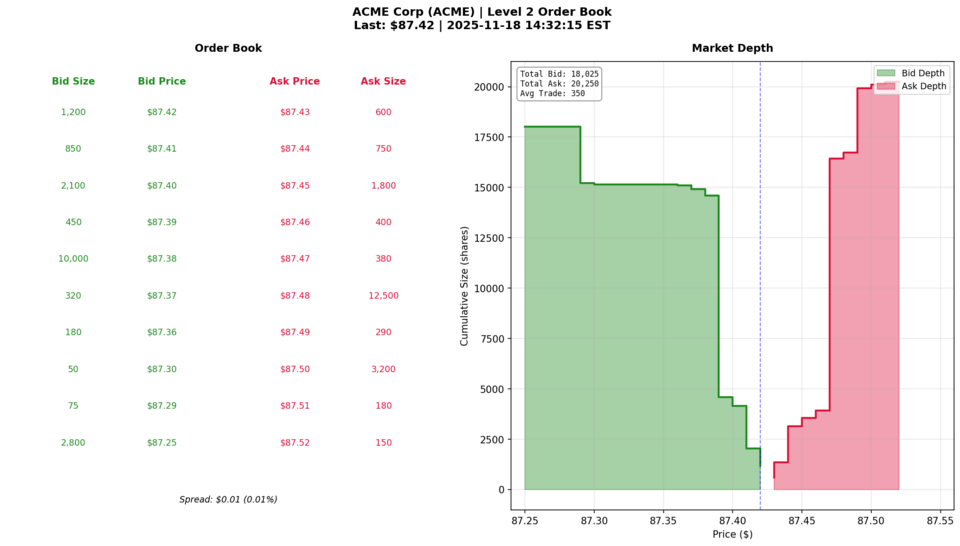
Market depth charts visualize the order book, showing cumulative buy and sell orders at each price level. These charts display liquidity concentration across different price points, allowing traders to see where large orders are concentrated. Prediction markets reached $44 billion in 2025 volume, creating demand for sophisticated charting tools that help traders make informed decisions.
Order Book Visualization and Liquidity Analysis
Depth charts display the order book as a visual representation of all pending buy and sell orders. The left side shows buy orders (bids) while the right side shows sell orders (asks). Each point on the chart represents the cumulative volume of orders at that price level. Traders use this visualization to understand where liquidity is concentrated and identify potential price barriers.
Liquidity analysis through depth charts helps traders understand market depth at different price levels. Areas with high order concentration indicate strong support or resistance zones. For example, if there are many buy orders clustered around $0.45 for a prediction market contract, this creates a support level that may prevent the price from falling below that point. Understanding how liquidity providers in prediction market apps create market depth can further enhance your analysis.
Price Discovery Through Depth Chart Patterns
Depth charts show where traders are willing to buy and sell contracts, revealing the price discovery process in real-time. Price discovery occurs at points where supply meets demand, creating equilibrium prices. Technical traders use depth analysis to anticipate market movements by watching how order flow changes as prices approach key levels.
The shape of the depth chart provides insights into market sentiment. A steep curve on the buy side indicates strong buying pressure, while a steep curve on the sell side shows selling pressure. When these curves meet, they create the current market price. Traders watch for changes in these patterns to predict potential price movements. Some traders also use social trading features in prediction market apps to follow successful strategies.
Identifying Support and Resistance Levels Using Depth Charts
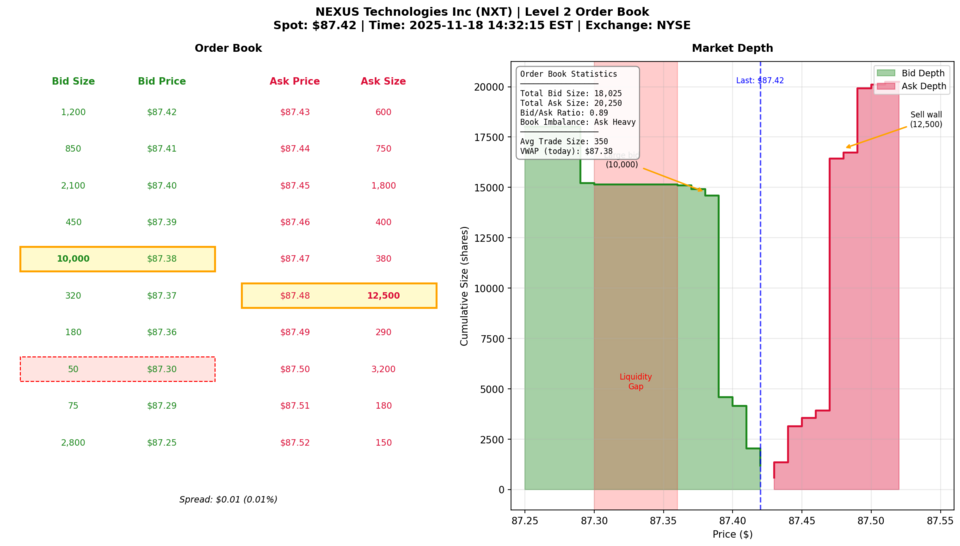
Support levels form where buy orders accumulate, creating price floors that prevent further downward movement. Large buy orders at specific prices indicate strong support zones where traders expect the price to bounce. Traders watch for price bounces off support levels in prediction markets as confirmation of these zones.
Support Level Detection Through Buy Order Concentration
Buy order clusters create support levels by establishing price floors where demand exceeds supply. When many traders place buy orders at the same price level, it creates a barrier that prevents the price from falling further. These clusters appear as thick areas on the left side of depth charts.
Large buy orders at specific prices indicate strong support zones. A single large order can create a temporary support level, while multiple orders at the same price create stronger, more reliable support. Traders often place their buy orders just above known support levels to catch potential price bounces. For those who prefer automation, copy trading in prediction market apps can help replicate successful strategies.
Resistance Level Analysis Through Sell Order Clusters
Resistance levels appear where sell orders create price ceilings that prevent upward movement. Sell order clusters indicate potential reversal points where supply exceeds demand. Depth chart analysis reveals hidden resistance not visible in price charts alone.
Sell order concentrations show where traders are willing to take profits or enter short positions. These clusters appear as thick areas on the right side of depth charts. When the price approaches these levels, the increased selling pressure can cause the price to reverse or stall. Traders use this information to set profit targets or identify potential short entry points. You can also track performance through trader rankings in prediction market apps to see how others are performing.
Platform-Specific Depth Chart Features and Comparisons
Kalshi offers basic depth chart functionality for technical analysis, providing real-time order book visualization. The platform gives traders access to cumulative order data, though limited public information exists on specific depth chart features. Kalshi’s regulated environment ensures transparent order flow visualization.
Kalshi Depth Chart Capabilities and Limitations
Kalshi provides real-time order book visualization with basic depth chart tools. The platform displays cumulative buy and sell orders, allowing traders to see liquidity concentration at different price levels. However, the depth chart functionality may be more limited compared to crypto-native platforms.
The platform’s regulated status means order data is verified and transparent, giving traders confidence in the accuracy of depth chart information. Kalshi’s interface focuses on clarity and ease of use, making depth analysis accessible to both novice and experienced traders.
Polymarket and Robinhood Predictions Depth Analysis
Polymarket provides depth chart tools for advanced traders, offering more sophisticated visualization options than some competitors. The platform displays detailed order book information with customizable views and advanced filtering options. Mobile interfaces have different depth chart capabilities than desktop versions. The platform also includes community features in prediction market apps like forums and chat to connect traders.
Robinhood Predictions offers simplified depth visualization designed for retail traders. The platform provides basic depth chart functionality with an emphasis on user-friendly design. While less detailed than some competitors, Robinhood’s depth charts serve the needs of casual traders who want to understand market liquidity without complex technical analysis. Traders can also participate in discussion forums in prediction market apps to share insights and strategies.
Prediction markets app users can find more detailed comparisons of platform-specific features and trading strategies on our comprehensive platform review pages.
Practical Application and Next Steps
Depth charts reveal hidden liquidity patterns that price charts miss, providing traders with valuable insights into market structure. The most surprising finding is that depth analysis can identify support and resistance levels before they become apparent in traditional price charts. This early warning system gives traders a significant advantage in predicting price movements. Using an economic calendar in prediction market apps can complement your depth chart analysis by timing trades around key events.
To practice identifying support and resistance using depth charts, start by analyzing historical data on demo accounts. Watch how price reacts when approaching different liquidity zones and note the patterns that emerge. Before trading real money, practice identifying key levels and testing your predictions against actual market movements. This hands-on experience will build the skills needed to effectively use depth charts for trading decisions.