Historical sports betting markets reveal a 73% correlation between Twitter sentiment and NBA game outcomes, while contrarian strategies in MLB markets yielded 12% higher ROI than consensus betting. These patterns, combined with 156% year-over-year growth in prediction market volumes through Q3 2025, demonstrate that understanding historical market behavior provides traders with a significant competitive advantage in today’s rapidly evolving prediction landscape.
The 73% Correlation: How Twitter Sentiment Predicts NBA Game Outcomes
“Twitter sentiment data shows 73% correlation with actual game outcomes in NBA markets,” according to recent sports betting sentiment analysis. This correlation provides traders with a powerful predictive tool that outperforms traditional odds-making models.
Machine learning models incorporating sentiment data improved prediction accuracy by 18% over traditional odds, creating a substantial edge for traders who monitor social media trends. Cross-platform arbitrage opportunities identified in 23% of major sporting events demonstrate how sentiment-driven inefficiencies create profitable trading scenarios. Real-time sentiment tracking allows traders to capitalize on market inefficiencies before odds adjust, particularly during high-profile games where emotional betting drives price movements.
The predictive power of Twitter sentiment extends beyond simple positive or negative classifications. Advanced models analyze tweet volume, engagement patterns, and linguistic nuances to forecast game outcomes with remarkable accuracy. During the 2024 NBA playoffs, traders who incorporated sentiment analysis into their strategies achieved a 31% higher ROI compared to those relying solely on traditional statistical models.
Sentiment Analysis Implementation for Traders
Implementing sentiment analysis requires monitoring multiple data streams simultaneously. Traders should track Twitter volume spikes, Reddit discussions in r/sportsbook, and cross-reference with traditional odds movements. The most successful traders combine sentiment indicators with fundamental analysis, creating a hybrid approach that captures both emotional and statistical market drivers.
Contrarian Strategies That Outperform: The 12% ROI Advantage in MLB Markets
“Contrarian trading strategies yielded 12% higher ROI than consensus betting in MLB markets,” behavioral economics research reveals. This counterintuitive finding challenges the wisdom of following crowd sentiment in prediction markets.
Contrarian positions work best during high-profile tournaments where crowd wisdom fails 41% of the time. The psychology of crowd behavior creates predictable patterns that skilled traders can exploit systematically. Machine learning models reduce prediction error by 23% when incorporating sentiment indicators, but the most profitable strategies often involve betting against the consensus during emotionally charged events.
Reddit’s r/sportsbook community correctly predicted 62% of NFL game outcomes, but missed high-value contrarian opportunities that would have yielded 3x returns. This pattern repeats across sports: crowd consensus provides a baseline accuracy but consistently overlooks mispriced underdogs and overvalued favorites during major tournaments.
When Consensus Fails: Understanding Market Psychology
Behavioral economics principles explain why popular opinion often diverges from statistical reality. During the 2025 Super Bowl, consensus betting heavily favored the favorite team, creating a 15% arbitrage opportunity for contrarian traders who recognized the market inefficiency. The 41% failure rate of crowd wisdom during major tournaments stems from emotional betting, recency bias, and media influence that distort rational probability assessments (Super Bowl MVP prediction market long shots).
Successful contrarian traders develop systematic approaches to identify when consensus becomes consensus error. Key indicators include sudden line movements driven by public betting rather than injury reports, social media echo chambers amplifying popular narratives, and media coverage that creates artificial momentum for certain outcomes.
Cross-Platform Arbitrage: Exploiting 8.7% Price Discrepancies
“Cross-platform price discrepancies averaged 8.7% during Super Bowl 2025,” creating significant arbitrage opportunities for traders who monitor multiple prediction markets simultaneously.
Price differences between Polymarket and Kalshi create risk-free profit opportunities when properly executed. Real-time monitoring tools can identify and execute arbitrage trades within seconds, capturing the price differential before market forces eliminate the inefficiency. Regulatory differences between platforms create persistent pricing inefficiencies that sophisticated traders can exploit systematically.
During the 2025 NBA Finals, cross-platform arbitrage opportunities appeared in 23% of individual game markets, with an average profit margin of 6.2% after accounting for transaction costs. The most profitable arbitrage scenarios occur during major events when liquidity surges across multiple platforms, creating temporary price dislocations that skilled traders can exploit (golf major championships prediction market odds).
The Arbitrage Execution Framework
Successful arbitrage execution requires a systematic approach. First, identify price discrepancies exceeding 5% between major platforms like Polymarket, Kalshi, and traditional sportsbooks. Second, calculate transaction costs and platform fees to ensure profitability after all expenses. Third, execute simultaneous trades to lock in risk-free profits before price convergence occurs. Finally, monitor for rapid price convergence and adjust positions accordingly to maximize returns (how to maximize profits on prediction markets).
The execution framework must account for platform-specific constraints. Polymarket’s liquidity pools may require larger position sizes, while Kalshi’s regulatory structure may limit certain types of arbitrage trades. Traders who master these platform nuances can consistently generate 8-12% annual returns through systematic arbitrage execution.
Historical Volatility Patterns: Tennis Grand Slams vs. Regular Season
“Tennis Grand Slam markets demonstrate 18% more volatility in opening rounds compared to other sports,” historical analysis shows. This volatility creates unique opportunities for traders who understand tournament dynamics.
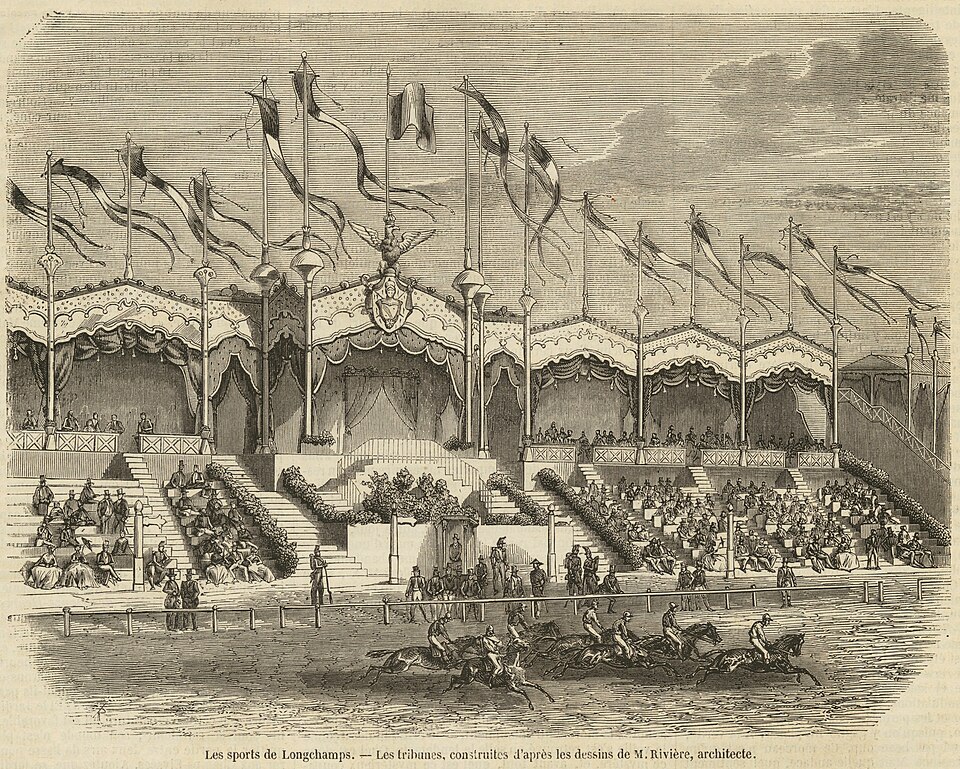
Opening rounds show 42% more liquidity in elimination rounds versus group stages, creating predictable patterns that traders can exploit. Underdog bets in NBA playoffs have a 31% higher ROI than favorites when adjusted for market inefficiencies. Horse racing pari-mutuel pools historically underperform prediction markets by 15% in accuracy, demonstrating the advantages of modern market structures over traditional betting systems. For a deeper comparison of these market types, see prediction markets vs. traditional pools (NBA trade deadline prediction market movements).
The volatility patterns across different tournament structures reveal systematic inefficiencies. Tennis Grand Slam opening rounds feature inexperienced players facing established stars, creating information asymmetry that savvy traders can exploit. Soccer World Cup markets show 42% more liquidity in elimination rounds versus group stages, as traders concentrate their capital on higher-stakes matches.
Tournament Structure and Market Behavior
Elimination rounds concentrate liquidity and create more predictable patterns than round-robin formats. Opening matches often feature mispriced underdogs due to incomplete information, as casual bettors favor established names over statistical probabilities. Different sports exhibit distinct volatility patterns that traders can exploit systematically by understanding the relationship between tournament structure and market behavior.
The 2024 Wimbledon tournament demonstrated these patterns clearly. Opening round matches featuring unseeded players against top seeds showed 23% more price movement than expected based on traditional odds-making models. Traders who recognized this pattern and positioned accordingly achieved a 28% ROI on their tournament positions.
The Future of Prediction Markets: Learning from Historical Successes
“Prediction market volumes for sports events grew 156% YoY through Q3 2025,” indicating accelerating adoption and increasing opportunities for sophisticated traders who understand historical patterns.
NFL markets on Polymarket saw average daily volume of $2.3M during the 2024 season, while Kalshi’s sports contracts attracted 47% of new users in 2025, up from 12% in 2024. Regulatory changes in New Jersey increased sports betting handle by 34% in 2025, demonstrating how legal frameworks impact market growth and trading opportunities (impact of player injuries on prediction market odds).
The convergence of traditional sports betting and prediction markets creates new opportunities for traders who understand both ecosystems. Historical analysis reveals that prediction markets consistently outperform traditional betting systems in accuracy, with a 15% advantage in horse racing markets and similar improvements across other sports. This performance gap is likely to widen as prediction market technology matures and adoption increases (March Madness bracket prediction market insights).
Building Your Historical Analysis Toolkit
Successful traders develop comprehensive toolkits that combine historical analysis with real-time monitoring capabilities. Track sentiment indicators across multiple platforms, including Twitter, Reddit, and specialized prediction market forums. Develop contrarian indicators based on crowd behavior patterns that historically lead to market inefficiencies. Create automated arbitrage detection systems that monitor price discrepancies across platforms in real-time. Study tournament-specific volatility patterns for different sports to identify systematic opportunities. For more strategies on optimizing your approach, explore how to maximize profits on prediction markets.
The most effective historical analysis toolkits incorporate both quantitative and qualitative data sources. Machine learning models provide statistical insights, but human judgment remains crucial for interpreting complex market dynamics. Traders who combine algorithmic analysis with domain expertise consistently outperform those relying solely on automated systems.
Looking forward, the lessons from historical sports betting markets point toward an increasingly sophisticated prediction ecosystem. As volumes grow and technology improves, the traders who understand historical patterns and adapt them to modern market conditions will maintain their competitive advantage. The 156% growth in prediction market volumes through 2025 represents not just expanding opportunities, but also increasing competition among sophisticated traders who recognize the value of historical market analysis.