The hydrogen market sits at a $500 billion crossroads in 2026. While global investment has surpassed $500 billion, only 4% of planned hydrogen projects have reached Final Investment Decision. This market failure creates a unique opportunity for prediction markets to provide the price discovery mechanism that could unlock stalled investments and create a liquid trading network by 2035.
Hydrogen Price Prediction Markets — The $500B Opportunity No One Is Trading
| Metric | Current Status | Prediction Market Potential |
|---|---|---|
| Global Investment | $500B+ by 2024 | Untapped |
| Project Completion | 4% FID rate | Price signal gap |
| Market Size | $12.31B (2025) | $231.32B (2035) |
| Key Barrier | No price discovery | Prediction markets solution |
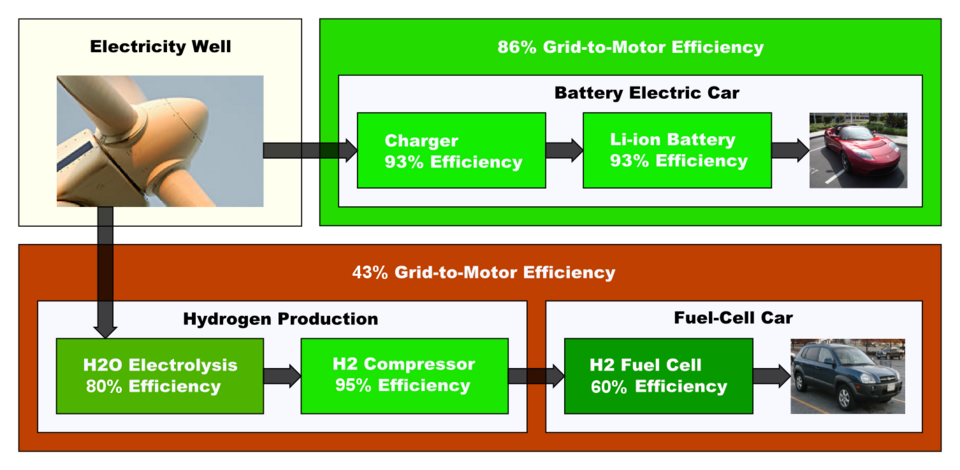
The hydrogen market’s fundamental problem isn’t technology or demand—it’s price discovery. With $500 billion invested but only 4% of projects reaching Final Investment Decision, the market lacks the price signals that would enable rational investment decisions. Prediction markets could provide real-time price discovery for hydrogen, creating the transparency needed to unlock this massive capital pool.
Why Green Hydrogen Costs $5-10/kg — The CAPEX and CO2 Transport Reality
| Cost Component | Percentage | Impact on Price |
|---|---|---|
| Renewable Electricity | 60-80% | Major driver |
| CAPEX Costs | 15-25% | Technology dependent |
| CO2 Transport | 5-10% | Blue hydrogen specific |
| Water Desalination | 2-5% | Arid region premium |
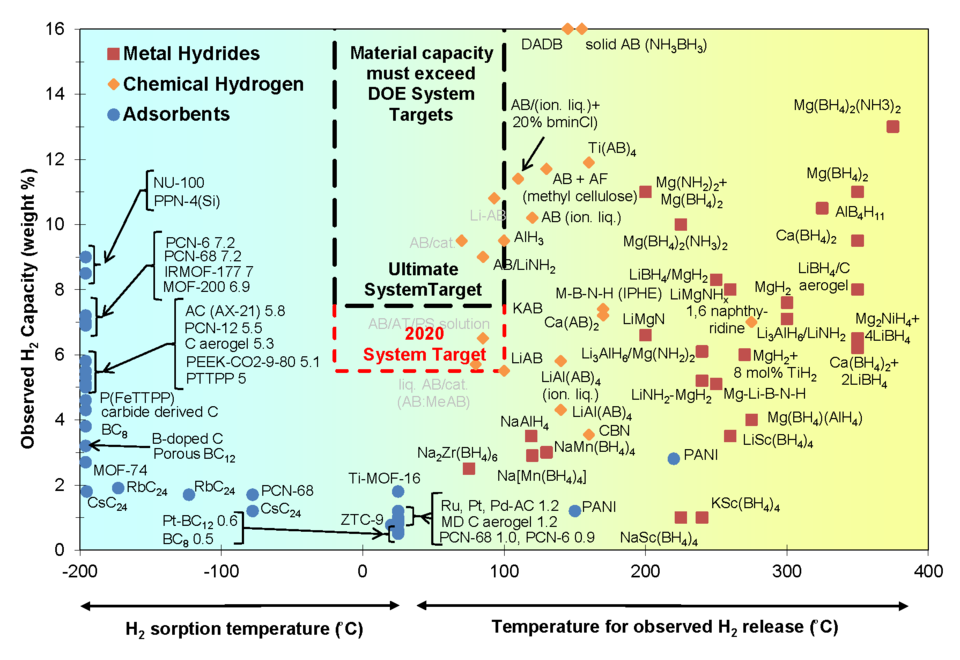
Green hydrogen’s $5-10/kg price tag stems primarily from renewable electricity costs, which account for 60-80% of production expenses. The remaining costs include capital expenditures for electrolyzers (15-25%), CO2 transport for blue hydrogen production (5-10%), and water desalination in arid regions (2-5%). This cost structure explains why green hydrogen remains uncompetitive with gray hydrogen at $1-2/kg, despite massive investment flows, while other energy commodities like natural gas liquids markets have established price discovery mechanisms (prediction market methane price contracts).
The Offtake Agreement Crisis — Why 96% of Hydrogen Projects Stall
| Barrier | Current Impact | Prediction Market Solution |
|---|---|---|
| Lack of Buyers | 96% project delays | Price discovery mechanism |
| Regulatory Uncertainty | 40% cost increase | Standardized contracts |
| Infrastructure Gaps | 60% operational delays | Risk transfer tools |
| Water Demand | 9L/kg requirement | Resource allocation signals |
The critical shortage of long-term offtake agreements causes 96% of hydrogen projects to stall before reaching Final Investment Decision. Without guaranteed buyers, developers cannot secure financing or commit to expensive infrastructure. Prediction markets could solve this market failure by providing price discovery mechanisms that reduce uncertainty for both producers and potential buyers, creating the confidence needed for long-term contracts (prediction market biodiesel price prediction markets).
How Prediction Markets Could Unlock the Hydrogen Investment Bubble
| Market Function | Current Gap | Prediction Market Role |
|---|---|---|
| Price Discovery | Non-existent | Real-time price signals |
| Risk Management | Limited options | Hedging contracts |
| Liquidity Provision | Fragmented | Centralized marketplace |
| Regulatory Compliance | Uncertain | CFTC oversight framework |
Prediction markets could provide the missing price discovery mechanism for hydrogen, offering real-time price signals, risk management tools, and liquidity that would unlock the $500 billion currently stalled in hydrogen infrastructure investments. By creating a centralized marketplace for hydrogen price predictions, these platforms could provide the transparency and risk transfer tools that traditional commodity markets lack for this emerging sector (prediction market butane price futures markets).
CFTC Regulatory Barriers — Why Hydrogen Price Markets Don’t Exist Yet
| Regulatory Issue | Current Status | Impact on Markets |
|---|---|---|
| CFTC Jurisdiction | Unclear | Market uncertainty |
| Energy Price Rules | Complex | Compliance costs |
| Contract Standardization | Non-existent | Market fragmentation |
| International Trading | Restricted | Limited liquidity |
CFTC regulatory uncertainty creates significant barriers to hydrogen price prediction markets, with unclear jurisdiction and complex energy price rules preventing the development of standardized trading contracts. The Commodity Futures Trading Commission’s oversight framework, designed for traditional energy commodities, doesn’t adequately address the unique characteristics of hydrogen as both an energy carrier and industrial feedstock (prediction market ethanol price futures markets).
The $1.50/kg Target — When Prediction Markets Become Essential
| Timeline | Projected Price | Market Impact |
|---|---|---|
| 2025 | $5-10/kg | Current barrier |
| 2027 | $3-4/kg | Growing adoption |
| 2030 | $1.50/kg | Parity achieved |
| 2035 | <$1/kg | Market maturity |
As green hydrogen costs are projected to reach $1.50/kg by 2030, prediction markets will become essential for price discovery and risk management as the technology approaches parity with gray hydrogen. This cost reduction timeline creates a window of opportunity for prediction markets to establish themselves as the primary price discovery mechanism before hydrogen becomes a mature commodity (prediction market ethane price prediction markets).
International Hydrogen Trading Network — The 2035 Vision
| Region | Current Share | 2035 Projection |
|---|---|---|
| Asia-Pacific | 36.1% | Dominant network |
| China | 69.6% | Market leader |
| Europe | 25% | Regulatory hub |
| North America | 20% | Technology leader |
By 2035, hydrogen will create a global trading network similar to today’s oil market, with Asia-Pacific dominance and China leading regional development of liquid forward and spot markets. This international trading network will require new business models, pricing contracts, regulations, standards, certificates, and policies to function effectively.
Prediction markets could play a crucial role in this emerging hydrogen economy by providing the price discovery and risk management tools needed to support international trade. As hydrogen transitions from a niche industrial gas to a global commodity, the need for transparent, liquid markets will become increasingly critical.
The convergence of massive investment, technological advancement, and regulatory evolution creates a perfect storm for prediction markets to establish themselves as the primary price discovery mechanism for hydrogen. With $500 billion in capital waiting for clarity and a clear path to cost parity by 2030, the stage is set for prediction markets to transform the hydrogen economy from hype to reality, similar to how ammonia price forecasting markets could benefit from similar mechanisms.