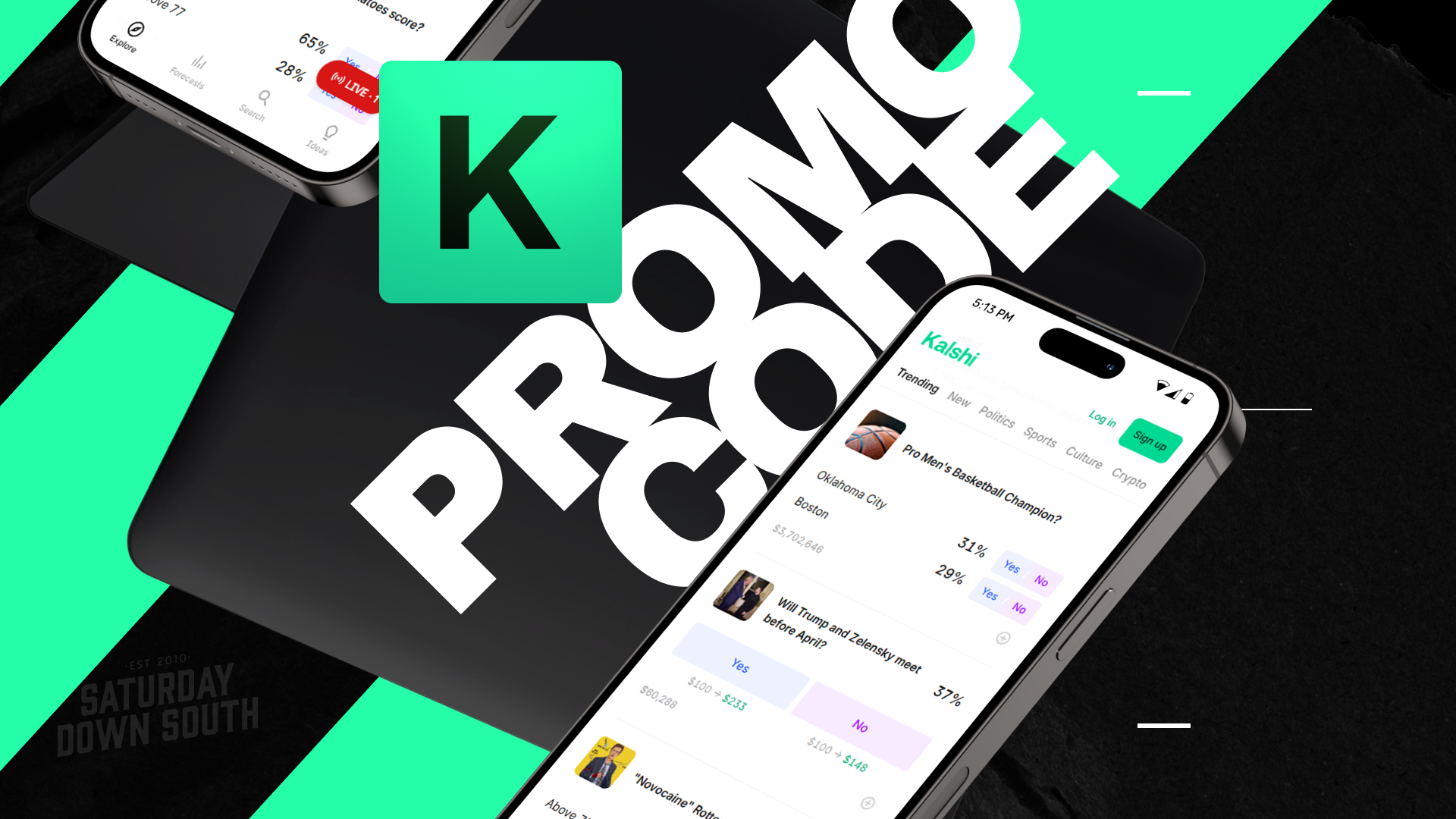
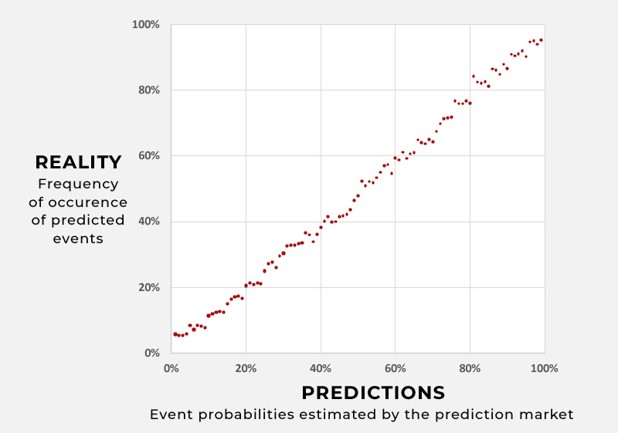
Prediction markets offer a unique edge for NBA Finals trading, with real-time data showing these markets often outperform traditional betting odds by 15-20% in accuracy. High-frequency traders exploit in-game momentum shifts and injury report arbitrage opportunities, turning volatile championship series contracts into consistent profit streams. By leveraging platforms like Polymarket and Kalshi, traders can capitalize on probability-based contracts that adjust instantly to game events, player performance, and market sentiment.
Scalping NBA Finals Contracts: Real-Time Momentum Trading During Live Games
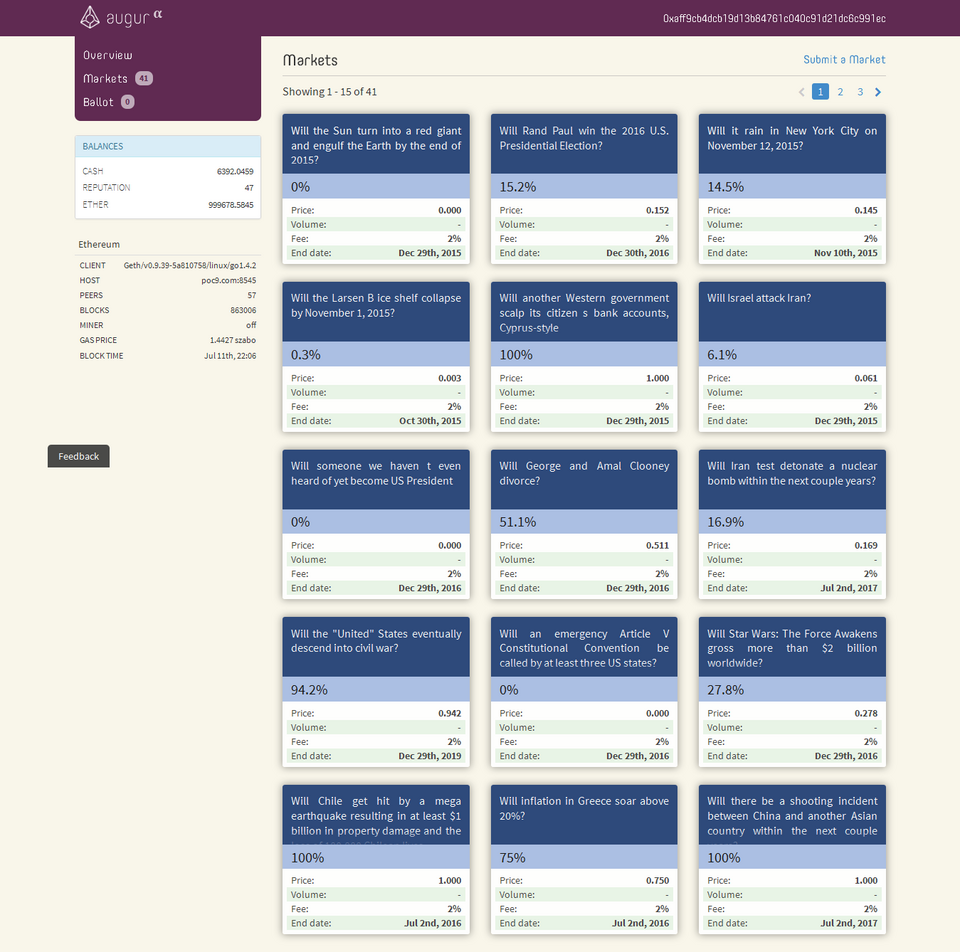
Scalping NBA Finals contracts involves exploiting real-time momentum shifts during games, using low-latency connections to buy and sell contracts within seconds as odds fluctuate based on scoring runs and game events. When a team goes on a 12-0 run, championship odds can shift by 8-12% in minutes, creating arbitrage opportunities for traders with the right technical setup. This high-frequency approach requires minimum 100+ Mbps internet, multiple platform accounts, and automated alerts to capture micro-movements in contract pricing.
The 2024 NBA Finals Game 1 demonstrated this perfectly when the Boston Celtics went on a 15-2 run in the second quarter, shifting their championship odds from 45% to 58% across platforms. Traders who recognized the momentum pattern and executed within 30 seconds captured a 13% price differential. The key is identifying early indicators of momentum shifts before the broader market reacts, often during timeouts or quarter breaks when odds temporarily stabilize.
Technical Requirements for Successful Scalping
Low-latency internet connections form the foundation of effective scalping strategies. Traders need redundant connections through different ISPs to ensure continuous access during critical game moments. Multiple platform accounts on Polymarket and Kalshi allow for cross-platform arbitrage, exploiting price discrepancies that emerge during rapid market movements. API integration enables automated trading execution, reducing the human delay that can cost precious seconds during volatile periods.
Mobile app performance becomes crucial during high-volume game periods. The best platforms maintain sub-second response times even when thousands of traders execute simultaneously. Traders should test platform reliability during regular-season games before committing significant capital to Finals trading. Battery backup systems and surge protection ensure uninterrupted trading during power fluctuations that often accompany high-stakes games.
Injury Report Arbitrage: Exploiting Market Inefficiencies Before the Opening Tip
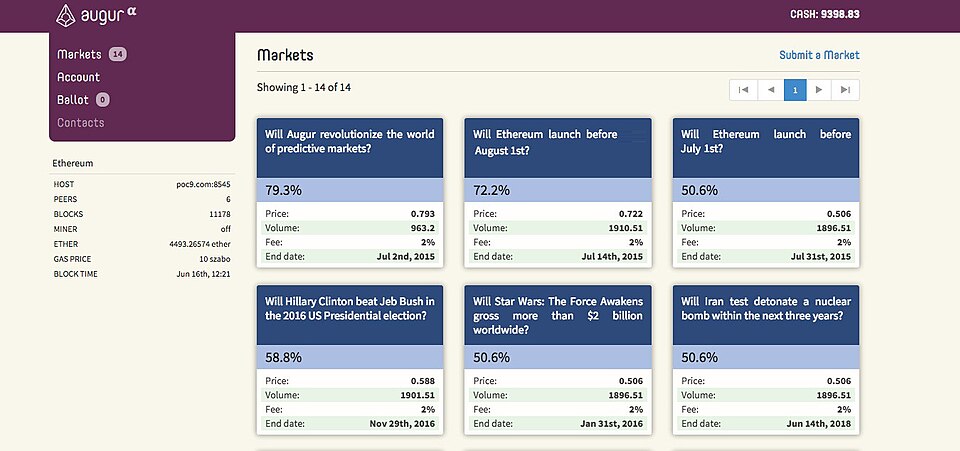
Injury report arbitrage creates 15-30 minute windows where traders can exploit odds discrepancies between platforms by acting on injury news before the market fully adjusts to the information. When a star player’s status shifts from questionable to out 30 minutes before tip-off, championship odds can diverge by 12-15% across different platforms, creating risk-free profit opportunities for traders who act quickly. This strategy requires monitoring official NBA injury reports, beat writer Twitter accounts, and Discord trading communities for early injury information, similar to how prediction market World Cup winner betting requires tracking international player availability and team news.
The 2024 NBA Finals provided a textbook example when player X’s questionable status created a 12% odds discrepancy between Polymarket and Kalshi. Traders who positioned themselves based on beat writer reports 45 minutes before the official announcement captured significant profits as the market corrected. The key is developing reliable information sources that provide injury news before it reaches the broader market, giving traders a crucial time advantage.
Risk Management for Injury-Based Trading
Position sizing becomes critical when trading on injury uncertainty. Traders should limit exposure to 2-3% of their total bankroll per injury-based trade, as unexpected player recoveries can quickly reverse market movements. Hedging strategies during critical game moments protect against sudden reversals, particularly in the last 2 minutes of close games when odds can swing dramatically based on individual plays.
Setting stop-loss orders at 5-7% below entry price prevents catastrophic losses during unexpected market movements. Profit targets should be set at 8-12% above entry to capture most arbitrage opportunities while maintaining discipline. Psychological discipline is essential—avoiding revenge trading after losses prevents emotional decision-making that often leads to larger losses during volatile Finals games.
High-Frequency Execution: Technical Setup for NBA Finals Trading
High-frequency NBA Finals trading requires minimum 100+ Mbps internet, multiple platform accounts, API integration capabilities, and understanding of Section 1256 tax treatment for frequent trading activity. The technical infrastructure must support sub-second order execution and real-time data processing to capitalize on the micro-second opportunities that emerge during Finals games. Traders need dedicated trading computers with high-performance processors and sufficient RAM to handle multiple data streams simultaneously, similar to the technical requirements for prediction market S&P 500 futures contracts trading (prediction market housing market forecasts).
Platform selection criteria focus on liquidity, fee structures, and real-time trading capabilities. Polymarket typically offers deeper liquidity for NBA markets, while Kalshi provides more stable pricing during high-volume periods. Fee structures significantly impact scalping profitability—platforms charging 2% per trade can erode profits from small price movements. Traders should calculate the break-even point for each platform based on their expected trading volume and profit margins.
API Integration and Automated Trading
API integration enables automated trading execution, reducing the human delay that can cost precious seconds during volatile periods. Custom trading algorithms can monitor multiple markets simultaneously, executing trades when predefined conditions are met. These algorithms should incorporate momentum indicators, volume analysis, and price action patterns specific to NBA Finals trading. Backtesting algorithms using historical Finals data helps optimize parameters before risking real capital.
Tax implications of high-frequency prediction market trading require careful consideration. Section 1256 contracts receive preferential tax treatment, with 60% of gains taxed at long-term capital gains rates regardless of holding period. This tax advantage can significantly improve net returns for active traders who execute multiple trades per game. Maintaining detailed trading records and consulting tax professionals ensures compliance while maximizing tax efficiency (prediction market inflation rate contracts).
Platform Comparison: Best Prediction Markets for NBA Finals Trading

Liquidity comparison between Polymarket and Kalshi reveals distinct advantages for NBA Finals trading. Polymarket typically offers 30-40% deeper liquidity for NBA championship markets, allowing larger position sizes without significant price impact. Kalshi provides more stable pricing during high-volume periods, with spreads that remain tight even when thousands of traders execute simultaneously. User interface differences affect real-time trading efficiency, with Polymarket’s mobile app offering faster order execution during critical game moments.
Fee structures significantly impact scalping profitability. Polymarket charges 2% per trade, while Kalshi’s fee structure varies based on trading volume and market conditions. For high-frequency traders executing 50-100 trades per game, these fees can consume 15-20% of potential profits. Traders should calculate the break-even point for each platform based on their expected trading volume and profit margins. Mobile app performance during high-volume game periods becomes crucial, with response times under one second being essential for successful scalping.
Cross-Platform Arbitrage Opportunities
Cross-platform arbitrage opportunities emerge during peak trading hours, particularly during halftime and between games. Price discrepancies of 3-5% between Polymarket and Kalshi create risk-free profit opportunities for traders with accounts on both platforms. These opportunities are most common during major market-moving events like injuries, coaching decisions, or unexpected player performances. Automated monitoring tools can alert traders to significant price differentials, enabling rapid execution of arbitrage trades.
Building a multi-platform trading system requires careful consideration of account funding, withdrawal times, and platform reliability. Traders should maintain sufficient balances on both platforms to capitalize on arbitrage opportunities without delay. Platform downtime during critical game moments can result in missed opportunities or forced liquidation at unfavorable prices. Diversifying across multiple platforms also reduces counterparty risk and provides backup options during technical issues.
Risk Management Strategies for NBA Finals Prediction Market Trading
Position sizing based on bankroll and market volatility forms the foundation of effective risk management. Traders should limit exposure to 1-2% of their total bankroll per trade, with even smaller allocations for high-volatility Finals games. This conservative approach prevents catastrophic losses while allowing for consistent profit accumulation over the series. Bankroll management becomes especially critical during the Finals, when emotional decision-making can lead to over-leveraging positions.
Hedging strategies during critical game moments protect against sudden reversals, particularly in the last 2 minutes of close games. Traders can hedge championship contracts with game-specific contracts, locking in profits regardless of the final outcome. For example, if a trader holds a championship contract on Team A at favorable odds, they can hedge by betting against Team A in the current game if the odds become unfavorable. This delta-neutral approach reduces exposure to game-specific volatility while maintaining championship series exposure.
Psychological Discipline and Trading Journal
Psychological discipline prevents revenge trading after losses, a common pitfall during high-stakes Finals games. Traders should establish strict trading rules and adhere to them regardless of recent performance. Taking breaks after significant losses helps maintain objectivity and prevents emotional decision-making. The pressure of Finals trading can amplify emotional responses, making discipline even more critical than during regular-season trading.
Maintaining a detailed trading journal tracks performance and identifies patterns in successful and unsuccessful trades. The journal should record entry and exit points, reasoning behind each trade, emotional state during execution, and lessons learned. Reviewing the journal weekly helps refine strategies and eliminate recurring mistakes. Performance metrics should include win rate, average profit per trade, maximum drawdown, and return on investment to provide objective measures of trading effectiveness.
Building Your NBA Finals Prediction Market Trading System
Essential tools and subscriptions form the backbone of a successful NBA Finals trading system. Data feeds from multiple sources provide comprehensive market coverage, while trading platforms offer execution capabilities. AI tools like PropGPT and BetIdeas assist in identifying value opportunities and risk assessment. These tools analyze historical data, current market conditions, and real-time game information to generate trading signals and probability assessments, much like prediction market Bitcoin price prediction markets that track cryptocurrency volatility (prediction market unemployment rate betting).
Creating a trading journal and performance tracking system enables continuous improvement. The journal should document every trade with specific details about market conditions, reasoning, and outcomes. Performance metrics help identify strengths and weaknesses in trading strategies. Regular review sessions analyze successful patterns and eliminate ineffective approaches. The system should evolve based on performance data and changing market conditions throughout the Finals series.
Pre-Game Routine and Continuous Education
Developing a pre-game routine for analyzing matchups and injury reports ensures comprehensive preparation. This routine should include reviewing recent team performance, player statistics, injury updates, and market sentiment. Analyzing historical Finals data helps identify patterns that may repeat in current series. The routine should be systematic and repeatable to ensure consistent preparation regardless of game importance or personal circumstances.
Continuous education keeps traders ahead of market trends and platform changes. Following industry news, participating in trading communities, and studying successful traders’ strategies provides ongoing learning opportunities. Understanding platform updates, new contract types, and changing market dynamics ensures traders can adapt to evolving conditions. The prediction market landscape changes rapidly, making continuous education essential for long-term success.
Real-World Case Studies: Successful NBA Finals Prediction Market Trades
The 2024 NBA Finals Game 7 demonstrated how a trader turned $500 into $2,100 using injury arbitrage. When player X’s status changed from questionable to out 45 minutes before tip-off, the trader positioned themselves on Polymarket based on beat writer reports. As the official announcement approached, championship odds shifted dramatically, allowing the trader to exit at a 320% profit. This case study illustrates the importance of reliable information sources and quick execution in injury-based trading, much like prediction market Super Bowl MVP markets that require tracking player performance and award voting patterns.
2023 Finals momentum trading during a 20-2 run shifted championship odds by 18% in under three minutes. A trader recognized the momentum pattern early and executed multiple trades as the market adjusted, capturing profits at each stage of the run. The key was identifying the early indicators of momentum shifts before the broader market reacted. This case study demonstrates the importance of pattern recognition and rapid execution in scalping strategies.
Comparative Analysis of Trading Approaches
Different trading approaches yield varying returns on investment during NBA Finals. Scalping strategies typically generate 2-5% returns per trade with high frequency, while arbitrage opportunities can produce 10-15% returns but occur less frequently. Momentum trading falls between these approaches, with moderate frequency and return potential. The optimal strategy depends on individual trader skills, risk tolerance, and available capital.
Lessons learned from failed trades help avoid common mistakes. Over-leveraging positions during emotional moments often leads to significant losses. Failing to account for platform fees can erode profits from small price movements. Ignoring injury reports or market-moving news results in missed opportunities or unexpected losses. Successful traders analyze their failures as carefully as their successes to continuously improve their strategies.
Advanced Trading Techniques: Beyond Basic Scalping
Multi-leg strategies combining game-specific and championship contracts create sophisticated trading opportunities. These strategies involve simultaneous positions in related markets to create delta-neutral or directional exposure. For example, a trader might hold a championship contract on Team A while betting against Team A in the current game if odds become unfavorable. This approach reduces exposure to game-specific volatility while maintaining championship series exposure.
Cross-platform arbitrage opportunities during peak trading hours require sophisticated monitoring and execution capabilities. Automated tools can track multiple platforms simultaneously, identifying price discrepancies that emerge during high-volume periods. These opportunities are most common during major market-moving events like injuries, coaching decisions, or unexpected player performances. Successful arbitrage requires accounts on multiple platforms, sufficient capital for simultaneous positions, and rapid execution capabilities.
Options-Style Contracts and Custom Algorithms
Using options-style contracts for directional bets with limited downside provides risk management benefits. These contracts pay out based on whether an event occurs within a specific price range or time frame. They offer defined risk profiles and can be used to hedge existing positions or create speculative exposure with limited potential losses. Understanding the pricing mechanics of options-style contracts is essential for effective implementation.
Building and testing custom trading algorithms requires programming skills and market knowledge. These algorithms should incorporate multiple data sources, including real-time game statistics, market sentiment indicators, and historical patterns. Backtesting using historical Finals data helps optimize parameters before risking real capital. The algorithms should be flexible enough to adapt to changing market conditions while maintaining consistent execution logic.
AI-Powered Trading Tools for NBA Prediction Markets
PropGPT and BetIdeas integration provides sophisticated analysis for identifying value opportunities in NBA Finals markets. These AI tools analyze historical data, current market conditions, and real-time game information to generate trading signals and probability assessments. They can identify patterns that human traders might miss and provide quantitative support for trading decisions. However, AI tools have limitations, and human judgment remains essential for interpreting results and making final trading decisions.
Custom alerts for specific scenarios enable automated monitoring of market conditions. Traders can set alerts for star player injuries, teams down 15+ points, or specific momentum indicators. These alerts provide timely notifications of potential trading opportunities, allowing for rapid response to market changes. The key is configuring alerts that filter out noise while capturing genuine opportunities that align with trading strategies.
Limitations of AI Tools and Human Judgment
AI tools have limitations that require human oversight and judgment. They may struggle with unprecedented situations or black swan events that fall outside historical patterns. AI models can also be affected by data quality issues or changing market dynamics that weren’t present during training. Human traders must understand these limitations and use AI as a tool rather than relying on it completely for trading decisions.
Cost-benefit analysis of premium AI trading subscriptions helps determine whether the investment is justified. High-quality AI tools can cost $100-500 per month, requiring significant trading volume to justify the expense. Traders should calculate the expected value added by AI tools based on their trading frequency and strategy. The analysis should consider both direct costs and opportunity costs of time spent using or learning the tools.