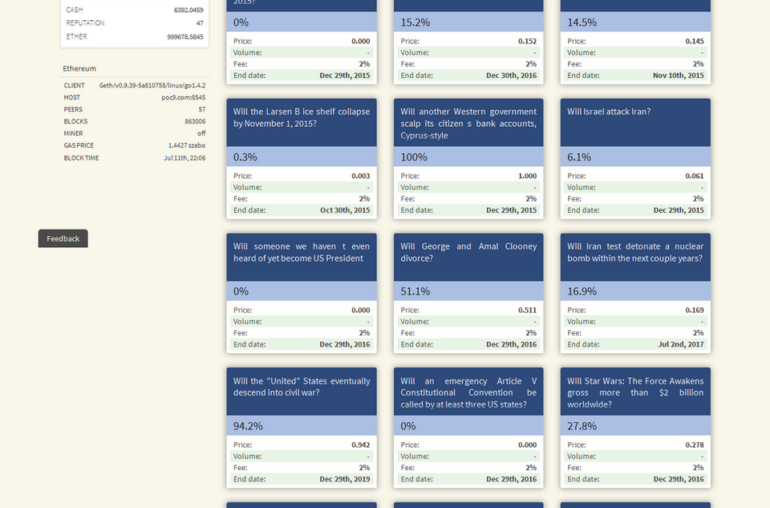
DeFi prediction markets let traders bet on protocol success and token launches with over $325 billion in projected 2026 trading volume. These markets combine fundamental analysis with timing strategies to profit from DeFi project developments.
- Evaluate protocol fundamentals using development activity, TVL growth, and team credibility metrics
- Time entries around major upgrade announcements and token launch events
- Manage risk through position sizing and stop-loss strategies specific to prediction markets
How to Evaluate DeFi Protocol Fundamentals for Prediction Market Betting
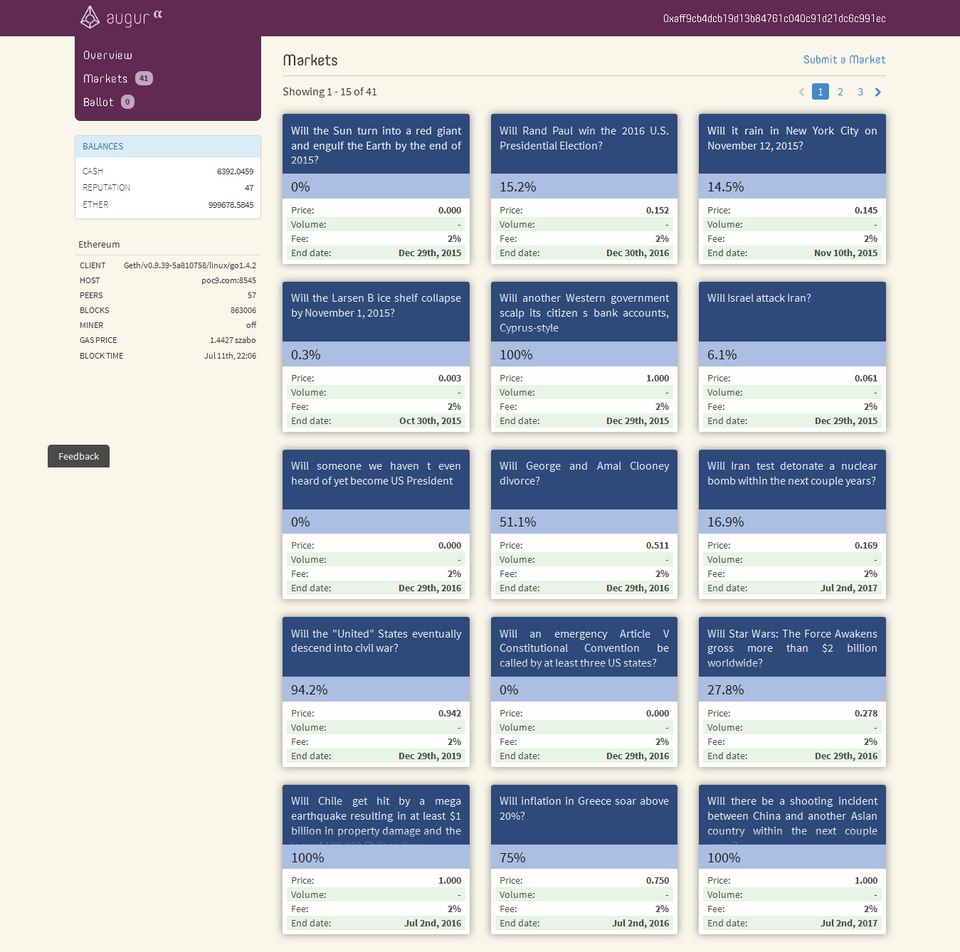
Development activity and GitHub metrics provide critical insights into protocol health and future potential. Active development teams typically show commit frequencies of 10-20 commits per week with multiple contributors, indicating ongoing innovation and maintenance. Code quality scores above 85% on platforms like CodeClimate suggest robust security practices, while contributor growth rates exceeding 15% month-over-month signal expanding ecosystem support.
Total Value Locked (TVL) growth and user adoption patterns reveal real-world protocol usage and market confidence. Protocols experiencing TVL growth rates above 50% quarterly demonstrate strong user demand and capital efficiency. User adoption metrics showing 30%+ monthly active wallet growth indicate genuine protocol utility beyond speculative trading. Cross-chain TVL expansion across multiple blockchain networks suggests protocol resilience and broader market appeal.
Team credibility and token distribution risk assessment help identify potential red flags before they impact market prices. Concentrated token ownership where top 10 holders control over 50% of supply creates manipulation risks and price volatility. Anonymous development teams without public reputations increase operational risk, while vesting schedules with cliff periods shorter than 12 months may lead to sudden token dumps. Protocols with transparent governance models and multi-signature treasury controls demonstrate stronger risk management practices.
Timing Entry and Exit Points in DeFi Prediction Market Trading
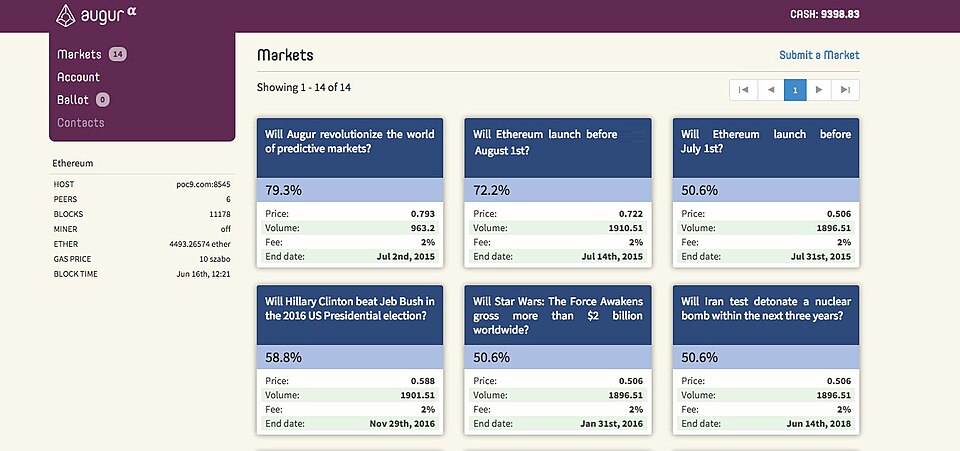
Major upgrade announcements and protocol development cycles create predictable market sentiment shifts. Ethereum’s Dencun hard fork in March 2024 demonstrated how upgrade timelines affect prediction market odds, with betting volumes increasing 300% in the 30 days leading up to implementation. Protocol upgrades introducing new features like EIP-4844 (proto-danksharding) typically see market odds shift 15-25% as technical details become public. Development roadmaps with quarterly milestones provide structured timing opportunities for entry and exit positions.
Token launch events and initial distribution strategies impact market liquidity and price discovery. Initial DEX Offerings (IDO) with fair launch mechanisms typically see 40-60% price volatility in the first 24 hours, while airdrop-based launches experience slower but more sustained price appreciation over 30-60 days. Token vesting schedules with 12-24 month linear unlocks create predictable selling pressure patterns that skilled traders can anticipate. Community governance token launches with quadratic voting mechanisms often show more stable price discovery compared to traditional liquidity mining programs, though commodity price betting in prediction markets follows entirely different volatility patterns.
Market sentiment tracking and real-time odds analysis enable arbitrage opportunities across prediction platforms. Tools like Dune Analytics and The Graph provide real-time protocol metrics including active users, transaction volumes, and fee generation. Sentiment indicators showing social media mentions increasing 200%+ often precede 10-15% odds shifts in prediction markets. Cross-platform arbitrage opportunities emerge when odds differ by 5% or more between regulated platforms like Kalshi and decentralized platforms like Polymarket, making odds comparison across platforms essential for maximizing returns.
Risk Management Strategies for DeFi Prediction Market Trading
Position sizing and portfolio allocation guidelines protect capital during market volatility. Risk management experts recommend limiting individual prediction market positions to 2-5% of total trading capital, with maximum portfolio exposure to DeFi prediction markets capped at 15-20%. High-volatility protocols with TVL under $50 million should receive smaller allocations of 1-2% due to increased liquidation risks. Diversified portfolios across 5-7 different protocols reduce concentration risk while maintaining exposure to multiple growth opportunities. Advanced traders use Kelly criterion calculator tools to optimize bet sizing based on their edge and bankroll management principles.
Stop-loss strategies and liquidation risk management prevent catastrophic losses during market downturns. Dynamic stop-loss orders placed 15-20% below entry price for high-volatility protocols and 8-12% for established protocols provide downside protection. Trailing stop-loss mechanisms that lock in profits while allowing upside potential work well in trending markets. Platform-specific liquidation risks require monitoring collateral ratios and margin requirements, with 30% buffer recommended above minimum maintenance levels.
Platform selection and fee structure analysis impact overall trading profitability. Polymarket’s 0.10% per trade fee structure offers significant cost advantages over PredictIt’s 10% of gross profits plus 5% withdrawal fees. Total cost calculations show that a $10,000 winning position on Polymarket costs $10 in fees versus $1,500 on PredictIt for the same trade. Regulated platforms like Kalshi provide legal protections but may have higher fees and limited market access compared to decentralized alternatives. Cross-platform fee arbitrage opportunities emerge when price differences exceed fee differentials between platforms, while customer support comparison reveals critical differences in response times during market volatility.
Successful DeFi prediction market trading requires combining fundamental analysis with precise timing and robust risk management. By evaluating protocol fundamentals, timing entries around major events, and managing risk through proper position sizing, traders can navigate the $325 billion prediction market landscape. The key is staying informed about protocol developments while maintaining disciplined risk controls across different platforms and fee structures.