Accessing historical data for prediction markets is essential for developing profitable trading strategies, with the industry projected to reach $325 billion in 2026 trading volume. This guide provides specific methods for obtaining historical data from major platforms and tools for backtesting your strategies.
- Platform-specific APIs and data export tools provide structured historical data access
- CSV and JSON formats are available from most major prediction market platforms
- Backtesting requires combining multiple data sources for comprehensive strategy validation
How to Access Historical Data from Major Prediction Market Platforms
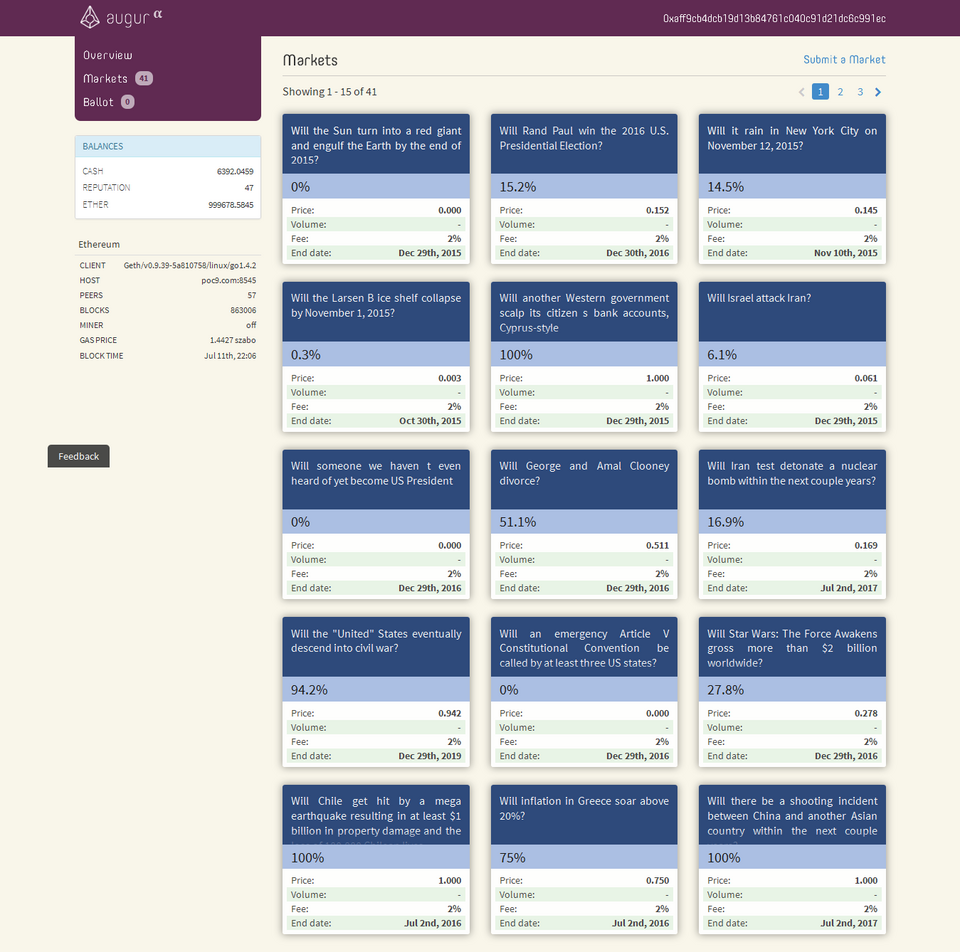
According to industry research, accessing historical data is critical for strategy development and performance analysis in prediction markets, yet most platforms lack transparent data access methods.
The landscape of prediction market platforms offers different approaches to historical data access, each with unique limitations and capabilities. Understanding these differences is crucial for traders who want to develop robust backtesting strategies.
Polymarket Historical Data Access Methods
Polymarket provides several methods for accessing historical data, though the platform’s decentralized nature creates some limitations. Traders can access historical market data through the platform’s API, which provides structured data in JSON format. The API allows for querying past market outcomes, trading volumes, and price movements.
However, Polymarket’s historical data access has limitations. The platform only retains data for markets that have resolved, and there’s no guaranteed retention period for ongoing markets. Traders need to implement their own data storage solutions to maintain comprehensive historical records.
Kalshi Data Export and API Access
Kalshi, as a regulated platform, offers more structured data access methods compared to decentralized alternatives. The platform provides API access with comprehensive documentation for developers who want to integrate historical data into their analysis tools.
Kalshi’s data export capabilities include CSV downloads for individual markets and bulk data exports for users with higher-tier accounts. The platform maintains detailed records of all trading activity, making it particularly suitable for backtesting strategies that require high-quality, reliable historical data.
PredictIt Historical Data Retention and Access
PredictIt presents unique challenges for historical data access due to its fee structure and platform limitations. The platform charges 10% of gross profits plus 5% withdrawal fees, which affects how traders approach data collection and strategy development, and may influence decisions about prediction market platform loyalty rewards.
PredictIt’s historical data access is primarily through their website interface, with limited API functionality. The platform maintains data for resolved markets, but the retention period and data completeness can vary. Traders often need to supplement PredictIt data with third-party sources to build comprehensive historical datasets.
Data Export Formats and API Access for Prediction Market Analysis
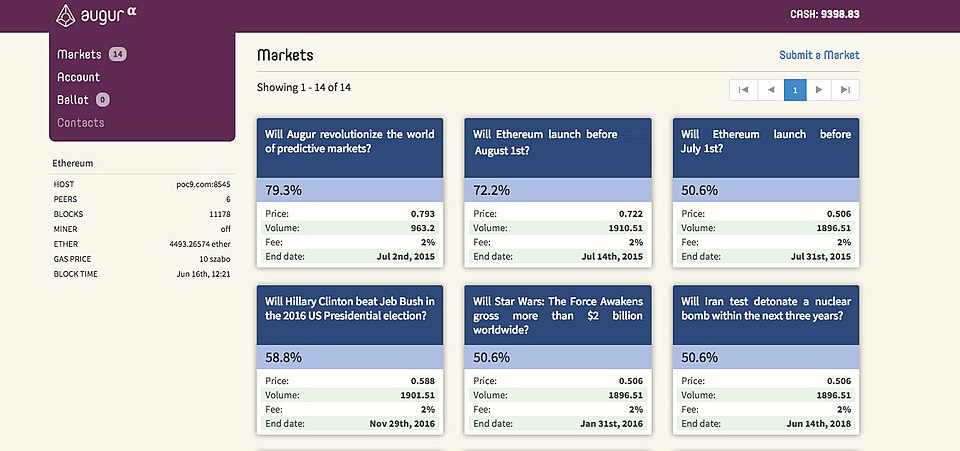
Research indicates that data export formats and API access are critical gaps in prediction market analysis tools, with traders needing structured data for effective strategy development.
Understanding the available data formats and access methods is essential for traders who want to integrate prediction market data into their analysis workflows. Different platforms offer varying levels of data accessibility and format options.
Available Data Formats (CSV, JSON, API Endpoints)
| Platform | CSV Export | JSON API | API Documentation |
|---|---|---|---|
| Polymarket | Limited | Yes | Developer Portal |
| Kalshi | Yes | Yes | Comprehensive |
| PredictIt | No | Limited | Basic |
The table above shows the data format availability across major prediction market platforms. Kalshi leads in data accessibility with comprehensive CSV and JSON API support, while Polymarket offers API access but limited CSV export capabilities. PredictIt lags behind with minimal data export options.
Data Quality and Completeness Considerations
Data quality varies significantly across prediction market platforms, affecting the reliability of backtesting results. Key factors to consider include:
- Data retention periods: Platforms maintain historical data for different timeframes
- Market coverage: Some platforms focus on specific market types or regions
- Price accuracy: Real-time price data may differ from historical records
- Volume reporting: Trading volume data may be incomplete or delayed
Traders should implement data validation processes to ensure the quality and completeness of their historical datasets before using them for backtesting.
Real-Time vs Historical Data Access Differences
Real-time data access differs significantly from historical data access in terms of availability, format, and use cases. Real-time data typically provides current market prices, trading volumes, and order book information, while historical data focuses on past market outcomes and trading patterns.
The main differences include:
- Latency: Real-time data has minimal delay, while historical data may have processing delays
- Format: Real-time data often uses streaming protocols, while historical data uses batch exports
- Cost: Real-time data access may require subscriptions, while historical data is often included in platform access
- Use cases: Real-time data supports active trading, while historical data enables strategy development
Backtesting Strategies Using Historical Prediction Market Data
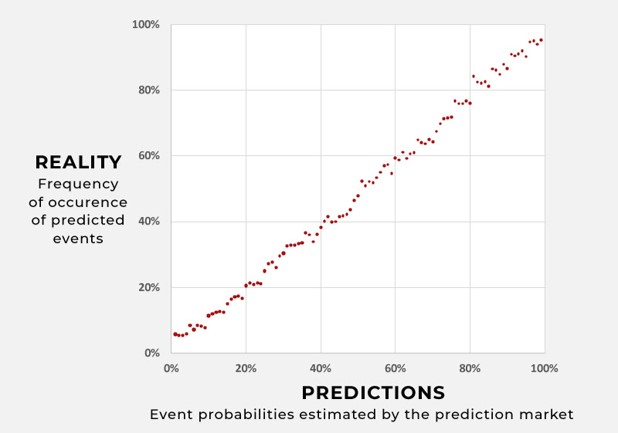
Industry analysis shows that backtesting is essential for developing profitable prediction market strategies, but requires comprehensive historical data across multiple platforms.
Building effective backtesting workflows requires understanding both the technical aspects of data access and the strategic considerations for prediction market trading. Successful backtesting combines data from multiple sources to create robust, validated strategies.
Building Backtesting Workflows for Prediction Markets
Creating effective backtesting workflows involves several key steps:
- Data collection: Gather historical data from multiple prediction market platforms
- Data cleaning: Remove inconsistencies and fill gaps in the historical records
- Strategy definition: Specify the trading rules and parameters to test
- Simulation: Run the strategy against historical data to evaluate performance
- Analysis: Assess the results and identify areas for improvement
Each step requires careful attention to detail and understanding of prediction market dynamics. Traders should document their workflows to ensure reproducibility and enable continuous improvement of their strategies.
Common Backtesting Pitfalls and How to Avoid Them
Several common pitfalls can undermine the effectiveness of prediction market backtesting:
- Survivorship bias: Only testing strategies on markets that resolved successfully
- Look-ahead bias: Using information that wouldn’t have been available during the test period
- Overfitting: Creating strategies that work perfectly on historical data but fail in live trading
- Insufficient data: Using too little historical data to draw reliable conclusions
To avoid these pitfalls, traders should use multiple data sources, implement proper time-based testing, and validate strategies across different market conditions and timeframes.
Successful prediction market trading requires access to comprehensive historical data across multiple platforms. By combining API access, data export tools, and proper backtesting workflows, traders can develop robust strategies that account for market dynamics and platform-specific characteristics. The key is to use multiple data sources and validate strategies across different market conditions to ensure reliable performance in live trading environments.