

The regulatory landscape for US prediction market traders in 2026 presents a complex battleground between federal authority and state-level enforcement, with the Commodity Futures Trading Commission (CFTC) asserting exclusive jurisdiction over event contracts while states like New York and California push forward with independent frameworks. This jurisdictional conflict creates a compliance minefield where traders must navigate both federal reporting requirements and state-specific licensing rules to operate legally, especially for those engaged in prediction betting.
2026 Regulatory Landscape: CFTC vs State Authority Battle
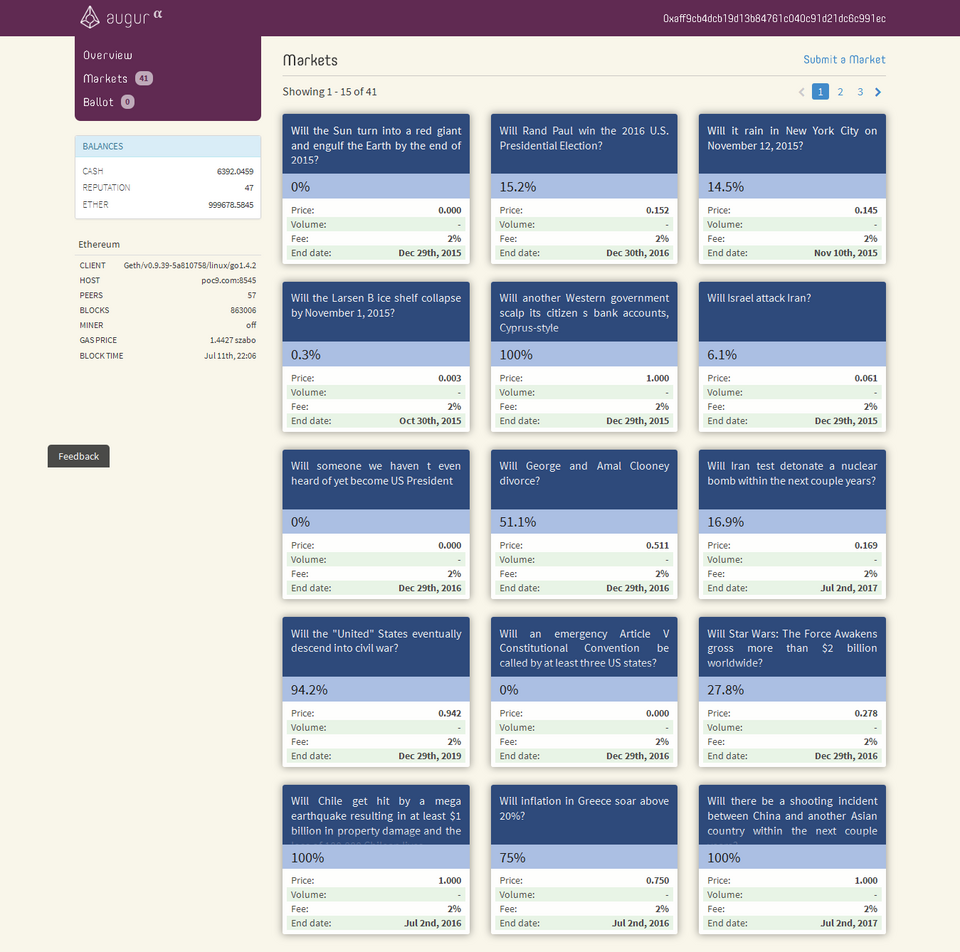
The 2026 regulatory landscape for prediction markets is defined by a fundamental jurisdictional conflict between federal and state authorities. The CFTC maintains that event contracts fall exclusively under its Commodity Exchange Act authority, while states increasingly assert their right to regulate these markets as gambling activities. This regulatory tug-of-war creates significant compliance challenges for traders who must understand both federal requirements and state-specific rules.
- CFTC asserts exclusive jurisdiction over event contracts under the Commodity Exchange Act, claiming federal preemption of state gambling laws
- States like New York and California drafting independent frameworks despite federal claims, creating dual compliance requirements
- Supreme Court expected to resolve jurisdictional conflict by Q4 2026, potentially reshaping the regulatory landscape
- Platforms face dual compliance requirements: federal reporting + state licensing, increasing operational complexity
The CFTC’s position rests on its authority to regulate futures contracts, which it extends to event contracts that reference future outcomes. However, states argue that prediction markets constitute gambling and fall under their traditional regulatory authority. This conflict has led to a patchwork of enforcement approaches, with some states actively pursuing platforms while others take a hands-off approach pending federal resolution.
Federal vs State Jurisdiction Analysis
The jurisdictional battle centers on whether prediction markets are futures contracts or gambling activities. The CFTC’s exclusive jurisdiction claim means that federally registered platforms like Kalshi can operate nationwide, but state regulators increasingly challenge this interpretation. New York’s proposed SB 8889 explicitly requires DFS licenses for prediction market operators, directly contradicting CFTC authority claims.
The Supreme Court’s eventual ruling will likely determine whether prediction markets face a unified federal framework or continue under state-by-state regulation. Until then, traders must monitor both federal and state developments to ensure compliance with all applicable rules.
Tax Reporting Requirements for Prediction Market Winnings
Tax compliance for prediction market winnings requires careful attention to reporting thresholds and income classification. For the 2026 tax year, the W-2G threshold increased to $2,000 for gambling winnings, up from $600 in previous years. All prediction market winnings must be reported as “Other Income” on Schedule 1 (Form 1040), Line 8b, regardless of whether Form W-2G is issued. Traders seeking detailed guidance can refer to the 2026 tax reporting guide for prediction market gains.
- W-2G threshold increased to $2,000 for 2026 tax year (up from $600), affecting reporting requirements
- All winnings reported as “Other Income” on Schedule 1 (Form 1040), Line 8b, requiring careful income tracking
- Gambling losses deductible only up to 90% of winnings on Schedule A, limiting tax loss benefits
- Cryptocurrency winnings require additional Form 8949 reporting for capital gains, adding complexity for crypto traders
The increased W-2G threshold means more traders will need to report winnings without receiving tax forms from platforms. This self-reporting requirement makes per-session tracking essential for accurate tax compliance. Traders must maintain detailed records of wins and losses, including dates, amounts, and platform information.
Detailed Tax Reporting Requirements
Beyond basic income reporting, prediction market traders face several tax considerations. Cryptocurrency winnings introduce additional complexity through capital gains reporting requirements. When trading on crypto-based platforms, traders must track both the gambling income and any cryptocurrency appreciation or depreciation.
Form 8949 becomes necessary when cryptocurrency is used for trading and later converted to fiat currency. This dual reporting requirement means traders must track both the gambling income and the cryptocurrency’s cost basis and sale proceeds. Professional tax guidance is often necessary for complex crypto trading scenarios.
State-by-State Compliance Risk Matrix
State-level compliance requirements vary significantly, creating different risk profiles for traders based on their location. New York presents the highest compliance burden with proposed legislation requiring DFS licenses, strict KYC requirements, age limits potentially set at 21+, and mandatory reporting to state authorities. The New York Attorney General has explicit enforcement authority with heavy penalties for non-compliance.
- New York: SB 8889 requires DFS licenses, strict KYC, age limits (21+), AG enforcement with heavy penalties
- California: DFAL licensure by July 1, 2026, bans on public officials using markets, Department of Financial Protection oversight
- Texas: Legal gray area, high regulatory risk, restricted wager types, no formal permissive framework
- Florida: No specific prediction market laws, but gambling statutes apply, moderate compliance risk
California’s Digital Financial Assets Law (DFAL) creates a different compliance framework focused on digital asset regulation. Platforms must obtain licensure by July 1, 2026, and face specific restrictions including bans on public officials, candidates, and lobbyists using prediction markets. This creates unique compliance challenges for California-based traders and platforms serving California residents.
Texas represents a high-risk environment where prediction markets operate in a legal gray area. Without formal permissive framework, traders face potential enforcement actions and restricted access to certain wager types. The lack of clear regulatory guidance makes Texas particularly challenging for compliance planning (prediction market odds for 2028 presidential nominees).
Platform-Specific Compliance Requirements

Different prediction market platforms operate under varying regulatory frameworks, affecting trader compliance obligations. CFTC-registered platforms like Polymarket and Kalshi provide federal regulatory protection but may still face state-level requirements. Academic-focused platforms like PredictIt operate under CFTC no-action letters with different compliance obligations, while developers interested in building automated trading bots for Polymarket API must consider additional technical and regulatory constraints.
- Polymarket: CFTC-registered, requires SSN verification, 1099-B issuance, federal compliance framework
- Kalshi: CFTC-designated contract market, $500 minimum account, Form 1099 issued, strict federal oversight
- PredictIt: Operates under CFTC no-action letter, academic research exemption, different compliance obligations
- Crypto platforms: Additional FinCEN BSA compliance, suspicious activity reporting, enhanced due diligence requirements
Polymarket’s CFTC registration provides federal regulatory protection but requires traders to provide Social Security numbers for tax reporting purposes. The platform issues 1099-B forms for trading activity, simplifying tax compliance for federal reporting but not addressing state-specific requirements. For those new to the platform, understanding how to interpret market data is crucial, and resources like the how to read Kalshi order books for beginners guide can provide valuable insights, though similar principles apply to Polymarket’s interface (trading Supreme Court vacancy contracts on Polymarket).
Choosing Compliant Platforms
Platform selection significantly impacts compliance risk. CFTC-registered platforms offer federal regulatory protection and standardized tax reporting, reducing compliance complexity. However, traders must still verify state-specific requirements and ensure the platform serves their jurisdiction.
Platform selection significantly impacts compliance risk. CFTC-registered platforms offer federal regulatory protection and standardized tax reporting, reducing compliance complexity. However, traders must still verify state-specific requirements and ensure the platform serves their jurisdiction. Crypto-based platforms introduce additional compliance layers through Bank Secrecy Act requirements. These platforms must implement suspicious activity reporting and enhanced due diligence procedures, potentially affecting trader privacy and account access. Traders should weigh the benefits of crypto trading against these additional compliance requirements, particularly when hedging crypto volatility with prediction markets 2026.
International Trader Considerations
International traders face additional compliance requirements beyond US federal and state regulations. European Union traders must navigate GDPR compliance and MiFID II reporting for security-based contracts. UK participants require FCA registration for platforms serving UK residents, while Asian markets present varying requirements from Japan’s FSA to Singapore’s MAS oversight.
- EU traders: GDPR compliance, MiFID II reporting for security-based contracts, cross-border data protection
- UK participants: FCA registration required for platforms serving UK residents, additional oversight requirements
- Asian markets: Varying requirements from Japan’s FSA to Singapore’s MAS oversight, jurisdiction-specific rules
- Cross-border reporting: FBAR requirements for accounts exceeding $10,000, international tax implications
Cross-border compliance introduces FBAR (Foreign Bank Account Report) requirements for accounts exceeding $10,000. International traders must maintain detailed records of all trading activity and may face dual tax reporting obligations. Professional guidance becomes essential for navigating these complex international compliance requirements.
Compliance Readiness Checklist for Traders
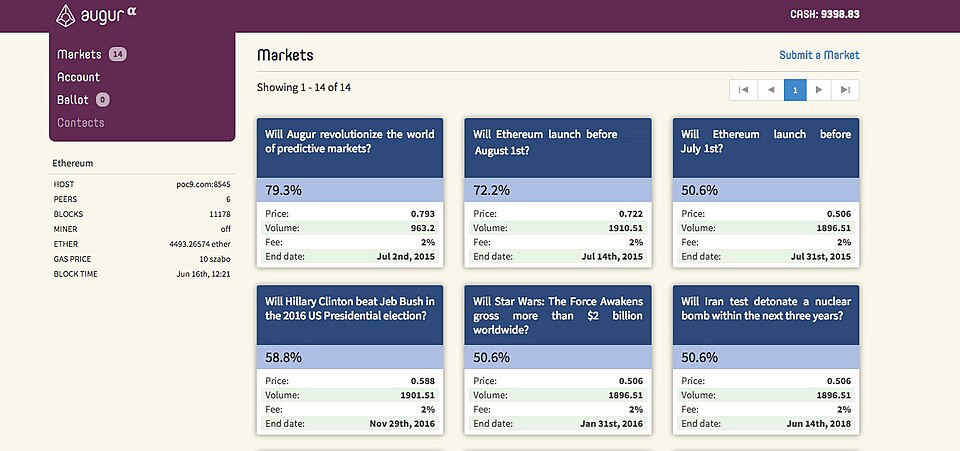
Traders can use this comprehensive checklist to ensure regulatory compliance across all jurisdictions. The checklist addresses federal, state, and platform-specific requirements while providing actionable steps for maintaining compliance throughout the trading year.
- Verify platform CFTC registration or state licensing status before creating accounts or depositing funds
- Maintain per-session records of wins/losses for tax substantiation, including dates, amounts, and platform details
- File Schedule 1 “Other Income” for all prediction market winnings, regardless of whether tax forms are issued
- Review state residency requirements before participating in any market, considering both current and future compliance obligations
- Consult tax professionals for complex situations involving cryptocurrency winnings or international trading activity
- Monitor regulatory developments in both federal and state jurisdictions throughout the trading year
- Maintain documentation of all compliance efforts, including platform verification and state research
This checklist provides a framework for ongoing compliance monitoring rather than a one-time verification. Regulatory requirements evolve throughout the year, and traders must stay informed about changes that affect their compliance obligations.
Record-Keeping Best Practices
Effective record-keeping forms the foundation of regulatory compliance. Traders should maintain separate records for federal and state requirements, as the documentation needs may differ. Federal tax reporting requires detailed transaction records, while state compliance may require additional documentation of platform verification and residency status.
Digital record-keeping systems offer advantages for prediction market traders due to the high volume of transactions. Automated tracking tools can help maintain accurate records while reducing the burden of manual documentation. However, traders must ensure their record-keeping methods comply with both platform terms of service and regulatory requirements.
Future Regulatory Outlook
The regulatory landscape for prediction markets continues to evolve, with several key developments expected in 2026. The Supreme Court’s resolution of jurisdictional conflicts will likely reshape compliance requirements, while additional states may introduce specific prediction market legislation. The increasing integration of cryptocurrency trading also suggests enhanced regulatory scrutiny of crypto-based platforms. Traders looking for the best prediction markets for entertainment awards 2026 should monitor these regulatory changes closely as they may affect market availability.
Industry growth continues despite regulatory challenges, suggesting that prediction markets will likely persist in some form. However, the specific compliance requirements may shift significantly based on federal and state regulatory decisions. Traders should prepare for potential changes by maintaining flexible compliance systems and staying informed about regulatory developments.
The intersection of federal preemption claims and state-level enforcement creates ongoing uncertainty for prediction market traders. Success in this environment requires proactive compliance planning, regular monitoring of regulatory changes, and professional guidance when navigating complex requirements. By understanding and preparing for these regulatory challenges, traders can participate in prediction markets while minimizing compliance risks.