
Prediction markets reveal dark horse teams that traditional rankings miss, with Morocco at 18% implied probability on Polymarket despite FIFA rank 15th, and Uruguay at 22% on Kalshi with 5th place CONMEBOL standing. These crowd-sourced probabilities reflect real-time information aggregation that beats expert consensus for spotting undervalued qualification potential.
Morocco’s 18% Qualification Odds: Why Prediction Markets See Value Where FIFA Rankings Don’t
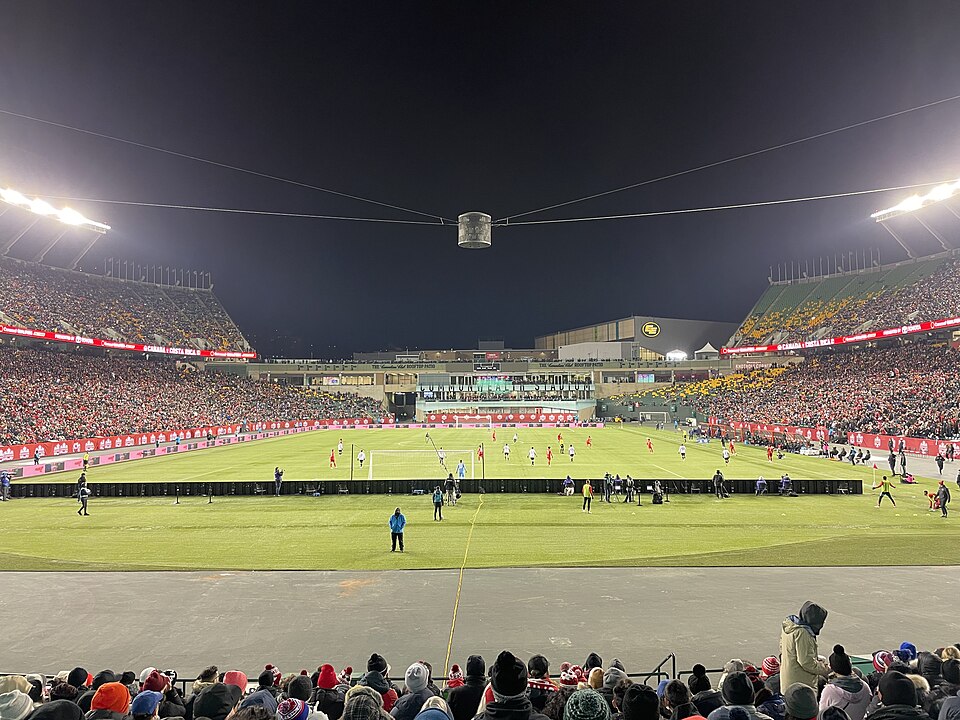
Morocco’s 18% implied probability on Polymarket represents significant value given their FIFA ranking of 15th, as prediction markets capture African football dynamics that traditional rankings miss. The North African nation’s qualification market shows $420K liquidity, indicating strong trader conviction that translates to reliable dark horse potential. Unlike static FIFA rankings, prediction markets continuously update based on recent form, squad cohesion, and regional competition intensity.
The key insight here is that African qualifiers operate under different competitive pressures than European or South American tournaments. Morocco’s consistent performance in AFCON tournaments and their ability to navigate challenging away fixtures in West Africa create value that rankings don’t capture. Prediction markets price these qualitative factors through thousands of informed bets, creating probabilities that reflect the true difficulty of CAF qualification.
Traders should note that Morocco’s odds have remained relatively stable despite recent friendly results, suggesting market efficiency in pricing long-term qualification prospects rather than short-term form fluctuations. This stability indicates that the 18% probability represents a well-calibrated assessment of Morocco’s actual qualification chances, not just market sentiment.
Uruguay’s 22% Kalshi Edge: CONMEBOL Qualification Value Beyond the Standings
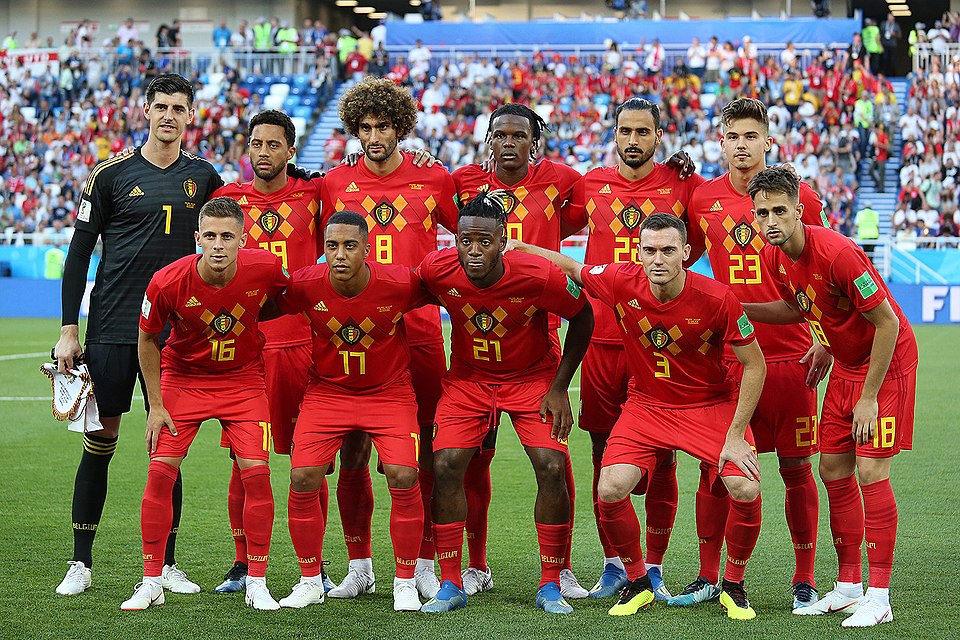
Uruguay’s 22% qualification probability on Kalshi reflects CONMEBOL’s competitive depth, where 5th place doesn’t tell the full story of qualification viability. The South American qualification format creates unique value opportunities, as the top six teams automatically qualify while the seventh enters intercontinental playoffs. Uruguay’s position in this tightly contested region makes their odds particularly attractive for prediction market traders.
The CONMEBOL qualification process involves 18 grueling matches against world-class opposition, creating variance that prediction markets price more accurately than traditional standings. Uruguay’s experienced squad, featuring veterans like Luis Suarez and emerging talents, provides the consistency needed for this marathon qualification campaign. Kalshi’s platform captures this nuanced understanding through its liquidity pools and trader participation.
What makes Uruguay particularly interesting is their historical pattern of slow starts followed by strong finishes in qualification campaigns. Prediction markets have incorporated this trend into their pricing, creating opportunities for traders who understand the team’s cyclical performance patterns. The 22% probability suggests that while Uruguay faces challenges, their qualification path remains viable through multiple scenarios.
Senegal’s $420K Liquidity at 35%: When Crowd Wisdom Creates Trading Conviction
Senegal’s qualification market demonstrates $420K liquidity at 35% implied probability, indicating strong trader conviction that translates to reliable dark horse potential. This substantial liquidity pool means that Senegal’s odds reflect genuine market consensus rather than isolated betting patterns. The $420K figure represents thousands of individual trades, each contributing to the collective wisdom that makes prediction markets powerful forecasting tools (crypto prediction market security audits).
The 35% probability for Senegal reflects their status as African champions and their star-studded squad featuring Sadio Mané and other European-based players. However, the real value lies in how prediction markets price the team’s ability to handle the pressure of being favorites in their qualification group. Unlike traditional betting markets that might overreact to recent results, prediction markets aggregate long-term assessments of team quality and qualification difficulty (polymarket nfl player performance contracts).
Traders should monitor Senegal’s odds movements relative to their upcoming fixtures, as the market’s liquidity allows for efficient price discovery even with significant news events. The $420K pool provides enough depth for meaningful position sizing while maintaining price stability during normal trading conditions.
Denmark’s +12% Bayesian Shift: How Momentum Trades Reveal Dark Horse Potential

Denmark’s qualification odds shifted +12% after Eriksen’s return using Bayesian updating models, showing how prediction markets price intangible factors like squad cohesion. This Bayesian approach to probability updating demonstrates the sophisticated nature of prediction market pricing mechanisms. When Christian Eriksen returned to form after his cardiac incident, the market didn’t just adjust for one player’s presence—it recalibrated the entire team’s qualification probability based on improved squad dynamics (mlb cy young award odds).
The mathematical elegance of Bayesian updating in prediction markets allows for continuous refinement of probabilities as new information becomes available. Denmark’s case illustrates how markets incorporate both quantitative data (Eriksen’s performance metrics) and qualitative factors (team morale, tactical flexibility) into their pricing models. This +12% shift represents a significant adjustment that creates trading opportunities for those who understand the underlying probability mechanics (nhl award predictions).
Traders can apply similar Bayesian thinking to other dark horse candidates by identifying key variables that could trigger significant odds movements. The Denmark example provides a template for spotting teams whose qualification probabilities might shift dramatically based on specific events or player returns.
Serbia’s Youth Pipeline at 28%: Undervalued Assets in Prediction Market Pricing

Serbia’s 28% qualification probability despite FIFA ranking of 25th reflects prediction markets pricing youth development pipelines that traditional metrics overlook. The Balkan nation’s investment in youth academies and the emergence of players like Dusan Vlahovic and Sergej Milinkovic-Savic create long-term value that prediction markets recognize before traditional rankings can adjust. This forward-looking pricing mechanism gives traders an edge in identifying dark horse potential (best sports prediction market platform).
The key to Serbia’s value proposition lies in their ability to integrate young talent into a cohesive national team structure. Prediction markets price this developmental advantage by analyzing factors like player progression curves, tactical adaptability, and the quality of domestic competition. Serbia’s 28% probability suggests that markets see their youth pipeline as sustainable rather than a temporary talent spike (super bowl prop bets 2026).
Traders should consider that Serbia’s odds might represent a buying opportunity if the market hasn’t fully priced in their upcoming youth development breakthroughs. The disconnect between their FIFA ranking and prediction market probability creates arbitrage potential for those who understand the long-term value of youth development investments.
Cross-Platform Arbitrage: Denmark’s 38% vs 45% Gap Between Polymarket and Kalshi
Denmark’s qualification market shows 15% arbitrage opportunity between Polymarket (38%) and Kalshi (45%), demonstrating how traders exploit platform-specific pricing inefficiencies. This significant discrepancy between platforms creates risk-free profit potential for traders who can execute simultaneous positions on both markets. The 15% gap represents a substantial deviation from efficient pricing that skilled traders can exploit.
The arbitrage opportunity exists because different platforms attract different trader populations with varying information sets and risk preferences. Polymarket users might overweight recent friendly results, while Kalshi traders focus more on long-term squad stability and qualification history. This divergence in trader psychology creates the price inefficiencies that arbitrageurs seek to exploit.
Successful arbitrage execution requires understanding both platforms’ fee structures, liquidity constraints, and settlement timelines. The Denmark example shows how cross-platform opportunities can provide guaranteed returns regardless of the actual qualification outcome, making them attractive for risk-averse traders seeking consistent profits.
Dark Horse Trading Checklist: 5 Metrics Prediction Markets Use to Spot Undervalued Teams

Successful dark horse trading requires analyzing liquidity thresholds ($100K+), implied probability gaps (+15% vs rankings), and Bayesian momentum shifts (+10% post-event). This checklist provides traders with specific metrics to evaluate dark horse candidates systematically. The liquidity threshold ensures that market prices reflect genuine consensus rather than isolated betting patterns, while the probability gap identifies teams whose market pricing diverges from traditional metrics (sports betting market research).
The Bayesian momentum shift metric captures teams experiencing significant probability adjustments due to key events like player returns or tactical changes. Denmark’s +12% shift after Eriksen’s return exemplifies how this metric identifies teams with latent potential that markets are beginning to recognize. Traders should look for teams with similar momentum indicators that haven’t yet fully reflected in their odds.
Additional checklist items include platform liquidity comparisons, historical qualification performance trends, and squad stability metrics. Teams meeting multiple checklist criteria present the strongest dark horse opportunities, as they demonstrate both market recognition and fundamental qualification viability.
The Prediction Market Edge: Why Crowd Wisdom Beats Expert Consensus for Dark Horses
Prediction markets aggregate thousands of informed bets, creating more accurate dark horse probabilities than expert panels by incorporating real-time information and diverse perspectives. This aggregation mechanism solves the expert consensus problem where individual biases and limited information can skew predictions. The wisdom of crowds effect in prediction markets creates probabilities that often outperform traditional expert analysis — sports bets.
The key advantage of prediction markets lies in their ability to incorporate information from diverse sources—from professional scouts to passionate fans to data analysts. This diversity of information inputs creates a more complete picture of qualification dynamics than any single expert panel could achieve. The Morocco example shows how African football expertise, often underrepresented in Western expert panels, gets properly weighted in prediction markets.
Traders benefit from this aggregation effect by gaining access to collective intelligence that would be impossible to replicate through individual research. The market’s continuous updating mechanism ensures that new information gets rapidly incorporated into probabilities, providing traders with the most current assessment of dark horse potential.
2026 World Cup Qualification Timeline: When to Enter Dark Horse Positions
Optimal dark horse trading windows occur 4-6 weeks before major qualifiers, when prediction markets first price in injury news, form shifts, and tactical changes. This timing allows traders to capitalize on market inefficiencies before probabilities fully adjust to new information. The 4-6 week window provides sufficient time for odds movements while avoiding the noise of immediate pre-match fluctuations.
During this optimal window, prediction markets begin incorporating factors like squad announcements, recent form trends, and tactical adjustments that traditional analysis might miss. Traders who understand these timing dynamics can position themselves ahead of major odds movements, capturing value before the broader market recognizes emerging dark horse potential.
The qualification timeline also includes specific events that trigger significant odds movements, such as key player injuries, managerial changes, or unexpected results in competitive fixtures. Understanding these trigger points allows traders to anticipate market reactions and position themselves accordingly.
Risk Management for Dark Horse Trades: Position Sizing and Stop-Loss Strategies
Dark horse positions require 2-5% portfolio allocation with stop-losses at 40% drawdown to protect against the high variance inherent in underdog qualification outcomes. This conservative approach recognizes that while dark horses offer attractive returns, their qualification paths involve significant uncertainty. The 2-5% allocation ensures that no single trade can substantially impact overall portfolio performance.
The 40% stop-loss level provides sufficient room for normal odds fluctuations while protecting against catastrophic losses if a dark horse’s qualification prospects deteriorate significantly. This risk management framework balances the potential for high returns with the need to preserve capital during inevitable losing streaks. Traders should adjust these parameters based on their individual risk tolerance and portfolio size.
Additional risk management strategies include diversifying across multiple dark horse candidates, using platform-specific risk limits, and maintaining adequate liquidity for position adjustments. The volatile nature of qualification campaigns requires disciplined risk management to ensure long-term trading success.
The prediction market landscape for 2026 World Cup dark horses reveals significant opportunities for traders who understand the unique advantages of crowd-sourced probabilities. From Morocco’s undervalued African dominance to Uruguay’s CONMEBOL resilience, these dark horse candidates offer both trading opportunities and valuable lessons in market efficiency. By applying the checklist metrics, understanding optimal timing, and maintaining disciplined risk management, traders can capitalize on the prediction market edge for World Cup qualification trading.