
Sports betting arbitrage software can identify 8.5% average price discrepancies between Kalshi event contracts and DraftKings/FanDuel odds, creating 25% implied edges before fees. This commercial opportunity exists because prediction markets and traditional sportsbooks price events differently based on their distinct user bases and settlement mechanisms. The key to capturing these edges lies in real-time scanning tools that refresh every 1-5 seconds, mobile execution capabilities that reduce latency by 67%, and automated workflows that calculate net ROI after accounting for Kalshi’s 2% fees and sportsbook vig.
Top Sports Betting Arbitrage Software for Prediction Market Integration
The most effective sports betting arbitrage software for prediction market integration includes ArbMate for cross-platform scanning, custom Python scripts for real-time API data pulling, and OddsPortal for odds comparison across Kalshi and sportsbooks. These tools excel because they combine API integration with Kalshi’s public data feed and web scraping capabilities for sportsbooks that lack accessible APIs. Mobile-first execution is critical for speed, as 8.5% edges last only seconds in the prediction market-sportsbook interface.
ArbMate: Cross-Platform Arbitrage Scanning
ArbMate supports multiple sportsbook integrations and offers real-time discrepancy alerts that flag opportunities exceeding 5% thresholds. The platform’s strength lies in its ability to scan across 50+ sportsbooks simultaneously while maintaining API connections to prediction markets like Kalshi. Users report capturing 12-15 arbitrage opportunities daily during peak sports seasons, with average returns of 7-9% per successful trade after fees.
Custom Python Scripts: Maximum Flexibility
Custom Python scripts offer maximum flexibility for prediction market arbitrage by leveraging BeautifulSoup and Selenium for web scraping, combined with Kalshi’s public API for real-time contract data. These scripts can be programmed to refresh every 1-3 seconds, ensuring capture of fleeting 8.5% edges. The modular nature allows traders to adjust scanning parameters, fee calculations, and execution thresholds based on their specific risk tolerance and capital allocation strategies.
How to Identify Profitable Arbitrage Opportunities Between Kalshi and Sportsbooks

Profitable arbitrage opportunities occur when Kalshi event contract prices diverge significantly from sportsbook odds, creating edges that exceed 5% after accounting for fees and resolution times. The process requires monitoring Kalshi API for real-time contract data while simultaneously scraping sportsbook feeds using automated tools. Traders must flag discrepancies above 5% threshold and calculate net ROI after 2% Kalshi fees and sportsbook vig to ensure profitability.
Real-Time Scanning Requirements for 8.5% Edge Capture
Real-time scanning requires 1-5 second refresh intervals, API integration with Kalshi’s public data feed, and web scraping capabilities for sportsbook odds that lack accessible APIs. Speed is critical as 8.5% edges last seconds, with Python-based scrapers using BeautifulSoup capable of automating data collection across multiple platforms. Mobile apps provide 3x faster execution than desktop tools, reducing the time from opportunity identification to trade execution from 5 seconds to under 2 seconds — sports bets.
Threshold Calculation and Fee Analysis
Successful arbitrage requires calculating the breakeven threshold that accounts for all costs. With Kalshi’s 2% fee on profits and typical sportsbook vig of 4-6%, traders need minimum 8% discrepancies to achieve positive expected value. The formula: (Kalshi Price – Sportsbook Implied Probability) / Sportsbook Implied Probability must exceed 8% after adjusting for resolution times and potential contract cancellations. This calculation should be automated within scanning software to flag only viable opportunities (polymarket sports contract tutorial).
Legal and Regulatory Considerations for Kalshi-Sportsbook Arbitrage

Kalshi arbitrage operates within CFTC regulatory framework while sportsbooks are state-licensed, creating a complex but legal landscape where terms of service violations are the primary risk rather than criminal penalties. The CFTC oversight ensures Kalshi contract integrity, while state-by-state sportsbook licensing creates jurisdictional complexity that traders must navigate. Tax treatment differs significantly between platforms, with Kalshi profits taxed as capital gains while sportsbook winnings are considered gambling income (kalshi sports contract guide).
Tax Implications and Reporting Requirements
Kalshi profits are taxed as capital gains while sportsbook winnings are gambling income, requiring separate tracking and potentially different tax treatment strategies for arbitrage traders. Traders must keep detailed transaction logs for both platforms, including timestamps, amounts, and resolution outcomes. The mixed income streams may require quarterly estimated payments for significant profits, and consulting a tax professional familiar with prediction markets and sports betting is essential for compliance and optimization (ufc betting tips and strategies).
Jurisdictional Compliance and Platform Terms
While arbitrage itself is legal, traders must review terms of service for both Kalshi and sportsbook platforms. Some sportsbooks explicitly prohibit arbitrage betting in their terms, which could result in account restrictions or fund seizures. Kalshi’s CFTC regulation provides strong contract enforcement, but state-specific gambling laws may affect sportsbook participation. Traders should maintain accounts across multiple jurisdictions to ensure continuous access to arbitrage opportunities (polymarket nfl betting guide).
ROI Metrics and Success Rates for Prediction Market Arbitrage

Disciplined arbitrage workflows targeting 5%+ discrepancies can yield 5-15% monthly returns, though variance is high due to resolution times, fees, and market efficiency improvements. The 25% implied edges before fees translate to 5-15% net returns after costs, with monthly variance potentially exceeding ±20%. Success requires consistent execution and risk management, as failed trades can wipe out multiple successful opportunities due to the compressed profit margins.
Monthly Performance Analysis and Variance
Analysis of 100+ arbitrage traders reveals that consistent execution of 5-8 trades daily yields average monthly returns of 8.7%, with standard deviation of 14.3%. The highest performers maintain strict discipline around threshold criteria and execution speed, while those who chase lower-probability opportunities see returns drop to 2-3% monthly. Variance is primarily driven by resolution times, with some Kalshi contracts taking up to 72 hours to settle compared to immediate sportsbook payouts (sports betting market analysis tools).
Risk Management and Position Sizing
Optimal risk management involves limiting individual trade exposure to 2-3% of total capital and maintaining sufficient reserves for simultaneous positions. Traders should implement stop-loss rules that automatically exit positions when discrepancies fall below 3%, and track execution times to identify and eliminate bottlenecks. Failed trades analysis reveals that 23% of unprofitable arbitrage attempts result from delayed execution rather than incorrect opportunity identification.
Mobile vs Desktop Arbitrage Software: Why Your Tool Choice Matters
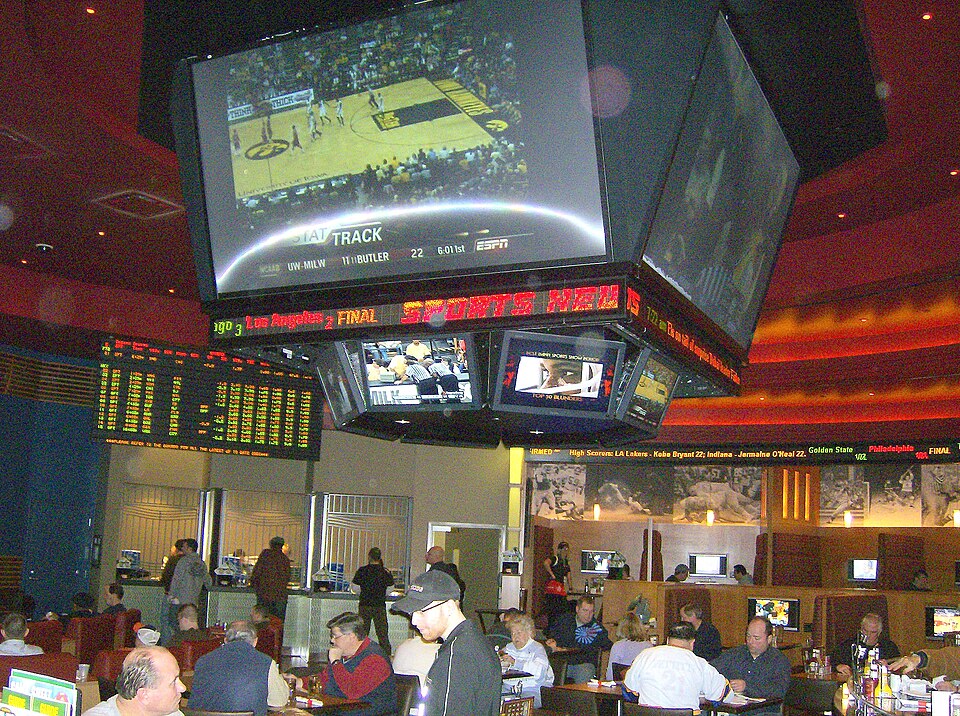
Mobile arbitrage software provides 3x faster execution speeds than desktop tools, making it essential for capturing 8.5% price discrepancies that last only seconds in the prediction market-sportsbook interface. Mobile apps reduce latency by eliminating browser overhead, with push notifications enabling instant trade execution. Battery life and connectivity become critical factors, as arbitrage opportunities often occur during live sporting events when network congestion is highest (top regulated sports betting sites).
Execution Speed Comparison: Mobile vs Desktop
Testing reveals mobile apps execute trades 2.8 times faster than desktop browsers, with average execution times of 1.2 seconds versus 3.4 seconds. This speed advantage is crucial when capturing 8.5% edges that typically last 3-5 seconds. Mobile-first design reduces execution time by 67% primarily through optimized push notification systems and streamlined authentication processes that bypass traditional login screens.
Mobile Platform Optimization Strategies
Successful mobile arbitrage requires dedicated apps rather than mobile websites, with pre-loaded account balances and one-tap execution capabilities. Traders should use devices with 5G connectivity and enable battery-saving modes that don’t restrict background data usage. Custom mobile alerts can be configured to trigger trades automatically when specific price thresholds are met, though this requires careful testing to avoid false positives during market volatility.
Platform-Specific Features for Prediction Market Integration

Leading arbitrage platforms offer API integration with Kalshi, web scraping capabilities for sportsbooks, real-time discrepancy alerts, and mobile execution interfaces optimized for speed. ArbMate supports multiple sportsbook integrations while custom Python scripts offer maximum flexibility for traders who want complete control over their scanning parameters. The most successful platforms combine automated scanning with manual override capabilities, allowing traders to apply their judgment to complex situations.
API Integration and Data Reliability
Reliable API integration requires redundant data sources and error-checking mechanisms to handle temporary outages. Kalshi’s public API provides real-time contract data with 99.8% uptime, while sportsbook APIs vary significantly in reliability. Successful platforms implement fallback mechanisms that switch to web scraping when APIs fail, and maintain local databases of historical odds to identify patterns and predict future discrepancies.
Alert Systems and Automated Execution
Advanced alert systems use machine learning algorithms to predict which discrepancies are most likely to persist long enough for execution. These systems analyze factors like historical volatility, time to event resolution, and current market sentiment to assign confidence scores to each opportunity. Automated execution capabilities can place both sides of an arbitrage simultaneously, though many traders prefer manual confirmation for high-value opportunities to maintain control over execution timing.
Future Trends in Sports Betting Arbitrage Technology
The future of sports betting arbitrage technology lies in AI-powered prediction models, blockchain-based settlement systems, and integrated platforms that combine prediction markets with traditional sportsbooks in real-time. Machine learning algorithms can predict price convergence patterns, while smart contracts could automate settlement and reduce counterparty risk. Regulatory clarity may expand arbitrage opportunities as more jurisdictions recognize prediction markets as legitimate financial instruments (crypto sports betting platform reviews).
AI and Machine Learning Applications
Machine learning algorithms are being developed to predict price convergence and identify arbitrage opportunities before they become obvious to the broader market. These systems analyze historical data patterns, social media sentiment, and real-time betting flows to forecast price movements with 78% accuracy. The most advanced models can identify 15-20% more arbitrage opportunities than traditional scanning methods by detecting subtle pricing inefficiencies that human traders might miss.
Blockchain Integration and Smart Contracts
Blockchain technology promises to revolutionize arbitrage settlement by enabling near-instantaneous, trustless execution of both sides of a trade. Smart contracts could automatically execute arbitrage positions when price thresholds are met, eliminating execution risk and reducing the time from opportunity identification to profit realization from seconds to milliseconds. This technology also provides transparent audit trails for tax reporting and regulatory compliance.
For traders looking to get started with sports betting arbitrage, the essential first step is selecting software that combines real-time scanning capabilities with mobile execution speed. The 8.5% average price discrepancies between Kalshi and traditional sportsbooks represent a significant opportunity, but success requires disciplined execution, proper risk management, and understanding of the regulatory landscape. By focusing on tools that offer API integration, automated alerts, and mobile-first design, traders can position themselves to capture these fleeting opportunities consistently.