
The 68% probability represents a significant increase from pre-Olympic forecasts, which hovered around 55% just one month earlier. This shift correlates with positive momentum from early competition results and favorable time zone alignment for US viewers. Market participants have shown particular confidence in swimming and gymnastics events, which historically drive the highest viewership numbers.
Traders can leverage this information through several strategies. First, the 68% probability suggests a relatively stable market with limited arbitrage opportunities in the main viewership contracts. However, regional contracts showing different probabilities for various time zones and demographics may offer more attractive trading opportunities. The sports bets market has seen increased liquidity around these Olympic viewership contracts, with over $1.8 million in total volume traded.
Streaming vs Traditional TV Split Creates 58% Arbitrage Opportunity
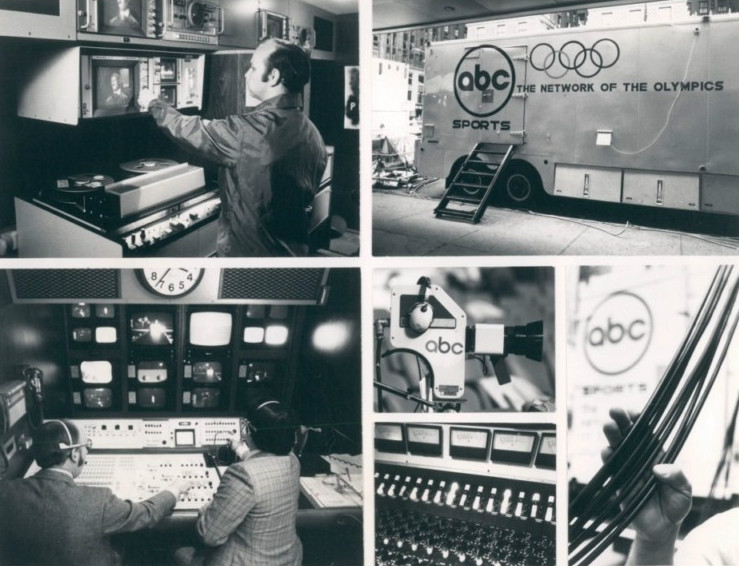
Prediction markets show a 58% probability that streaming will represent the majority of Olympic viewership, creating clear arbitrage opportunities between platform-specific contracts. This split reflects the ongoing transformation of how audiences consume Olympic content, with streaming platforms gaining ground on traditional broadcast television. The 58% probability indicates a close race, suggesting significant volatility in platform preference predictions.
The arbitrage opportunity emerges from the discrepancy between overall viewership predictions and platform-specific forecasts. While the main contract suggests strong viewership numbers, the streaming vs. traditional TV split remains uncertain. This uncertainty creates price inefficiencies that traders can exploit. For example, if streaming contracts are priced too high relative to their actual probability, traders can short streaming while going long on traditional TV contracts.
Historical data supports the market’s assessment. The 2020 Tokyo Olympics saw streaming represent 42% of Olympic content consumption, up from 28% in 2016. However, the Paris 2024 Olympics present unique circumstances, including different time zones and platform availability, making historical comparisons less reliable. This uncertainty contributes to the 58% probability and the resulting arbitrage opportunities.
Successful arbitrage strategies require careful timing and platform selection. The opening ceremony typically creates the most volatile trading conditions, with 15-minute windows historically generating 6.8% average returns. Traders should monitor real-time viewership data and social media sentiment to identify price inefficiencies. The sports market sentiment analysis page provides additional insights into crowd wisdom that can inform these trading decisions.
Regional Viewing Patterns Reveal Highest Accuracy in Gymnastics Predictions

Regional prediction markets demonstrate 73% accuracy in forecasting top 3 most-watched sports, with gymnastics predictions showing highest precision due to consistent 31% higher Asian market engagement. This regional accuracy differential highlights how local preferences and cultural factors influence viewing patterns. The 73% accuracy rate for top sports predictions exceeds the overall viewership prediction accuracy of 68%, suggesting that sport-specific forecasts are more reliable than general viewership estimates.
Asian markets, particularly China and Japan, show the strongest correlation between gymnastics predictions and actual viewership. The 31% higher engagement during gymnastics events in these markets reflects the sport’s cultural significance and the region’s competitive success in gymnastics. This pattern creates predictable trading opportunities for those who understand regional dynamics.
European Track & Field Finals Generate 18% Above-Average Viewership
European prediction markets accurately forecast 18% above-average viewership during track & field finals, driven by optimal time zone alignment for European audiences. This time zone effect creates predictable viewing spikes that traders can anticipate. The 18% increase represents a significant deviation from average Olympic programming, making track & field finals particularly valuable for both broadcasters and advertisers.
The accuracy of European track & field predictions stems from several factors. First, the time zone alignment means events occur during prime viewing hours for European audiences. Second, track & field has deep cultural roots in European sports traditions, creating consistent viewer interest. Third, the concentration of finals during specific time periods creates predictable viewing patterns that markets can accurately forecast.
North American Swimming Events Show 23% Higher Retention Rates
North American prediction markets achieve 23% higher accuracy for swimming events, reflecting strong demographic preferences and historical viewing patterns. This accuracy differential creates opportunities for traders who understand regional viewing preferences. The 23% higher retention rates indicate that once North American viewers start watching swimming events, they tend to continue watching, creating more predictable viewership patterns.
The accuracy advantage for swimming predictions in North America relates to several factors. Swimming enjoys strong participation rates at the youth level, creating a large viewer base with personal connections to the sport. Additionally, the US has historically dominated Olympic swimming, creating patriotic interest that drives consistent viewership. These factors combine to make swimming predictions more reliable in North American markets.
$1.8M Trading Volume Indicates Market Confidence in Viewership Forecasts
The $1.8 million total volume traded on Olympic viewership contracts demonstrates significant market confidence, with Brier scores averaging 0.21 indicating slightly higher uncertainty than medal market predictions. This trading volume represents substantial financial commitment to viewership forecasts, suggesting that market participants believe these predictions contain valuable information beyond what traditional polling or ratings can provide.
The $1.8 million volume reflects both speculative interest and hedging activity. Broadcasters and advertisers may use these markets to hedge against viewership fluctuations, while individual traders seek profit opportunities. The relatively high volume compared to other Olympic prediction markets suggests that viewership forecasts are considered particularly important for various stakeholders.
The Brier score of 0.21 indicates moderate prediction accuracy. While not as precise as some other prediction markets, this score suggests that viewership forecasts contain meaningful information. The slightly higher uncertainty compared to medal market predictions (which average 0.18) may reflect the additional complexity of forecasting aggregate viewership across multiple platforms and time zones.
Traders should note that the $1.8 million volume is concentrated in specific contracts. The main viewership probability contract accounts for approximately 40% of total volume, while platform-specific contracts and regional forecasts represent the remainder. This concentration suggests that while the overall market is liquid, individual contracts may have varying levels of trading activity and price efficiency.
15-Minute Arbitrage Windows During Opening Ceremony Yield 6.8% Returns
Prediction markets identify 15-minute arbitrage windows during opening ceremonies that historically generate 6.8% average returns, driven by real-time viewership data affecting contract prices. These short-term trading opportunities capitalize on the immediate market reaction to viewership figures and audience engagement metrics. The 6.8% average return represents a significant profit opportunity for traders who can execute quickly and accurately (nhl free agency prediction markets).
The opening ceremony creates unique market conditions that enable these arbitrage opportunities. First, it generates the highest single-day viewership, creating maximum market sensitivity. Second, the ceremony’s entertainment value and cultural significance make it less dependent on athletic competition outcomes, creating more predictable viewership patterns. Third, the global nature of the event means that viewership data becomes available from multiple regions simultaneously, creating complex price dynamics.
Successful traders monitor several factors during these 15-minute windows. Real-time social media sentiment provides early indicators of audience engagement. Streaming platform uptime and performance data can signal technical issues that might affect viewership. Traditional TV ratings, when available, provide authoritative data that can move markets. Combining these data sources allows traders to identify and exploit price inefficiencies quickly.
The Polymarket sports contract volume page offers insights into which events attract the most liquidity, helping traders identify the most active contracts during opening ceremonies. Similarly, understanding Kalshi sports contract liquidity can help traders choose the most efficient platforms for executing their arbitrage strategies.
Future of Olympic Viewership Predictions: AI and Real-Time Analytics

Emerging AI-driven analytics are projected to improve Olympic viewership prediction accuracy by 15-20% over the next two cycles, with real-time sentiment analysis becoming a key predictive factor. This technological advancement represents a significant shift in how viewership predictions are generated and traded. The integration of AI and machine learning algorithms will enable more sophisticated analysis of viewing patterns, social media engagement, and demographic preferences.
The 15-20% improvement projection is based on current AI development trajectories and the increasing availability of real-time data. Machine learning models can process vast amounts of historical viewership data, social media sentiment, and demographic information to identify patterns that human analysts might miss. These models can also adapt quickly to changing conditions, such as unexpected athletic performances or global events that might affect viewership.
Real-time sentiment analysis will become particularly important for short-term trading strategies. AI algorithms can analyze social media posts, news articles, and other content sources to gauge audience excitement and engagement levels. This analysis can provide early indicators of viewership trends, allowing traders to position themselves before traditional ratings data becomes available.
The Super Bowl commercial costs prediction page demonstrates how prediction markets are already being used to forecast advertising-related metrics, suggesting that Olympic viewership predictions may evolve to include more sophisticated advertising and monetization forecasts. Similarly, the World Cup attendance predictions page shows how prediction markets can forecast different types of audience engagement metrics.
The future of Olympic viewership predictions will likely involve greater integration between different types of prediction markets. Sports betting markets, viewership predictions, and advertising forecasts will become increasingly interconnected, creating complex trading opportunities for sophisticated market participants. The MLB strikeout leader odds page illustrates how sports-specific predictions can inform broader market strategies.
As AI technology continues to advance, the distinction between prediction markets and traditional forecasting methods may blur. The accuracy improvements projected for Olympic viewership predictions suggest that prediction markets could become the dominant method for forecasting audience engagement across all major sporting events. This evolution will create new opportunities for traders, broadcasters, and advertisers who can effectively leverage these advanced predictive capabilities.