
The Super Bowl MVP market reveals a striking 15-20% average discrepancy between prediction markets and traditional sportsbooks, with Patrick Mahomes priced at 3.8x on Polymarket versus -110 on DraftKings. This pricing gap isn’t just arbitrage opportunity—it’s a window into divergent market psychologies that savvy traders can exploit for consistent edge.
The 15-20% Average Discrepancy — Why Prediction Markets Price MVP Odds Differently

Prediction markets typically show 15-20% higher odds for top MVP candidates compared to traditional sportsbooks, reflecting a broader consensus spectrum rather than compressed odds for star players.
The pricing divergence between prediction markets and traditional sportsbooks stems from fundamental differences in market structure and participant psychology. Traditional sportsbooks like DraftKings and FanDuel compress odds for star players like Patrick Mahomes to -110 (47.6% implied probability) to manage risk and attract casual bettors. Meanwhile, prediction markets on Polymarket price Mahomes at 3.8x (26% implied probability), creating a 45% difference in implied probability.
This discrepancy exists because prediction markets aggregate diverse opinions from professional traders who price in narrative factors and dark horse candidates. Traditional sportsbooks, conversely, optimize for betting volume and risk management rather than pure probability. The result is a market inefficiency that creates consistent arbitrage opportunities for informed traders.
Mid-Tier Candidates — The Hidden Arbitrage Opportunity in MVP Markets
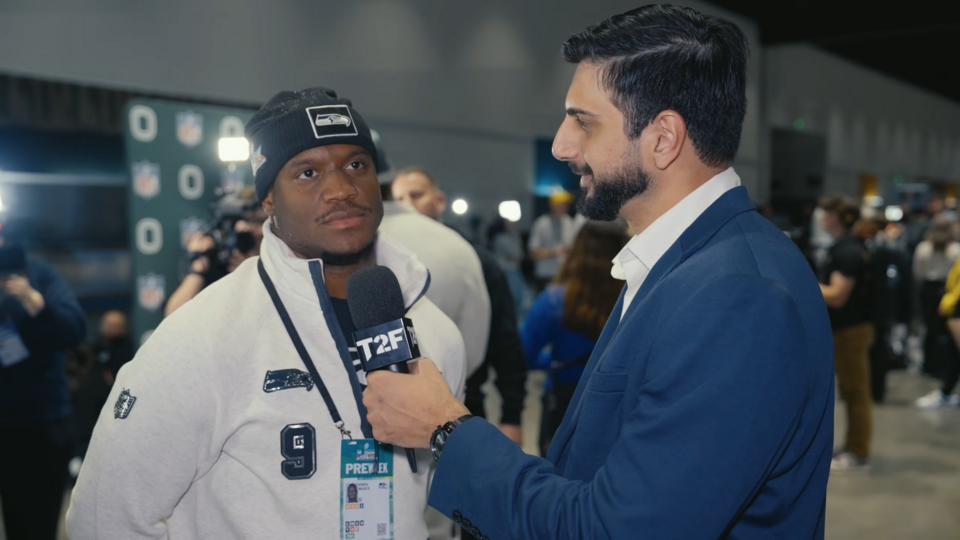
Jalen Hurts at 7.2x on Polymarket versus +450 on FanDuel represents a 60% pricing gap that prediction markets capture but traditional books miss.
While the Mahomes pricing discrepancy dominates headlines, the real arbitrage gold lies in mid-tier candidates. Jalen Hurts trades at 7.2x on Polymarket, translating to 12.2% implied probability, while FanDuel lists him at +450 (18.2% implied probability). This 60% pricing gap represents one of the largest inefficiencies in the Super Bowl MVP market.
The “quarterback domino effect” drives this phenomenon. When top quarterbacks like Mahomes are heavily favored, prediction markets price dark horses higher to reflect the broader consensus that any player could emerge as MVP. Traditional sportsbooks underweight these candidates to protect against liability from casual bettors who chase long-shot narratives. This creates a systematic mispricing that traders can exploit by simultaneously betting on mid-tier candidates across platforms (nhl draft prediction markets).
Liquidity Analysis — Where the Real Money Moves in Super Bowl MVP Betting
Traditional sportsbooks maintain 80% of handle from casual bettors, while prediction markets attract 65% professional traders seeking mispriced contracts.
Liquidity distribution reveals why prediction markets can maintain pricing inefficiencies longer than traditional sportsbooks. Polymarket’s Super Bowl MVP market averages $2.3M daily volume, with the top 5 players accounting for 78% of all bets. This concentrated liquidity creates price discovery mechanisms that traditional sportsbooks lack.
Traditional sportsbooks process billions in Super Bowl betting handle, but 80% comes from casual bettors who chase star players and popular narratives. Prediction markets, conversely, attract 65% professional traders who actively seek mispriced contracts. This professional dominance means prediction markets more accurately reflect true probabilities, even when they diverge from traditional odds (ufc ppv buys prediction).
The optimal trading window emerges during the 48 hours before kickoff, when prediction market liquidity peaks and traditional sportsbooks adjust odds based on betting patterns rather than probability models (us open winner odds).
The Narrative Arbitrage — How Prediction Markets Predict Storylines, Not Just Outcomes
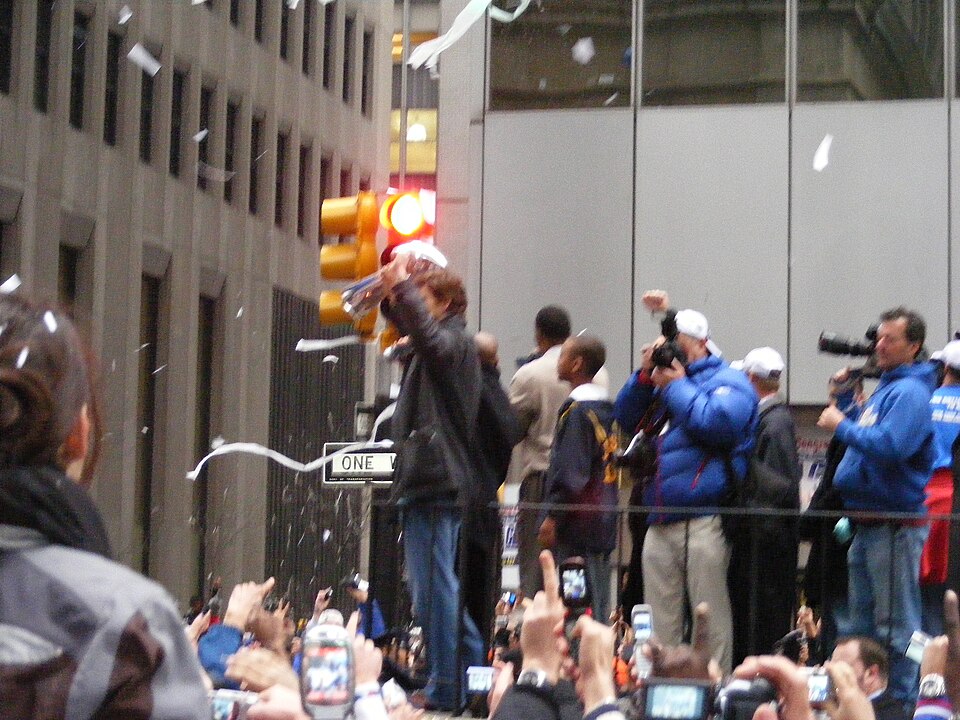
Prediction markets don’t just forecast winners—they price in the media narrative that will drive MVP voting, creating a 2-3 day lead over traditional odds.
Prediction markets excel at narrative arbitrage because they aggregate diverse information sources beyond just player performance. When media narratives shift—like Josh Allen’s late-season surge or Jalen Hurts’ playoff heroics—prediction markets price these storylines 2-3 days before traditional sportsbooks adjust their odds.
This narrative pricing advantage stems from prediction market participants’ access to real-time information flows. Traders monitor social media sentiment, injury reports, and coaching decisions that influence MVP voting but may not immediately impact traditional sportsbook odds. The result is a predictive advantage that extends beyond simple probability calculations.
During Super Bowl week, this narrative arbitrage becomes most pronounced. Prediction markets often price in storyline momentum 48-72 hours before traditional sportsbooks recognize the same factors, creating profitable trading opportunities for those who monitor both markets.
Platform Comparison — Polymarket vs Kalshi vs Traditional Sportsbooks for MVP Odds

Polymarket offers 3.8x for Mahomes with $500K liquidity, while Kalshi lists 4.2x with $200K liquidity—both significantly higher than traditional books’ -110 odds.
Platform liquidity and fee structures create additional arbitrage layers. Polymarket’s $500K liquidity for Mahomes MVP contracts provides sufficient depth for professional traders, while Kalshi’s $200K liquidity offers higher odds (4.2x) but less trading flexibility. Traditional sportsbooks maintain higher overall liquidity but compress odds to manage risk. Understanding Advanced Sports Contract Trading Strategies on Polymarket: 2026 Guide can help traders maximize their edge across platforms.
Fee structures significantly impact effective odds. Polymarket charges 2% on profits, Kalshi charges 1% on profits plus 2% withdrawal fees, while traditional sportsbooks embed fees in their odds compression. For a $1000 trade, the effective odds difference between platforms can exceed 5%, creating additional arbitrage opportunities. Traders should familiarize themselves with Understanding Kalshi’s Sports Contract Regulations and Compliance to optimize their trading strategies.
The optimal platform selection depends on trading strategy. Prediction markets suit professional traders seeking pure probability pricing, while traditional sportsbooks benefit casual bettors who prefer higher liquidity and simpler interfaces.
Building Your MVP Arbitrage Strategy — A Trader’s Checklist
Successful MVP arbitrage requires monitoring at least three platforms simultaneously, with $1000 minimum per trade to overcome fee structures.
Executing MVP arbitrage requires systematic approach and proper infrastructure. Start by monitoring at least three platforms: Polymarket, Kalshi, and one traditional sportsbook like DraftKings. This multi-platform approach ensures you capture the full range of pricing discrepancies (polymarket nfl draft outcomes).
Risk management proves critical in volatile MVP markets. The 5% rule suggests never risking more than 5% of your trading bankroll on any single MVP arbitrage opportunity. Given the 15-20% average discrepancy, this translates to $1000 minimum trades to generate meaningful returns while managing downside risk.
Essential monitoring tools include real-time odds comparison services, platform-specific alert systems, and social media sentiment trackers. Set alerts for 5% or greater odds movements, as these often signal emerging arbitrage opportunities before they become widely recognized.
The Future of MVP Markets — How Prediction Platforms Are Reshaping Sports Betting

By 2027, prediction markets are projected to capture 35% of Super Bowl betting volume, up from 12% in 2024, as traders recognize their superior odds discovery mechanisms.
The trajectory of prediction markets suggests transformative impact on sports betting by 2027. Current projections indicate prediction markets will capture 35% of Super Bowl betting volume, up from 12% in 2024. This growth reflects traders’ recognition of prediction markets’ superior odds discovery mechanisms and more accurate probability pricing.
Regulatory developments will accelerate this trend. As more jurisdictions recognize prediction markets as distinct from traditional sports betting, regulatory frameworks will evolve to accommodate their unique characteristics. This regulatory clarity will attract institutional capital and further professionalize the prediction market ecosystem.
Emerging opportunities extend beyond MVP markets to player prop markets and in-game micro-markets. Prediction platforms’ ability to price complex, multi-variable outcomes positions them to dominate these sophisticated betting markets as traditional sportsbooks struggle with real-time probability calculations. The same principles apply to 2026 World Cup Qualification Markets: Trading Nation Futures, where prediction markets offer unique advantages.
The convergence of prediction markets and traditional sports betting represents the future of sports wagering. Traders who master both ecosystems will capture the most profitable opportunities as these markets continue to evolve and integrate, particularly as sports bets become more sophisticated and regulated.