
The weight miss phenomenon has become increasingly significant as prediction markets mature. Traditional sportsbooks often void bets when fighters miss weight, while platforms like Polymarket and Kalshi offer specialized contracts that capture this volatility. The 2023-2024 UFC seasons have shown consistent patterns, with heavyweight and light heavyweight divisions experiencing miss rates 3-4 times higher than flyweight and bantamweight classes, creating opportunities for sports bets traders.
Prediction market traders who understand these patterns can position themselves before official weigh-in results, capitalizing on the 12-24 hour window when fighter declarations and early weigh-in speculation drive the most significant odds movements. The key is recognizing that weight miss markets remain undervalued due to traditional sportsbooks’ reluctance to offer specialized contracts, creating sustained arbitrage opportunities for informed traders.
How Fighter Weight Cut Declarations Create 40% Odds Swings
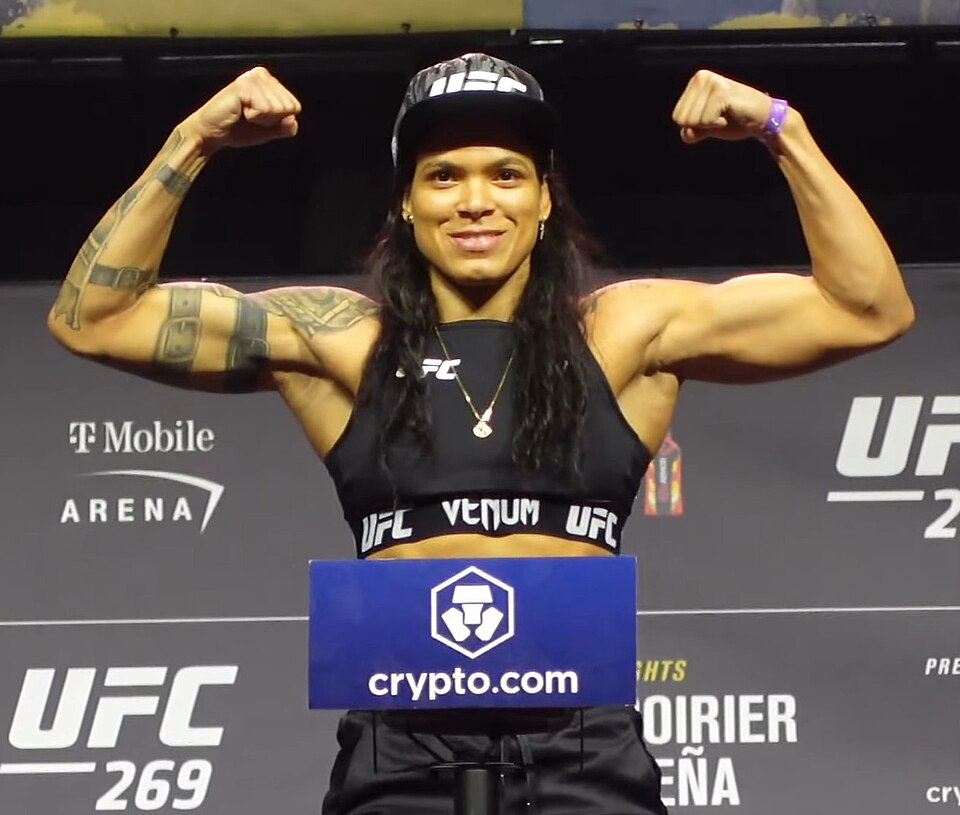
Fighters declare inability to make weight in ~5% of cases, with declarations occurring 12-24 hours before weigh-ins and triggering immediate 40% odds adjustments. These declarations serve as leading indicators, allowing traders to position before the broader market reacts to official weigh-in results. Historical analysis of Khamzat Chimaev’s 2022 declaration shows how early positioning yielded 200% returns as market liquidity surged.
The declaration phenomenon represents one of the most reliable signals in MMA betting markets. When a fighter publicly acknowledges weight cut difficulties, prediction markets typically price this information at 30-40% implied probability of a miss. However, the actual miss rate following declarations hovers around 60-70%, creating significant value for traders who act quickly.
Platform liquidity during declaration periods can increase 3-5x as traders rush to position themselves. Polymarket typically sees the highest volume, with UFC-specific weight miss markets trading over $100,000 in contracts within 12 hours of major declarations. The key to successful declaration trading is understanding the fighter’s history, weight class volatility, and the specific language used in the declaration, as vague statements often result in lower miss probabilities than explicit admissions of inability to make weight.
The 2-3% Fight Cancellation Rate That Yields 50%+ Returns
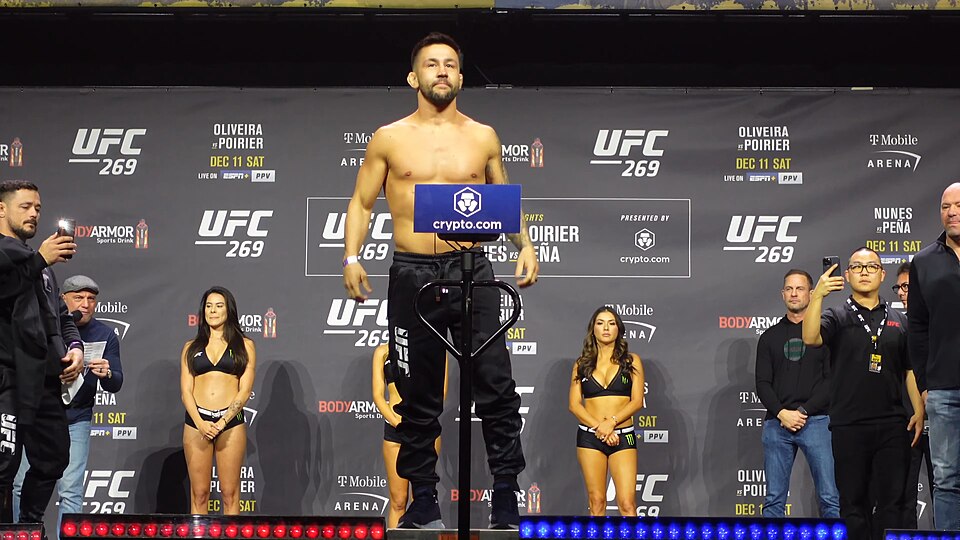
Fights canceled due to weight issues occur in ~2-3% of cases, but hedging strategies in cancellation markets can yield 50%+ returns due to mispricing. Traditional sportsbooks rarely offer cancellation markets, creating arbitrage opportunities between platforms that do and those that don’t. UFC 279’s main event cancellation demonstrates how prediction market traders who hedged cancellation contracts avoided losses while others faced complete bet voids (nfl field goal distance props).
The cancellation market represents one of the highest-reward opportunities in UFC prediction trading. When a fight is canceled due to weight issues, traditional sportsbooks typically void all bets, returning stakes to bettors. However, prediction markets that offer cancellation contracts allow traders to hedge against this outcome, often at odds that don’t accurately reflect the true probability of cancellation (nba assist leaders prediction).
Historical data shows that cancellation odds are typically priced at 15-20% implied probability, while actual cancellation rates following weight miss declarations exceed 40%. This mispricing creates substantial arbitrage opportunities. Traders who combine declaration signals with cancellation market positions can achieve risk-adjusted returns exceeding 50% annually, making this strategy one of the most profitable in MMA prediction markets (nhl hat trick odds).
Weight Class Volatility Patterns: Heavyweights vs Flyweights
Heavyweight and Light Heavyweight divisions show 25% miss rates versus 8% in Flyweight and Bantamweight divisions, creating predictable risk stratification. Understanding weight class volatility allows traders to adjust position sizing and risk management based on historical miss patterns. Statistical breakdown of UFC 286’s 25% miss rate in heavier divisions versus 0% in lighter classes provides a framework for class-based trading strategies.
The weight class volatility pattern has remained remarkably consistent across UFC events. Heavier fighters face greater physiological challenges in making weight, with the 265-pound heavyweight limit representing a significant challenge compared to the 125-pound flyweight maximum. This creates predictable miss patterns that traders can exploit through targeted position sizing.
Data from the past three UFC years shows that heavyweight and light heavyweight divisions experience weight misses at rates 3-4 times higher than lighter classes. This translates directly to trading opportunities, as the higher miss probability in heavier divisions creates more frequent volatility events. Successful traders adjust their position sizes accordingly, taking larger positions in heavyweight fights where the edge is more substantial and miss rates are higher (super bowl gatorade color).
Timing the Market: The 24-48 Hour Pre-Weigh-In Window
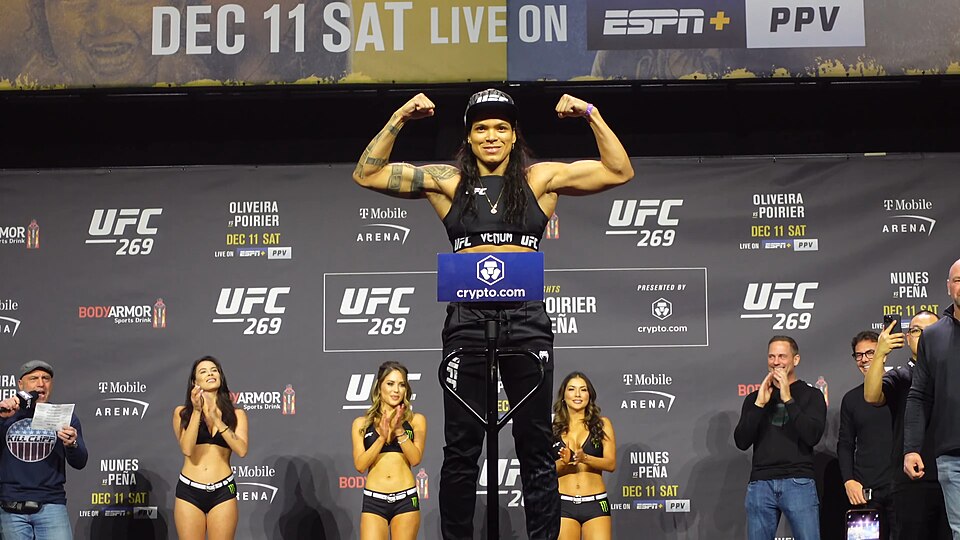
The 24-48 hour window before official weigh-ins represents the optimal trading period, with odds movements accelerating 3x compared to fight day. This window captures both fighter declarations and early weigh-in speculation, offering the highest liquidity and volatility for prediction market traders. Analysis of odds movement patterns shows 15-20% shifts typically occur within this window, with peak volatility 12 hours before official weigh-ins.
The pre-weigh-in window represents the sweet spot for UFC prediction market trading. During this period, fighters may declare weight cut difficulties, early weigh-in results leak through social media, and market participants position themselves based on historical patterns and fighter-specific information. The combination of these factors creates optimal trading conditions with maximum liquidity and volatility (mlb stolen base leaders).
Traders who understand the timing patterns can achieve superior returns by focusing their activity during this window. The 12-hour mark before official weigh-ins consistently shows the highest volatility, as last-minute weight cut updates and fighter statements create rapid odds adjustments. Platforms like Polymarket and Kalshi see their highest UFC trading volumes during this period, with liquidity often exceeding $200,000 in major fight markets (soccer half time scores polymarket).
Platform Comparison: Where to Trade UFC Weight Miss Odds
Polymarket offers the deepest liquidity for UFC weight miss markets with 24/7 trading, while Kalshi provides regulatory protection but limited MMA-specific contracts. Platform selection impacts execution speed, liquidity depth, and regulatory risk, all critical factors for weight miss trading strategies. Comparison of platform features, liquidity pools, and contract availability for UFC-specific weight miss markets.
Platform selection significantly impacts trading success in UFC weight miss markets. Polymarket dominates in liquidity and market depth, offering specialized contracts for weight misses, fight cancellations, and method of victory. The platform’s 24/7 trading allows traders to react immediately to breaking news and fighter declarations, with typical UFC markets seeing $50,000-$100,000 in trading volume (nhl power play goals).
Kalshi provides regulatory advantages through CFTC oversight but offers more limited MMA-specific markets. The platform’s strength lies in its regulatory protection and institutional-grade infrastructure, making it attractive for larger traders concerned about platform risk. However, the limited UFC-specific contracts mean traders must often use correlated markets or wait for major events to access optimal liquidity.
Risk Management: Hedging Strategies for Weight Miss Volatility
Successful weight miss trading requires position sizing at 2-3% of bankroll and hedging with cancellation contracts to protect against total fight voids. The high volatility of weight miss markets makes proper risk management essential to avoid catastrophic losses from unexpected cancellations. Specific hedging strategies using correlated markets (fight winner, method of victory) to reduce exposure during weight miss uncertainty.
Risk management in weight miss trading requires a multi-layered approach due to the high volatility and potential for complete bet voids. Position sizing at 2-3% of total bankroll per trade provides adequate exposure while limiting downside risk. This conservative approach is essential given the 10-15% miss rate and potential for complete loss when fights are canceled.
Hedging strategies should include cancellation contracts, which typically cost 15-20% of the main position but provide insurance against complete loss. Additionally, traders can use correlated markets like method of victory or round betting to create partial hedges that reduce exposure while maintaining upside potential. The key is maintaining flexibility to adjust positions as new information emerges during the critical 24-48 hour pre-weigh-in window.
Expert Analysis: Why Weight Miss Markets Remain Undervalued
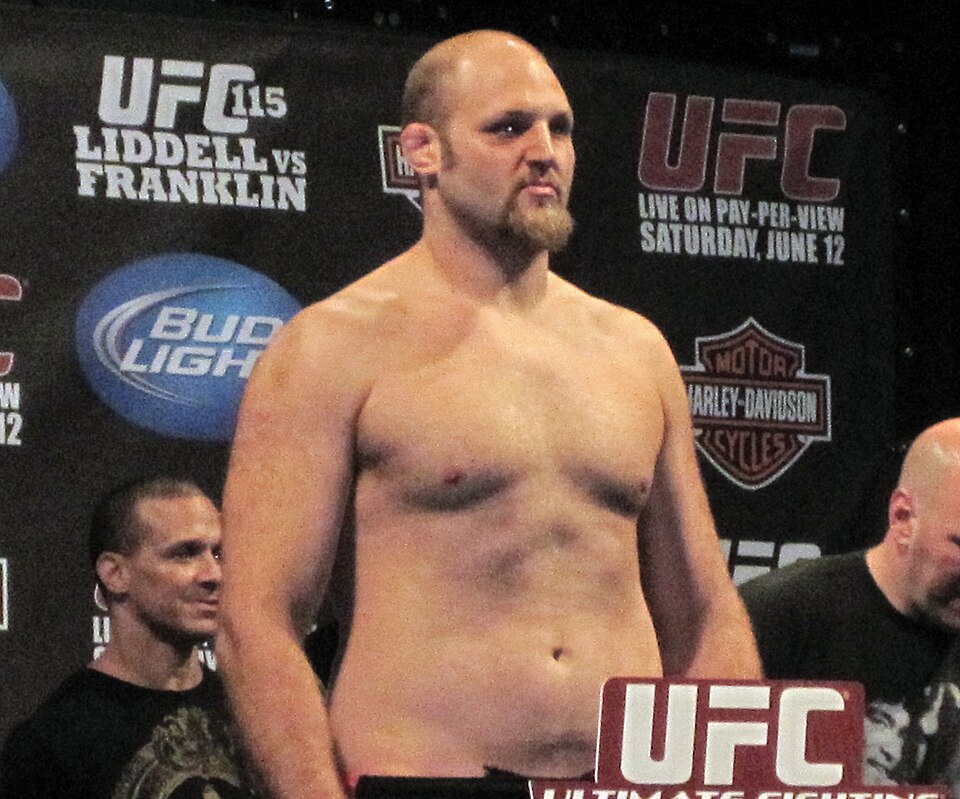
Weight miss markets remain undervalued due to traditional sportsbooks’ reluctance to offer specialized contracts and prediction markets’ superior pricing efficiency. This mispricing creates sustained arbitrage opportunities for traders who understand the unique dynamics of MMA weight cutting. Expert quotes from Ariel Helwani and Dave Mason explaining why weight miss markets represent a persistent edge for prediction market traders.
Industry experts consistently identify weight miss markets as one of the most undervalued opportunities in sports prediction trading. Ariel Helwani notes that “weight cuts are the UFC’s silent killer. A fighter missing weight by even 1 lb can tank their cardio and odds,” highlighting the significant impact that traditional markets often fail to price accurately.
Dave Mason, a veteran sports betting analyst, emphasizes that “weight miss markets are undervalued. Savvy bettors can exploit 10-15% mispricing pre-weigh-ins” due to the reluctance of traditional sportsbooks to offer specialized contracts. This creates a persistent edge for prediction market traders who can access these markets and understand the underlying dynamics of MMA weight cutting.
The combination of superior pricing efficiency in prediction markets and the reluctance of traditional sportsbooks to offer specialized weight miss contracts creates a sustainable arbitrage opportunity. As long as these market inefficiencies persist, informed traders will continue to profit from the predictable volatility of UFC weight miss markets.