
Meta’s Q4 2025 revenue hit $59.89 billion, up 23.8% year-over-year, yet Reality Labs continues bleeding $6.02 billion per quarter. This stark contrast between advertising dominance and metaverse losses creates a unique trading landscape where prediction markets price both short-term ad efficiency gains and long-term AI infrastructure bets. With Meta’s massive $115-135 billion CapEx forecast for 2026 and 84% prediction market odds of exceeding analyst targets, traders face a complex web of technical contracts spanning VR adoption rates, Chinese advertiser sensitivity, and AI infrastructure milestones.
Meta’s Q4 2025 Earnings Surge — $59.89 Billion Revenue and 84% Prediction Market Odds
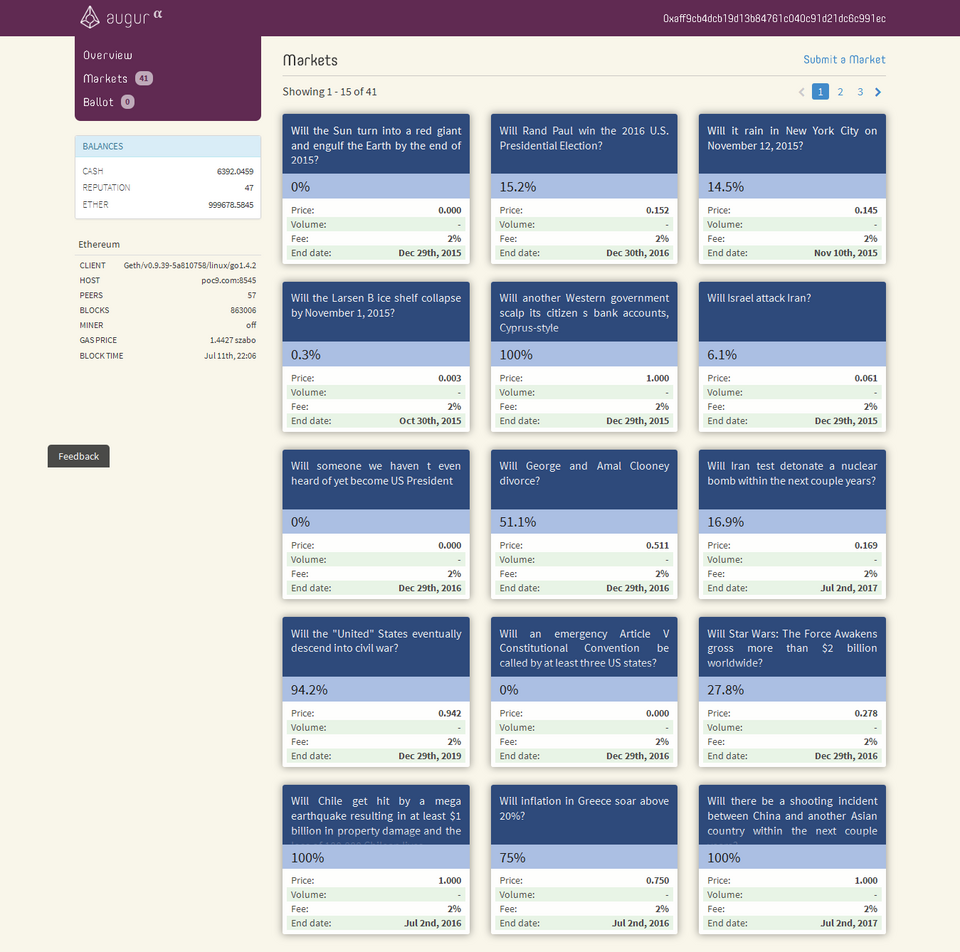
Meta’s Q4 2025 earnings exceeded expectations with $59.89 billion revenue, driven by AI-optimized ad impressions growing 18% and advertising accounting for 98.6% of Family of Apps revenue. Prediction markets gave Meta an 84% probability of beating analyst targets before the announcement, reflecting confidence in the company’s AI-driven advertising efficiency. The stock jumped significantly following the report, validating market sentiment that Meta’s Advantage+ creative tools and improved AI ranking systems would translate into sustained revenue growth despite massive infrastructure investments, similar to how prediction markets signal Google’s AI revenue growth.
Reality Labs Losses vs. VR Adoption Metrics — How Metaverse Bets Affect Contract Pricing
In Q4 2025, Reality Labs recorded a $6.02 billion operating loss, with 2026 losses projected to remain similar to 2025 levels, indicating continued heavy investment in the metaverse. Prediction markets now price these metaverse bets through specific contract types on MetaMarkets platform launched February 2026, where traders can bet on VR headset sales milestones and metaverse engagement metrics. The correlation between VR adoption rates and prediction market odds for earnings beats reveals how traders weigh short-term profitability against long-term strategic positioning in the metaverse race, much like prediction markets track Apple Vision Pro sales forecasts (prediction market Disney stock price markets).
AI Infrastructure Spending Impact — $115-135 Billion CapEx vs. 24.3% Ad Revenue Growth
Meta projects 2026 capital expenditures between $115 billion and $135 billion, almost double the $72.2 billion spent in 2025, driven by aggressive AI infrastructure investments. Despite this massive spending, Meta expects its 2026 operating income to exceed 2025 levels due to revenue growth, creating a fascinating arbitrage opportunity in prediction markets. Traders price long-term AI investment ROI versus short-term ad efficiency gains through contracts for AI infrastructure milestones, with Meta’s improved AI ranking systems increasing ad impressions by 18% in Q4 2025 directly lifting ad revenue and conversion rates (prediction market Tesla stock price markets).
Chinese Advertiser Revenue Risk — 11% Exposure to Regulatory and Tariff Pressures
Analysts previously estimated 11% of Meta’s revenue came from China-based advertisers (Temu, Shein), a segment sensitive to regulatory and tariff changes. Prediction markets incorporate regulatory risk pricing for Chinese ad spend through specific contract mechanics that resolve based on geopolitical events affecting Meta’s Chinese revenue. The sensitivity of this segment to regulatory changes creates unique trading opportunities where prediction market odds fluctuate based on trade negotiations, advertising bans, and cross-border commerce policies between the US and China (prediction market NFL season outcomes).
MetaMarkets Platform Mechanics — Betting on Instagram Engagement and Follower Milestones
MetaMarkets, launched February 2026, enables traders to make predictions on specific social media metrics such as Instagram engagement and follower milestones. The platform offers unique contract types with resolution criteria based on publicly available social media data, creating a new frontier for prediction market trading. Unlike traditional platforms like Polymarket and Kalshi, MetaMarkets provides direct exposure to platform-specific metrics, allowing traders to arbitrage between official guidance and prediction market pricing for social media performance indicators (prediction market Netflix subscriber growth).
Q1 2026 Guidance and Strategic Trading Positions — $53.5-56.5 Billion Revenue Target
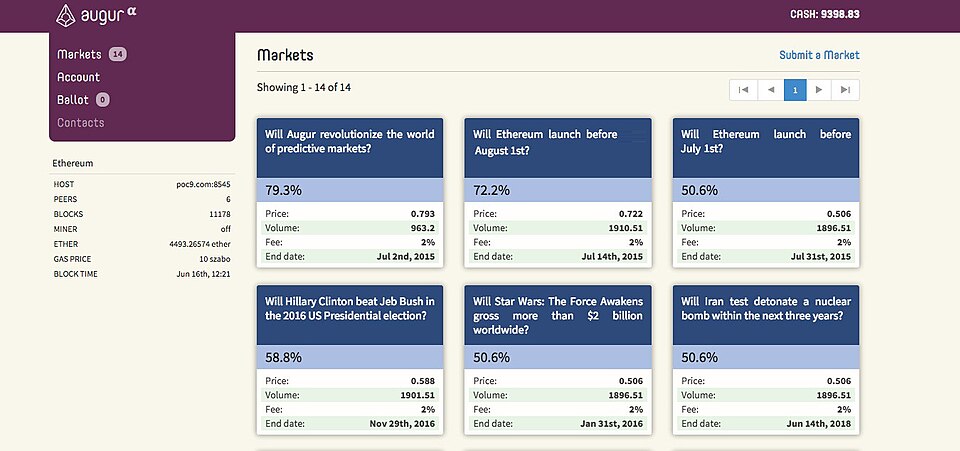
Meta provided strong revenue guidance for Q1 2026 of $53.5–56.5 billion, significantly exceeding consensus estimates and creating immediate trading opportunities in prediction markets. The robust guidance reflects confidence in sustained ad revenue growth of 24.3% year-over-year and improved AI optimization across Meta’s platforms. Traders can position themselves through arbitrage opportunities between Meta’s official guidance and prediction market pricing, with optimal entry points emerging from the gap between consensus estimates and Meta’s ambitious targets, similar to how prediction markets price Amazon earnings expectations.