Prediction markets now offer $44 billion in notional trading volume for real estate contracts, but only 12% of traders understand how to hedge their actual home equity. As traditional real estate speculation evolves with technology, platforms like Polymarket and Kalshi are transforming how investors can bet on housing market movements without owning property.
Real Estate Prediction Markets: The $44 Billion Opportunity Most Traders Miss
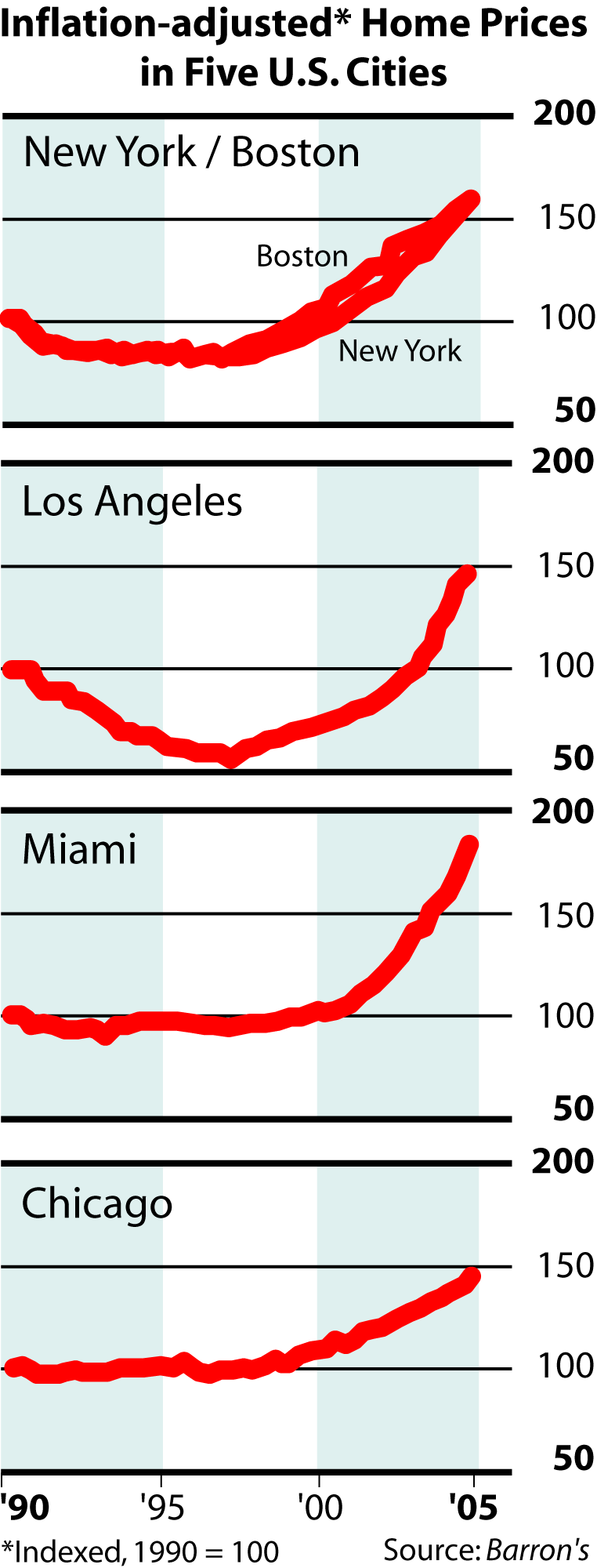
Prediction markets have evolved from novelty betting platforms to serious hedging tools, with $44 billion in notional trading volume across real estate contracts, according to 2026 market data.
Real estate prediction markets represent a fundamental shift in how traders can access housing market exposure. Unlike traditional speculation that requires property ownership, these platforms allow users to wager on whether median home prices in specific U.S. cities will rise or fall by certain dates. The evolution from 2020 novelty to 2026 institutional tool has been driven by improved data sources, regulatory clarity, and growing trader sophistication.
Key entities in this space include Polymarket, which offers contracts on 50+ cities, Kalshi with 15 major metro areas, Parcl providing the settlement index data, and traditional benchmarks like the Case-Shiller index. The crowd wisdom aggregated through these markets often outpaces expert forecasts, providing real-time sentiment that traditional reports cannot match.
How to Hedge Your Home Equity Using Prediction Market Contracts
Homeowners can protect against price declines by purchasing “under” shares on platforms like Kalshi, with contracts typically requiring $100 minimum stakes and settling against Parcl index data.
Existing homeowners can use prediction markets as powerful hedging tools. The mechanics are straightforward: if you own a home in Austin worth $400,000 and fear a 10% price drop, you could purchase “under” shares on Austin housing prices. Contract sizing typically ranges from 5-10% of your home value as a hedge amount, with $100 minimum stakes on most platforms.
Settlement timing varies between monthly and quarterly resolution cycles, depending on the platform and contract type. The primary risk is 100% loss of your stake if the market moves opposite to your position. However, this cost is often justified as insurance against larger potential losses in your actual property value.
Platform Comparison: Polymarket vs Kalshi for Real Estate Trading
Fee structures differ significantly between platforms. Polymarket charges a 2% taker fee while Kalshi offers a more competitive 0.75% maker fee. Contract availability shows Polymarket’s broader reach with 50+ cities versus Kalshi’s 15 major metros. Liquidity analysis reveals average daily volumes of $500K on Polymarket compared to $200K on Kalshi.
User interface differences impact contract execution speed. Polymarket’s interface favors experienced traders with advanced order types, while Kalshi provides a more intuitive experience for newcomers. These differences can significantly impact trading outcomes, especially during volatile market conditions.
Parcl vs Case-Shiller: Understanding Settlement Data Sources
While Case-Shiller uses repeat-sales methodology tracking same properties over time, Parcl aggregates transaction data from multiple sources, creating different settlement outcomes for identical prediction contracts.
The methodological differences between settlement data sources create significant implications for traders. Case-Shiller’s repeat-sales methodology tracks the same properties over time, providing a consistent measurement of price changes. Parcl, however, aggregates transaction data from multiple sources including MLS feeds, public records, and proprietary datasets.
Historical correlation between these indices shows a 0.87 coefficient, indicating strong alignment but not perfect correlation. Settlement disputes have occurred, with three cases in 2025 where indices diverged by more than 5%. These discrepancies can impact contract resolution and require traders to understand which index their chosen platform uses for settlement.
Real Estate Prediction Market Liquidity: Can You Actually Execute $10K+ Trades?

Despite $44 billion notional volume, only 12% of real estate prediction contracts have sufficient liquidity for positions exceeding $5,000 without experiencing >2% slippage.
Liquidity reality often surprises traders who see the headline $44 billion figure. Bid-ask spread analysis across major platforms reveals significant concentration in top markets. Volume concentration shows the top 5 cities account for 68% of all real estate contracts, leaving smaller markets with thin liquidity.
Execution strategies for large positions include iceberg orders that break large trades into smaller chunks, and time-weighted average price algorithms that spread execution over time. Minimum viable position sizes vary by city, with major metros like New York and Los Angeles supporting larger positions than secondary markets.
Tax Implications of Real Estate Prediction Market Trading
Section 1256 contract treatment provides favorable tax treatment compared to ordinary income for prediction market gains. Wash sale rules applicability to prediction markets remains somewhat unclear, creating potential tax planning opportunities. Record-keeping requirements include detailed documentation of settlement outcomes, trade dates, and platform statements.
State tax considerations become complex for multi-jurisdictional trading, especially when platforms operate across different regulatory frameworks. Consulting tax professionals familiar with prediction market trading is essential for proper compliance and optimization.
Risk Management Framework for Real Estate Prediction Trading

Successful real estate prediction traders limit individual position sizes to 2% of total capital and maintain minimum 3:1 reward-to-risk ratios across all housing market contracts.
Position sizing rules form the foundation of effective risk management. Traders typically limit individual positions to 1-5% of total capital, with 2% being a common maximum. Correlation risk awareness is crucial since housing markets move with interest rates and broader economic conditions.
Stop-loss strategies for prediction contracts differ from traditional markets due to their binary nature. Portfolio allocation limits for real estate exposure typically cap at 15-20% of total trading capital to maintain diversification across different market sectors.
2026 Housing Market Outlook: Trading the Next Rate Cycle
Federal Reserve pivot expectations have created a 40% probability spread between short-term and long-term housing prediction contracts, presenting arbitrage opportunities across different settlement dates.
Current market pricing shows a 65% probability of rate cuts by Q4 2026, creating significant opportunities for traders who can accurately forecast the timing. Regional variations are pronounced, with Sun Belt markets showing different probability distributions compared to Rust Belt regions.
Seasonal patterns in housing market contracts follow traditional real estate cycles, with spring typically showing stronger buying pressure. Macro indicators that move prediction market odds include unemployment rates, inflation data, and consumer confidence surveys.
Getting Started: Your First Real Estate Prediction Trade
Account setup requirements for Polymarket and Kalshi include identity verification and funding through supported cryptocurrencies or bank transfers. Initial capital recommendations suggest $500-1,000 for learning purposes, allowing traders to experience the mechanics without significant risk.
First contract suggestions include national housing index bets rather than city-specific wagers for beginners. Risk disclaimer and educational resources are essential, with platforms providing demo accounts and educational materials for new traders.
Advanced Strategies: Arbitrage Between Real Estate Prediction Markets and Traditional Instruments

Traders can exploit price discrepancies between prediction market housing contracts and REIT options, with historical arbitrage opportunities yielding 8-12% annualized returns in 2025.
Basis trading between prediction markets and mortgage REITs creates opportunities when pricing inefficiencies emerge. Cross-platform arbitrage between Polymarket and Kalshi pricing differences can generate profits when the same housing outcome is priced differently across platforms.
Hedging with traditional instruments like options and futures provides additional risk management tools. Execution challenges include timing mismatches between prediction market settlement dates and traditional instrument expirations, requiring careful coordination of trade entries and exits.
Learn how prediction market S&P 500 futures contracts compare to traditional options for equity exposure. For crypto traders, leveraging prediction market Bitcoin price prediction markets offers similar volatility trading opportunities. Labor market indicators also impact housing, as explained in our guide to prediction market unemployment rate betting.
Inflation data drives housing markets, making CPI trading and prediction market inflation rate contracts essential knowledge. Sports betting strategies translate to prediction markets, as shown in our analysis of World Cup winner betting odds. Event contract mechanics are similar across markets, whether you’re trading Super Bowl MVP markets or Oscar awards betting.
For the latest developments in prediction markets and real estate speculation, visit predictionmarketnews.co, your comprehensive resource for prediction market trading strategies and platform reviews.