Polymarket continues to dominate decentralized prediction markets 2026. The platform boasts impressive trading volumes and a return to the U.S. market, but users should be aware of regulatory compliance and trader profitability challenges. With over $3.7 billion in trading volume in January 2026, is it the right platform for you?
- Market Leadership: Polymarket is the world’s largest, most active decentralized prediction market, frequently handling billions in weekly trading volume (e.g., $3.7B+ in Jan 2026).
- Return to U.S.: The platform’s return to the U.S. market in late 2025 brought regulatory oversight and phased waitlists.
- User-Friendly Interface: Polymarket’s user-friendly interface and focus on USDC stablecoin make it appealing to both crypto natives and mainstream users.
Polymarket has cemented its position as the leading decentralized prediction market, consistently attracting significant trading activity. This robust volume indicates strong user engagement and a wide range of available markets.
Following a regulatory pause in 2023, Polymarket’s U.S. comeback involves navigating a new landscape of compliance requirements and a structured onboarding process for American users.
The platform’s intuitive design and reliance on USDC, a stable and widely accepted cryptocurrency, contribute to a seamless trading experience for both experienced crypto traders and newcomers to the space.
Why Do 70% of Polymarket Traders Lose Money? Common Pitfalls & How to Avoid Them
Most Polymarket traders lose money due to a combination of factors, including chasing hype, overleveraging, and failing to understand market mechanics. These pitfalls can be avoided with careful planning and a disciplined approach. So, what are these traps and how can you dodge them?
- Chasing hype: Chasing hype on trending events leads to inflated contract prices and potential losses when the event outcome doesn’t align.
- Overleveraging: Overleveraging positions in thin markets amplifies both potential gains and losses, increasing risk for inexperienced traders.
- Ignoring auditable resolution oracles: Ignoring auditable resolution oracles and data sources can result in misjudging event probabilities and making poor trading decisions.
Jumping on the bandwagon of popular events without conducting thorough research can result in buying contracts at inflated prices, increasing the risk of losses if the outcome doesn’t match the prevailing sentiment.
Using excessive leverage in markets with limited liquidity—without prediction market order book analysis—can magnify both potential profits and losses, making it crucial for novice traders to exercise caution and manage their risk exposure effectively.
Failing to consider the verifiable data sources and resolution rules that govern market outcomes can lead to inaccurate assessments of event probabilities and, consequently, ill-informed trading decisions. You can find more information on auditable resolution rules on prediction market smart contracts.
Accuracy vs. Polls: How Reliable Are Polymarket Odds in 2026?
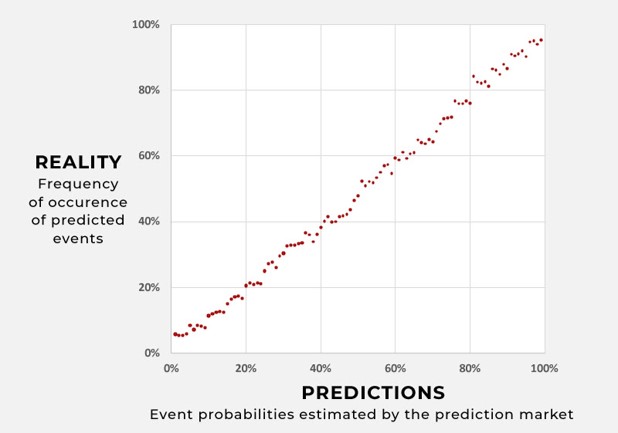
Polymarket odds demonstrate a high degree of accuracy, particularly for short-term predictions, often outperforming traditional polls. This makes Polymarket a valuable tool for gauging real-time sentiment and forecasting event outcomes. But how does Polymarket achieve this accuracy?
- Short-term accuracy: Polymarket odds achieve roughly 94% accuracy for events occurring within four hours of the prediction.
- Real-time sentiment: Real-time trading activity and market sentiment reflected in Polymarket odds provide a dynamic and responsive forecasting tool.
- Wisdom of the crowd: The platform’s "wisdom of the crowd" effect aggregates diverse perspectives, potentially mitigating biases found in traditional polling methods.
The platform’s predictive power is particularly strong for events with a short time horizon, indicating its ability to capture rapidly evolving information and market sentiment.
The constant flow of trading activity on Polymarket generates odds that reflect the collective beliefs and expectations of its users, offering a dynamic and up-to-date view of market sentiment. This real-time data can be invaluable for traders seeking an edge. If you’re interested in learning more, see our article on prediction market accuracy analysis.
Polymarket harnesses the collective intelligence of its user base, potentially reducing the impact of individual biases and generating more accurate predictions than traditional polling methods. For more on this, check out our guide to wisdom of crowds forecasting.
Decentralized Access vs. U.S. Regulations: Navigating Polymarket’s Trade-Offs
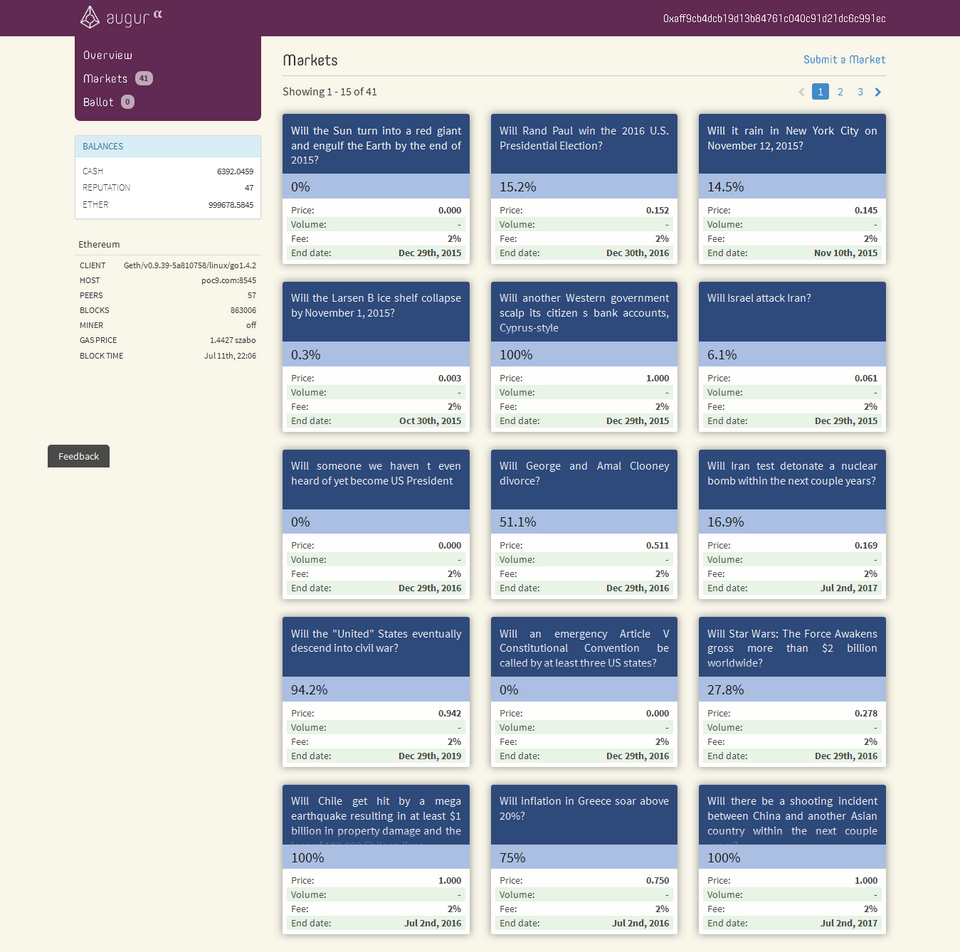
Polymarket balances decentralized access with U.S. regulatory compliance—including insider trading in prediction markets—creating trade-offs for users in terms of KYC requirements and accessibility. This balancing act aims to create a secure and compliant trading environment while preserving user privacy. So, what are the implications for traders?
- Decentralized access: The platform’s partially decentralized nature allows international users to connect via Web3 wallets, bypassing lengthy KYC procedures.
- U.S. regulations: U.S. users face regulatory oversight and a phased waitlist, impacting their access to certain markets and trading features.
- Balancing act: This balance aims to foster a secure and compliant trading environment while preserving some level of user privacy and autonomy.
Polymarket’s embrace of Web3 technology empowers international users to access the platform directly through their crypto wallets, streamlining the onboarding process and minimizing the need for extensive identity verification.
American traders must navigate a landscape of regulatory requirements and a structured waitlist, potentially limiting their access to specific markets and functionalities on the platform.
Polymarket strives to strike a delicate balance between regulatory compliance and user privacy, creating a trading ecosystem that is both secure and accessible. Understanding these trade-offs is essential for users to make informed decisions about their participation on the platform. It’s important to note that prediction markets are subject to manipulation, so ensure you understand the risks.
Polymarket’s Auditable Resolution Rules: Ensuring Fair Outcomes
Polymarket employs detailed, auditable resolution rules and data sources to ensure fair and transparent market outcomes. This commitment to transparency helps prevent manipulation and fosters trust among traders. But how does Polymarket ensure these outcomes are fair?
- Publicly documented rules: Resolution rules are publicly documented and accessible, providing users with clear guidelines on how event outcomes are determined.
- Trusted data sources: The platform relies on trusted and verifiable data sources, such as government agencies and reputable news organizations, to resolve market contracts.
- Prevents manipulation: This commitment to auditable resolution helps prevent manipulation and fosters trust among traders.
Polymarket’s commitment to transparency is evident in its publicly available resolution rules, which provide users with a clear understanding of the criteria used to determine market outcomes. This transparency is vital for building trust and confidence in the platform’s integrity.
Polymarket draws upon reputable and verifiable data sources, including government agencies and established news outlets, to ensure the accuracy and reliability of its market resolutions. This reliance on trusted data helps to minimize the risk of manipulation and maintain the integrity of the platform. You should also understand prediction market manipulation detection techniques.
By adhering to strict resolution rules and utilizing trusted data sources, Polymarket actively mitigates the potential for manipulation and promotes a fair and transparent trading environment, fostering trust among its users.
Polymarket continues to evolve as a leading prediction market platform, blending decentralized access with increasing regulatory oversight. Its commitment to auditable resolution rules and real-time odds makes it a valuable tool for traders seeking to profit from their insights. As the platform adapts to the changing landscape of prediction markets, it will undoubtedly play a significant role in shaping the future of forecasting and decision-making.