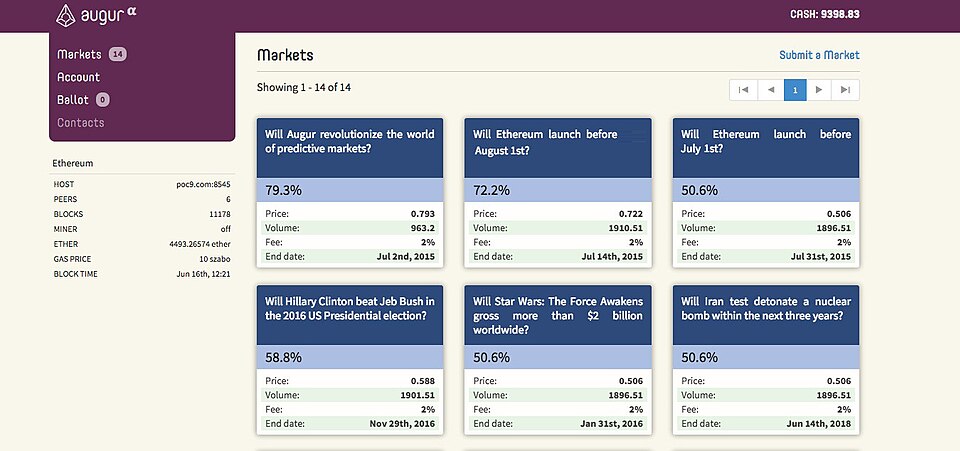
In prediction markets, the contract price acts as a direct representation of the implied probability for an event’s outcome, offering a real-time assessment of its likelihood. According to Kalshi’s official guide (January 2026), a contract trading at $0.65 implies a 65% probability of the event occurring. But how do you translate these probabilities into actionable trading strategies?
How Prediction Market Prices Translate Directly to Implied Probabilities
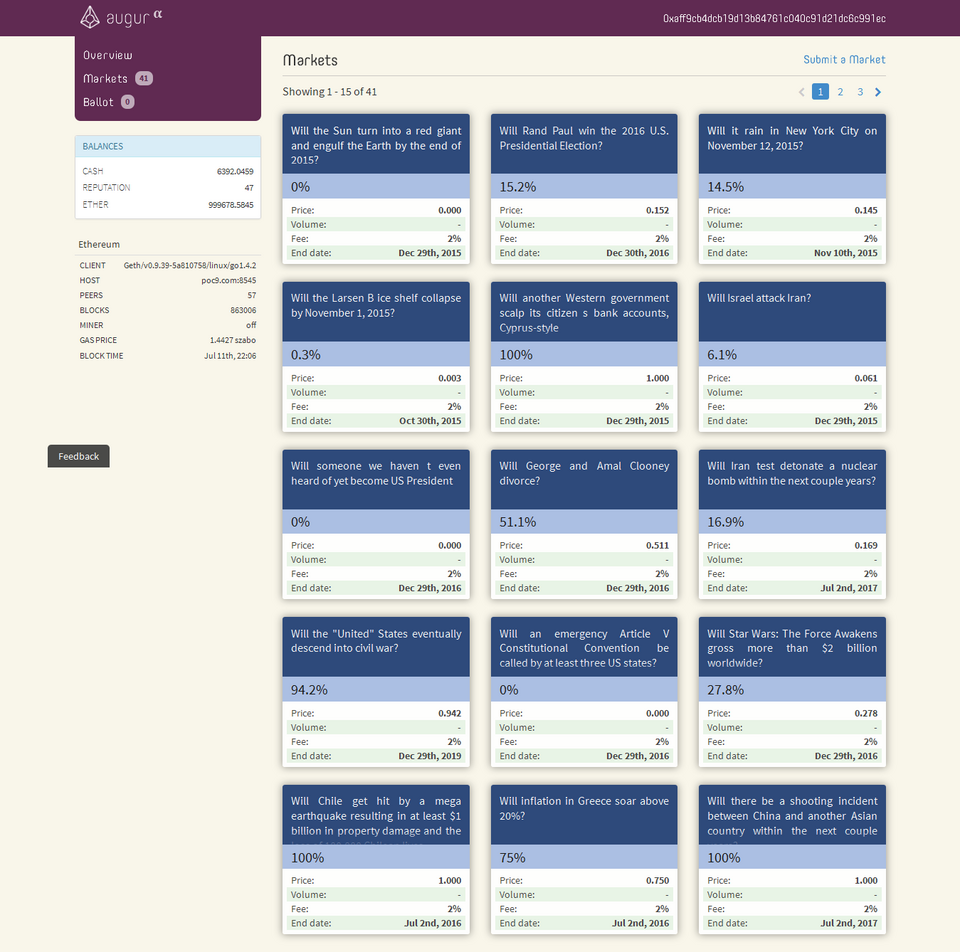
In binary prediction markets like Polymarket and Kalshi, the contract price between $0.01 and $1.00 directly represents the market’s implied probability of the ‘Yes’ outcome occurring. This straightforward mechanic aggregates trader sentiment into a clear, real-time forecast. Why is this so valuable? Because this aggregation of trader sentiment has been shown to outperform traditional polls by 10-25% in Brier score accuracy (Federal Reserve’s 2026 Kalshi analysis). Let’s dive deeper into how to leverage this information.
Converting American Odds to Implied Probabilities on Hybrid Platforms
For American odds, calculate implied probability as 100 / (positive odds + 100) for underdogs and |negative odds| / (|negative odds| + 100) for favorites. This conversion is essential for Kalshi users who are blending prediction markets with traditional sportsbooks. Why is this important? Because it enables cross-platform arbitrage opportunities. Consider these formulas and examples to understand the nuances of American odds conversion for hybrid platforms.
Positive Odds (Underdogs) Formula
To calculate the implied probability of an underdog using American odds, use the following formula:
Prob = 100 / (Odds + 100)
For example, if the American odds are +200, the implied probability is 100 / (200 + 100) = 33.33%. This means the market believes the underdog has a 33.33% chance of winning. Many traders leverage prediction markets alongside sportsbooks, so understanding the nuances of odds is critical to success. Learn more about how order book analysis can further refine your trading strategies.
Negative Odds (Favorites) Formula
Prob = |Odds| / (|Odds| + 100)
For example, if the American odds are -200, the implied probability is 200 / (200 + 100) = 66.67%. This indicates the market sees the favorite as having a 66.67% chance of winning. Keep in mind the different ways you can determine the most accurate information in the market. Be sure to check out our guide on prediction market accuracy analysis to help inform your trading decisions.
Decimal Odds Conversion for Cross-Platform Arbitrage
Decimal odds, which are prevalent in European-integrated prediction markets, convert to implied probability via 1 / decimal odds. This is particularly useful for global traders comparing Polymarket binaries to offshore books. Why should you care? Because discrepancies in odds formats can reveal arbitrage opportunities. For instance, if decimal odds are 1.45, the implied probability is 1 / 1.45 ≈ 68.97%, presenting a potential arbitrage opportunity if the same event is priced differently on Polymarket. For traders involved in decentralized prediction markets powered by prediction market smart contracts, understanding these conversions is invaluable for spotting profitable opportunities across different platforms.
Why Vig Pushes Implied Probabilities Over 100% and How to Normalize
Vig inflates total implied probabilities above 100%; normalize by dividing each outcome’s probability by the sum of all probabilities. This adjustment is crucial because the “vig,” or the bookmaker’s cut, distorts the true probabilities. Why is this so critical? Because without normalization, you can’t accurately assess the true odds and identify profitable betting opportunities. The average vig in 2026 markets is around 2-5% (Sportsbettingdime). For example, if a “Yes” outcome has a 55.56% implied probability and the “No” outcome has a 48.78% implied probability, the total is 104.34%. To get the fair probabilities, you need to normalize these values.
Standard No-Vig Normalization Steps
- Sum implied probabilities (P1 + P2).
- Fair P = Pi / total.
- Vig % = total – 100.
Let’s break down the calculation with an example: Yes 55.56% + No 48.78% = 104.34%. The fair “Yes” probability is 55.56 / 104.34 ≈ 53.25%, and the fair “No” probability is 48.78 / 104.34 ≈ 46.75%. The vig percentage is 104.34 – 100 = 4.34%. Mastering this normalization is vital for identifying true edges, especially with platforms like Novig challenging the status quo with zero-vig offerings. Keep in mind that prediction markets provide a unique way to forecast future events.
Favorite-Longshot Bias Distorts Prediction Market Probabilities
Prediction markets exhibit favorite-longshot bias, with longshots overbet by 20-40%, undervaluing favorites; adjust using power ranking methods. This bias occurs because people are often drawn to the allure of high-payout, low-probability events. Why is this important for traders? Because it creates predictable inefficiencies that can be exploited. Professor Evelyn Hayes from the Behavioral Finance Institute noted in a 2026 study that this crowd behavior amplifies irrationality, particularly on low-probability events. This can be exploited by fading longshots on Polymarket crypto bets.
Spotting Edges: Vig-Adjusted Market Probs vs. Polls and Economic Data
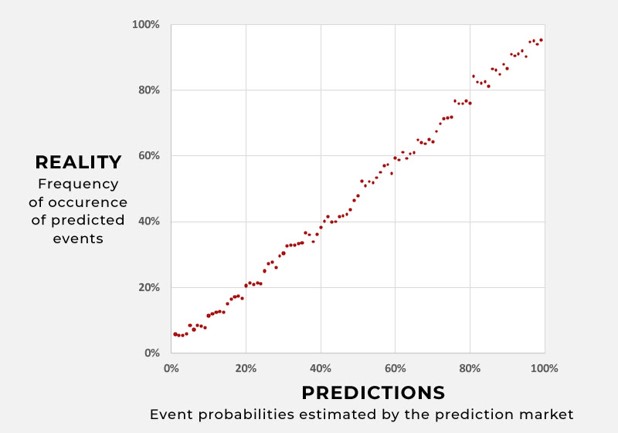
Vig-adjusted implied probabilities from Kalshi outperformed polls by 15% Brier score in 2026 economic forecasts, signaling arbitrage when diverging >5% from Bloomberg consensus. To capitalize on this, synthesize information from various sources. Why is this a profitable strategy? Because it allows you to identify discrepancies between market sentiment and real-world data, creating arbitrage opportunities. Compare normalized market probabilities to real-world data, such as Federal Reserve rates. For example, if the market gives a 65% probability of a rate cut, while polls suggest only 55%, then buying the “Yes” contract becomes a strategic move amid insider trading in prediction markets. Be sure to stay up to date on prediction market manipulation detection to make sure you are making informed and strategic decisions.
Checklist: Calculate and Trade Implied Probability Edges Today
Ready to put this knowledge into practice? Follow this checklist to calculate and trade implied probability edges:
- Pick a Polymarket/Kalshi contract (e.g., Q1 2026 Fed cut).
- Compute the raw probability, de-vig it, and adjust for bias.
- Compare your result to a Reuters poll. Look for an edge if there’s a delta greater than 3%.
- Enter your position and monitor the liquidity (over $2B daily volume).
By following these steps, you can systematically identify and exploit edges in prediction markets. Keep in mind that wisdom of crowds forecasting can be a useful tool when approaching the prediction markets.
Disclaimer: Not financial advice; trade at your own risk.